Mediterranean Fish Dish for Christmas Eve

‘Twas the night before Christmas and everyone was wondering what to eat. But fear not, I’m putting the ‘sea” in Christmas this year! I’ve got you covered with the perfect fish dish for a Christmas Eve feast.

You don’t even need to make a fish stock for this wonderful dish — the aromatics and anchovies add a great depth of flavour. Even if you don’t like anchovies, use them. The dish doesn’t taste like anchovies at all!

All the experts agree, the Mediterranean diet is the best one to adopt for ongoing health. Plus it’s so quick and easy to make so there is more time for you to relax, kick off and enjoy the festivities!

Mediterranean Fish Dish for Christmas Eve

Serves 4

  • 4 large garlic cloves, peeled

  • 4 anchovy fillets

  • 2 tablespoons extra virgin olive oil
  • 1 large brown onion, chopped

  • 1 celery stalk, chopped

  • 1 fennel bulb, with fronds; dice the bulb and reserve the fronds for serving
  • 
800 g (1 lb 12 oz) tinned chopped tomatoes

  • 2 tablespoons tomato paste (concentrated purée)
  • 1/2 teaspoon sweet paprika

  • pinch of saffron threads (optional)
  • 500 ml (17 fl oz/2 cups) filtered water

  • 4 thyme sprigs, tied in a bundle with kitchen string

  • 700 g (1 lb 9 oz) firm white fish, such as ling or cod, pin-boned, skin removed, and cut into large pieces
  • juice of 1 lemon

Method

Using a mortar and pestle, mash the garlic cloves and anchovies into a paste. Set aside.

Heat the olive oil in a large saucepan over medium heat. Sauté the onion, celery and fennel for 3–4 minutes, or until softened.

Add the mashed garlic and anchovies. Cook, stirring, for about 1 minute,
or until the mixture is fragrant, then add the tomatoes, tomato paste, paprika and saffron, if using.

Cook, stirring often, for 10–15 minutes, or until the tomatoes have cooked down a bit and the mixture is aromatic.

Stir in the water and thyme sprigs and bring to a simmer. Reduce the heat to low, cover partially and simmer for 30 minutes.

Add the fish, then cover and simmer for about 4 minutes, or until the fish is just cooked through.

Remove from the heat and remove the thyme sprigs. Add the lemon juice and season to taste with sea salt and freshly ground black pepper.

Serve immediately, scattered with the reserved fennel fronds.

Have a wonderful Christmas Eve,

Lee xo

Hale Pule Ayurvedic Cooking Course

If you’re interested in learning how to incorporate Ayurveda, particularly, Ayurvedic cooking, into your everyday, there's a course in the Bay Of Islands in the North Island of New Zealand that helps you do just that.

Hale Pule Ayurveda & Yoga offers a 100-hour cooking program that teaches you how to incorporate the principles of Ayurveda into your life and the lives of others around you. If you're not sure what I mean by Ayurveda and would like a quick Ayurveda 101, you can head to my blog here, or, if you want to read about the program in general, go here to discover more about it. Once you’ve had a read, come back here.

Are you all caught up?

Okay, great.

As soon as I heard about Hale Pule, I booked my flights before my dog, Oscar, could even bark. I had previously studied Ayurvedic nutrition in Kerala, during my safari of India, so it wasn't a totally new "concept" to me; plus I've been "gradually" incorporating the main principles of this five-thousand year old medical system into my life over the past five years with positive results.

So, anyway, the next thing I knew, after a swift three-hour flight across the Tasman, I had arrived in the land of the Long White Cloud. I was picked up and greeted warmly by fellow retreat-goers at the airport and we all excitedly clambered on a bus heading to the unique and picture-postcard location. We drove for about an hour through the winding green hills of New Zealand from our original destination of Keri Keri, or, as the New Zealanders say, Kirikiri!

It's safe to say that we were all full of trepidation and expectation for what was to come.

As we chatted on the bus and got to know one another, most of us were concerned and little a anxious about the sleeping arrangements. Was it going to be dorm-style, or would we have our own rooms and bathrooms?

It was then that the driver piped in and mentioned that the last group who had been on the retreat the week before had remarked on a pair of snorers in the room. It was then that a hush descended upon the van, so much so that you could almost here a pen drop (NZ joke ;)) and then after a few seconds, someone had the magnificent idea of doing a quick ask around to see if anyone would admit to said 'known nocturnal noises'. As you do... 

Once we arrived we were shown to our "room" and introduced to the spaces and the grounds. Kelsey hailing from Canada, was our lovely program manager and she quickly allocated our bunk beds in the dorm room – all the women were together and the boys were in another part of the farm. This could have posed a problem for the one married couple who had signed up, but they didn't seem to be concerned about it and were just going with the flow. They had just been to India so were very relaxed about it all. 

Looking around the minimalist environment, it did feel a bit like going back to school camp! It was the first time many of us had slept in a single bunk beds since we were single digits!. It was spartan and confined and definitely an arrangement that would put hairs on your chest. The first thing to do was to leave any modicum of privacy at the sliding door, and get used to sharing!

In the room there was one bathroom to eight people, and another bathroom up the hallway which was closed out for periods of time and also being used by the staff.  Luckily everyone seemed ok with it or if they weren't it wasn't evident.  It was then that I thought, I need to chill out a bit! Or maybe a lot!

They are in a transitional time as they've recently relocated from Hawaii to New Zealand and so are in the process of acquiring a new property to set up their educational and healing centre, hence the temporary accommodation being a bit more rustic than they will offer in the future.

The course was made up of all ages and a cross section of people who had travelled from all over the world to be there.  There is a strict interview process to do it and you need references to be accepted. By the end of the course we were so used to sharing the space with one another it was a transformative experience and we all got along really well. I know I have made some lovely lifelong friends.

The other areas of the farmhouse we studied in overlooked stunning green hills and views, and the grounds were home to pigs, horses, dogs and a even a natural swimming hole. The grounds were very rustic and authentic, allowing for fantastic ramblings in and around the property. We also had the opportunity to work on the farm and the vegetable gardens.
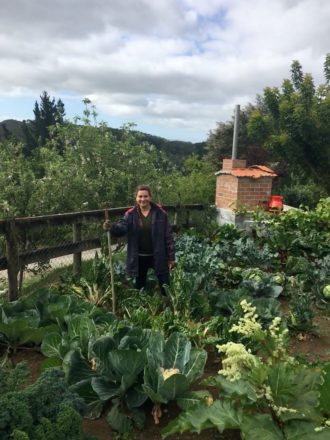
In the cooking sessions we used a lot of fresh produce and herbs from the garden. I've never seen cabbages this big before!
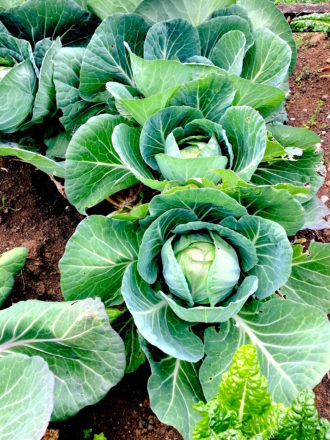
One of the things that I loved about the property were the bathtubs full of backyard herbs and vegetables.  It's so neat that you can grow veggies in this unique garden bed. If you're keen to try it for yourself, all you need to do is find an old bathtub, fill it with nutrient rich soil and ensure proper drainage.

Once we were settled into our room, it was time for a full induction and a review on all of the ins and outs (in detail) about how the training was going to run.

While each day changes slightly, on the course a typical day schedule consists of:

  • 4.30 a.m. Wake up and do tongue scraping and use a neti pot (nasal saline irrigation therapy) 
  • 5:00 – 6:15 a.m. Morning practices (fire ceremony, pranayama, meditation)
  • 6:30 – 7:30 a.m. Yoga asana class with Kelsey
  • 7:30 a.m. Breakfast and break
  • 8:00 a.m. End of silent time
  • 8:30 - 11:45 a.m. Lecture, then kitchen practicum.
  • 12:00 p.m. Lunch and break
  • 2:15 – 5 p.m. Lecture, then kitchen practicum
  • 5:00 p.m. Dinner and break
  • 6:15 p.m. Meditation (approximately 30 minutes)
  • 7:55 p.m. Agnihotra (fire ceremony)
  • 8:30 p.m. Exit common areas/finished with bathrooms, into bedrooms
  • 9:00 p.m. Lights out and silent time

Following this, Kelsey explained the underlying philosophies of the course. We were going to be shown how to work and manage energy and use consciousness throughout the training.

If you haven't already twigged by now, this course is much more than a cooking program, in a nutshell, it's a period of time that gives you the opportunity to, on reflection, learn about yourself and how you react when placed in different situations, some of these comfortable and familiar, and others completely out of your comfort zone! The other thing is that you will also learn a heck of a lot and the quality of the information is top notch. 

During the beginning stages of the course, our minds were periodically cast back to the bunk bed situation, but then collectively, we all slowly dropped our shoulders and expectations. There came a point where we realised that; we are here, we are in the moment, and we had to either embrace and stay open to it or resist it and have to deal with it internally.

Over the next couple of days, once we settled into our daily routine, our nervousness started to dissipate, and our minds started to calm down and enjoy the process.

On the first day we were introduced to Myra who is the creator of Hale Pule.  As she entered the room, her passion and commitment to her style of Ayurveda and the Ayurvedic lifestyle was immediately evident. She truly believes that we all have the power within us for healing and health. Hale Pule is an extremely holistic course that Myra founded and runs. It explores looking inside for answers and cultivating your inner-most connection, and the benefit that has for yourself and others.

She also has the cutest dog who would often swing by in the afternoons and smile at us during afternoon lectures!

One of the main purposes of the course was learning how to cook with spiritual principles and how to incorporate these into your cooking. Initially Myra asked us what our intentions were and our reasons for being there in order for us to think more deeply about what this course meant to us and how we were going to apply it in the outside world.

We also learnt about how the five natural elements work together with tastes to bring about harmony and healing in the body. We learnt a lot throughout the course, with the lectures ranging from a review of the principles of Ayurveda, to food combining, food presentation, ways to connect with food through life-force, and so much more!

At its heart, the cooking course uses a holistic approach to wellness and the union of food, prana (the Ayurvedic term for energy) and thought. We were given examples throughout the course on how thought is paramount and can deeply impact how you feel, how you digest and how you assimilate what you are eating. 
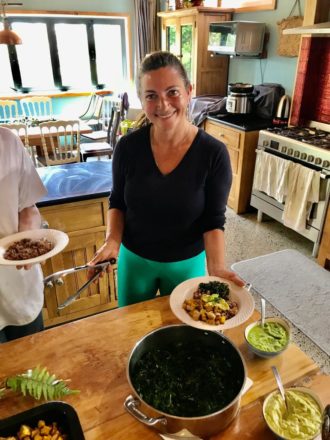
Cooking up an Ayurvedic Storm!

Food at its core is a part of our interaction and connection to nature, this is something impossible to ignore especially when you’re surrounded by the beautiful greenery of New Zealand. We were amongst fifty shades of green everyday and we studied to a chorus of birds tweeting, and a backdrop of clear skies and fluffy white clouds. 

Each day, we were guided through a colourful meditation that focused on observation of the self. We were invited to tap into how we felt around other people and how we carried other people’s energies. Myra guided us on how to clear other’s energies too – it got very intense at times... get out your sage sticks everyone! 

By now, I think I might know what you’re all thinking?  "Wait, Lee, what does this have to do with cooking? I want to make curry!"

I'm getting there, I promise!

But it's important to understand that all of the energies you feel, and have ever felt, align with the cooking process.

Overthinking and gathering too much energy from other people is the same as putting too much spice in a meal, or in other words aggravating the pitta or vata dosha ;).

Dinner time was always a time when the group came together, helping each other out with chopping and prepping and spicing.

One of the other big question's on everyone's lips at lunch and dinner was, 'Who's turn is it to make the ginger appetiser?'. A great way to stimulate digestion we are told.  

I've never made these kinds of appetisers before, but it's super easy to do.  All you need is a thinly sliced or match stick piece of ginger drizzled with one drop of lime or lemon and a pinch of salt. And I kid you not, it’s tastier than you’d think.

We also washed it down with a buttermilk drink containing ghee, cardamom and ginger. Very tasty! And we all took it in turns to make the drink with our own variety of spices. 

Finished product and enough for 12 people!

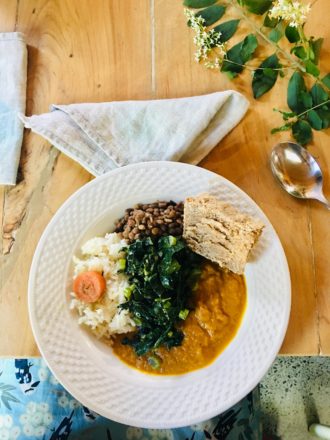
Kitchadi,  one of the Ayurvedic main meals was a fun dish to create from scratch.  This dish featured whole basmati rice, split mung beans, slices of zucchini and we topped it with earthy flaxseed meal. 

Each night we ate around a communal table and chatted about our day and cooking adventures. We also had to guess the elements of each dish we took turns to prepare for the others. This led to some spicy dinner table conversations.  

During dinner we were instructed that the conversation needed to be directed through Myra, there were no side conversations allowed and if this happened you would be met with a stern gaze. There is a reason for this - and that is to keep a sense of sattva, or peace and harmony at the dinner table.

Inevitably when a bunch of people sit down together, there can be lots of diverse conversations happening and people end up shouting over one another to get their point across, and then the space doesn't feel calm anymore. The idea is to eat peacefully so your digestion will function optimally. Plus it's nice to hear what everyone has to say. 

Once Myra had finished eating we were then all allowed to leave the table and complete the task of washing and drying up and cleaning the kitchen. This was also a good way to learn how to relinquish control!

Once the cleaning had been done, it was back up to the main area and we were introduced to the practice of agnihotra (a fire ceremony), where cow dung was burned, and an offering was made.

Practiced at sunrise and sunset all over the world, agnihotra is a powerful healing ceremony for all of nature, including the human being.

It's said to harmonise and expand the consciousness of all aspects of our being and helps to promote mental calm and inner peace as well as purifying the atmosphere, thus reducing the effects of radiation and pollution, and enhancing the conditions of soil, water and air, to allow for balanced and robust plant growth. 

I must admit I was shocked when Myra then laced the meals with her special ingredient - cow dung ash… it’s a lot less weird and feels more meaningful when you’re there, I promise!

Myra with her ladle!

Agnihotra is a way for us as human beings to give back to mother nature, and to honor the life giving and transformative energy of surya, the sun.

As we sat for agnihotra, we attuned to the opening of energies in the morning and closing down of energies in the evening. We attuned to nature's rhythms. The fire represents healing and protection to the body. It can be practiced by anyone, anywhere, and guidance is free of charge.

The agnihotra set up

The cow dung is burned in a copper pyramid of specific dimensions with a mantra, known as a sacred sound. At the timing of agnihotra, an offering of rice and ghee is made as the mantra is chanted. All of these components together create a unique and powerful transformation in the air for the person partaking, and the substances burning in the fire. The ash from the fire is then used as "powerful medicine" for internal and external healing.

And now back to the cooking, one of the highlights was that we also made cookies which were cow dung ash-free! Here's Georgia from GV Meditation creating magic!

The next day started at 5am (no snooze alarms allowed) with another fire ceremony, breathing exercises and yoga asana which focused on foundational poses. 

Kelsey from Hale Pule teaches raja yoga, which is the 'royal' path, containing all of the 8 limbs of Patanjali. This holistic approach leaves no aspect of living unaddressed.

The eight limbs of Yoga is the foundation, offering guidance on the yamas (how we behave in the world), niyamas (how we treat ourselves), asana (postures), pranayama (breath control), pratyahara (management of the senses), dharana (concentration), dhyana (meditation) and samadhi (union with the Divine).

Kelsey from Hale Pule

All of the yoga involved incorporates the principles of Ayurveda, which is known as the sister science of yoga. In terms of the asana, Hale Pule teaches sustainable yoga asana. The teaching utilizes the most balancing aspects of these various methods of practice to support a long-term yoga practice.

Two of Kelsey's poses I brought home with me were a "sit down, stand up" movement practised on a chair 25 times each morning (it's great for mobility) and also a "shoulder shimmy" which involves shimmying your shoulders for three minutes straight. Shimmies are not only for the dance floor, they're also a fun exercise for toning your waist and shoulders! 

During the course we were taken through the three Ayurvedic doshas, vata, pitta and kapha, these are basically energies that circulate around your body and can highlight aspects of your constitution. Through this learning, we uncovered how these dosha’s feel when they’re in balance and out of balance.

We also took part in a series of breathing exercises (pranayama) daily and because our hands hold energetic points that relate to the elements we incorporated different hand postures or mudras into our practices. 
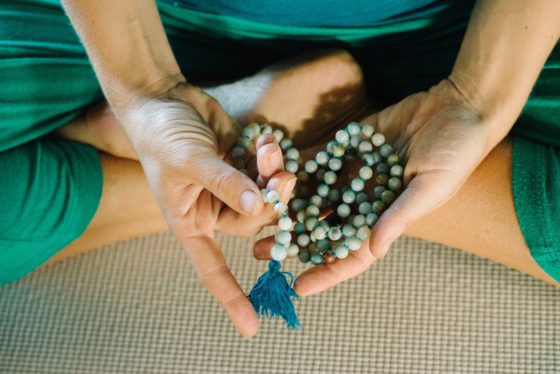
During the course, we discussed Agni, the fire of life or the digestive fire, which is essential in Ayurveda. Keeping Agni functioning well is paramount to balanced health. Some of the things that help keep Agni functioning, are consuming the right combinations of food, not overeating and leaving four hours between meals. No wonder I love intermittent fasting.

All of the meals we created were balanced according to Hale Pule's Ayurvedic principles of 60/40 - this is a balance of 60 percent augmenting and 40 percent extractive foods eaten at each meal of lunch and dinner and also a balance of the six tastes.

Augmenting foods are those that nourish and ground your body and mind. They build tissue and replenish what is lost. These foods are generally sweeter in taste – things like rice, carrots, pumpkin and avocado. Eating augmenting foods gives us vitality and energy. 

Extractive foods are those that are cleansing in nature. They ask your body to give something up in order to digest them and are essential in breaking down healthy fats. They are often bitter or astringent in taste – foods like kale, collards, legumes and nuts. 

Towards the end of the course, we did a test and handed in our assignments!

It was incredible to see how much we gained, beyond the incredible cooking skills, and how much valuable information was given. 

For the final cooking exam, I created an Ayurvedic meal based on a Mexican Wedding, which involves the union of the mind, body, senses and soul. Mexican 'Mole' with kale, sweet potatoes, guacomole and salsa verde with decorations from the garden. 

We also had a special day when we cooked a lovely Love Loaf which was alluded to throughout the course, so we were all looking forward to it immensely.

One of my favourite components of the course was cooking in the large country kitchen. We made dishes that focused on augmenting and extracting foods to put the body back into balance. 

Most of the meals were tridoshic, meaning they were suitable for all different doshas, which is great when it comes to family cooking at home. We also made a wonderful home-made stove-top bread, and chapatis.

I found this retreat such an eye opening experience and would recommend it to anyone wanting to expand their Ayurvedic knowledge. This is not a "retreat" in the traditional sense of the word, but you do get out what you put in and come away with a brand new perspective and knowledge on Ayurveda that will stay with you for life!.

The next chef training is being held from April 6th - 20th, 2020. There is also a second training which runs from November 1st -14th, 2020.

At the moment, the accommodation is transitional, but they’re hoping to be in a permanent location in November 2020.

Once you’ve completed your stay, you’ll leave with an Ayurvedic chef training certificate that you can use professionally or personally.

If you want to learn more about Hale Pule, you can read more about them on their website here and tune into their podcast here.

I'm sharing some of my favourite recipes we learnt how to cook too...

Zucchini kitchadi recipe
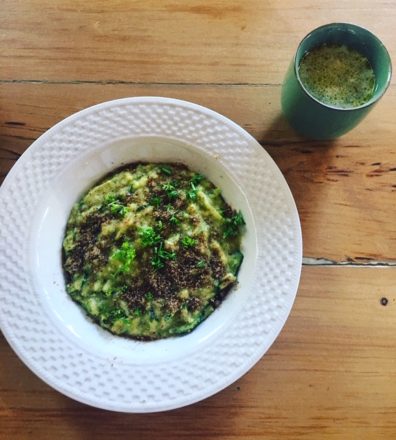
Serves 4 

The most basic form of kitchadi is simply rice, split mung and ghee, with no vegetables and fewer spices for easier digestion. This is best if you are recovering from illness, injury or surgery. Try a day or two with plain kitchadi and work your way up to simple kitchadi with vegetables.

Ingredients:

  • 3/4 tsp. cumin powder
  • 3/4 tsp. coriander powder
  • ½ tsp. brown mustard seeds
  • 1 ½ Tbs. ghee
  • 3/4 cup basmati rice
  • 1/3 cup split mung beans (if split is not available, use whole and cook well)
  • 1 strip kombu cut into small pieces
  • 6 cups water, more as needed
  • 1/8 tsp. asafoetida
  • ½ tsp. rock salt
  • ½ Tbs. fresh grated ginger root
  • ½ tsp. turmeric, fresh or powder
  • 1/2 tsp. cardamom powder

Method:

Simmer the cumin, coriander, and brown mustard seeds in half of the ghee until the aroma comes up. Add rice, split mung, and kombu. Stir together for a couple of minutes. Add 4 cups water and simmer for 45 minutes in a pot on the stove. If you are using a pressure cooker, bring to pressure and cook for 18 minutes.

Put the remaining ghee in a small pan over medium heat. Add salt, ginger root, asafoetida, turmeric and cardamom. Simmer together a couple of minutes until the aroma comes up. Add to main mixture and let sit for five minutes so the tastes can become friends. Serve warm or at room temperature.

Sushi recipe

60/40 Chirashi Sushi

Ingredients:

Sushi rice

  • 1½ cups sushi rice (augmenting)
  • ½ tsp. ghee
  • ½ tsp. mineral salt
  • 2½ cups water

Mung beans:

  • 1 cup whole mung beans, soaked overnight (extractive)
  • 2 Tbsp. ghee
  • 1½ tsp. cumin seeds 
  • ½ tsp. coriander powder 
  • ¼ tsp. asafoetida powder
  • 1 tsp. mineral salt
  • 1 strip kombu, cut into pieces
  • 4 cups water

Coconut carrots:

  • 3 cups carrots cut into thin strips (augmenting)
  • 2 Tbsp. coconut oil
  • 1 tsp. freshly grated ginger
  • ¼ cup chopped coconut meat

Gingered asparagus

  • 3 cups asparagus, chopped (extractive)
  • 1 tsp. ghee
  • 1 tsp. freshly grated ginger
  • 1 tsp. turmeric powder
  • ¼ tsp. ground black pepper 
  • 2 tsp. sesame seeds
  • 4-6 nori sushi wrappers (augmenting)
  • 2 Tbsp. basil, chopped (extractive)
  • 1 avocado, sliced (augmenting)
  • Method:

Prepare the rice by rinsing until water runs clear then soak for 30 minutes. Bring water to a boil. Add rice, mineral salt and ghee. Cover and simmer for about 25 minutes. You can also use a rice cooker.

Meanwhile, prepare the mung beans by heating ghee in a pot. Add cumin, coriander and asafoetida and cook 1-2 minutes until the aroma comes up. Add the mung beans and stir to coat. Add the water, salt and kombu and bring to a boil. Cover, reduce the heat to low and simmer for 45 minutes or until beans are soft. You can use a pressure cooker to speed up cooking to about 20 minutes. 

When the rice and beans are nearly done, heat 2 tablespoons coconut oil in a saucepan. Add the ginger and simmer until the aroma comes up. Add the carrots and coconut and stir to coat. Add water to ¼ inch the height of the carrots, cover and cook gently until carrots are tender.

Heat 1 teaspoon ghee in a saucepan for the asparagus. Add turmeric, black pepper and sesame seeds and cook until the aroma comes up. Add chopped asparagus, then water to ¼ inch the height of the asparagus. Cook on a light simmer for 2-3 minutes or until asparagus is tender and bright green – be careful not to overcook.

Serve with sliced avocado, fresh basil and nori sheets (for softer nori, place sheets on top of the warm rice until it is wilted).  

Beginners guide to meal prepping plus Raspberry and Chia Overnight Brekkie Jar

If you’re looking to start making changes to the way you eat, one of the easiest ways to simplify the process is by pre-preparing meals. Now, I’m not talking bodybuilder-style containers of cold chicken, steamed broccoli and sweet potato ;). 

Meal preparation surpasses any food trend, it’s seriously handy and means you get to eat homemade food frequently. The fact that it's grab-and-go but healthy also makes a big difference to your daily routine and long term health goals. 

Preparing meals and making meals ahead of time, ensures you’re eating foods that are better for you, healthier and more likely unprocessed. Basically, it means you’re less likely to run down to the store during a break and come back with three packets of chips, two slabs of chocolate and a family pizza with all the trimmings, for one. 

By packing your own meals, you can ensure that they’re portion controlled and not from a packet, saving you, your wallet and the environment. If this all sounds a little overwhelming to you don’t worry, I’ve got you! 

Let’s talk about easy ways to start meal prepping so you can get the most out of it and enjoy the process - just think of it like a meditation practise; you’re in the moment and before you’ve had time to think the job is done!. 

If you’ve ever looked at the Insta feed of a famous foodstagrammer, I’m sure you’ve noticed fancy recipes prepared for each meal of the day. While that’s great, that’s not the aim of meal prepping. Meal prepping is done to make your life easier so, you don’t stress. Rather than starting to prepare gourmet, five-star meals for every day of the week, start with recipes you already know or, very simple ones.

The first thing I recommend doing is picking a day to prepare. Pick one or two days a week that you can set aside some time to prepare meals. Maybe this is a day you have off work, away from the family or just have some extra time. I like meal prepping on Sunday and Wednesday night as I have some time off then, but choose the days that work for you. 

The second thing to do is pick the meal you want to create. If you never have time to make breakfast, start with that. I've got a great breakfast bowl here and more tips on how to meal prep here.  If you’re usually stuck without lunch, try that. Or, if you come home late and can never be bothered to cook once you get home, that’s your meal prep meal. 

If all of these sound like you, start off with one and slowly build up so you don’t get overwhelmed by the process. 

Before you do your grocery shop, ensure you include everything you’ll need for these meals. You may choose to focus on one simple meal like roast chicken and cook enough so it can be portioned out for a few days. If you’re cooking with your oven, use it to its fullest potential, even if that means cooking with multiple oven trays to get it done. If you don’t want to create specific meals that’s okay too. My favourite way to meal prep is to cook separate bits and pieces to create meals the night before. I like to think of it as a choose-your-own-adventure. 

For example, if you have fresh vegetables on hand, chop and prep them and enjoy them with some of my other recipes such as:  

Bohemian Baked Vegetable Bowl

Salmon and Coriander Fish Cakes

Cauliflower Rice

And then mix-and-match what you want to eat the night before. If you are cooking dinner throughout the week, I recommend cooking double and then adding it to your meal prep selection for the next few days. Preparing your meals and snacks in advance will save you time and money in the long run. 

If you’re into renewable meals, read this post from my eBook The Renewable Table on how to build a renewable table-  that means to cook once and let that food stretch. By cooking in larger batches and creating a ‘base meal’, you can reclaim it to make delicious meals that can live on for another meal or four. You can create chicken schnitzels for dinner that turn into a schnitzel and broccoli salad the next day and a delicious schnitzel wrap here.  

I’ve also created an ultimate guide to batch cooking which will give you everything you need to know about building a menu, the cooking day, preparation tips, baking and roasting tips, what ingredients to use, labelling and how to store them. 

Speaking of roasting, if the oven isn’t your thing, I also love a good slow-cooker or crock-pot recipe for ease and convenience. Two of my favourites are my Supercharged Lamb Bone Broth and Rosemary and Thyme Chicken Stew.

When you’re storing away your food, make sure you have enough containers. I recommend ones that are BPA-free, stackable, reusable and air-tight to avoid leakages. 

If you’re looking for a new breakfast recipe to add to the meal rotation, there’s nothing easier than a chia brekkie jar. Chia seeds are high in a plethora of nutrients, including fibre, to help keep you fuller for longer. If you’ve never used chia seeds before, they absorb water and turn into a jelly kind of consistency. Chia’s to that fun time. 

And there you have it, meal prepping for the beginner. I’d love to know, do you practice meal prep. If so, what do you like to prepare in advance?  

Raspberry & Chia Overnight Brekkie Jar

Cut these ingredients the night before and take the hectic out of the morning rush hour.

 Ingredients:

  • 1 small handful of fresh or frozen raspberries, plus extra to serve
  • 1 small handful of fresh or frozen organic blueberries, plus extra to serve
  • Pinch of vanilla powder
  • Pinch of ground cinnamon
  • 3 tablespoons coconut flakes
  • 3 tablespoons chia seeds
  • 1 tsp Love Your Gut powder
  • 250ml (1 cup) non-dairy milk of your choice; almond milk is nice
  • 1 tablespoon nut butter (optional)

 Method:

Combine the berries, vanilla, cinnamon, coconut, love your gut powder and chia seeds in a mason jar. Gently mash the berries, then stir in the milk. Pop the lid on and leave in the fridge overnight. Serve topped with the nut butter and extra berries.

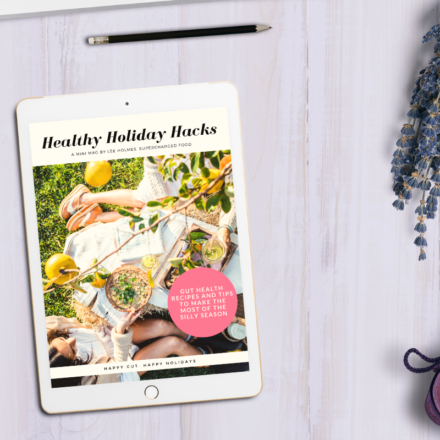
Healthy Holiday Hacks book, a gift from me to you for the holidays

Hello friends, I have a FREE gift for you…

It’s time to put some hacks in your sacks this festive season! (Alright, I know I’m not the best copywriter but please cut me some slack….it is Christmas time afterall ha!

Ok are you ready for Santa's little helper? I’m giving back a stack of healthy hacks that will help you over the holidays.

I’ve created a FREE Healthy Holiday Hacks eBook which includes delicious gut-friendly dishes that are all gloating and no bloating!

A happy gut is a gift that keeps on giving. It's like Christmas for your body all year long and now you can hold onto your health whilst still letting go of everything else 😉

If there's one good thing you do for your body over the holidays (and we hope there's more than one!) it should be to look after your gut.

A clean, toned gut is the way to make the more of the holidays - more energy, less bloating; more nutrient absorption, less build-up of waste in your system.

It's hard though to maintain good gut habits over the silly season. That's why I've written a gut guide that's packed with hacks.

As a nutritionist I make it easy for you with real-life tips, real-world information, real food that's really good for your gut. And it really is totally FREE! 

The Healthy Holiday Hacks eBook contains:

  • 5 in-depth articles about gut health
  • Loads and loads of tips and hacks to keep your gut healthy and happy
  • Information on how Love Your Gut can help
  • 11 Supercharged gut-loving and totally delicious recipes!

Grab your FREE copy here.

ps. Please share this book with a friend, it makes a great virtual stocking stuffer!

Best CBD For Sleep: Can You Mix CBD and Food at Night?

Do you sleep less than eight hours a day? Tossing and turning and have counted hundreds of sheep to no avail? If so, you might be experiencing insomnia.

Insomnia is a prevalent sleep disorder, appearing in about a third of the population sampled in one study. It’s often associated with different diseases and illnesses, such as diabetes, Gastroesophageal reflux disease (GERD), asthma, allergies, etc., as well as some mental issues, like anxiety, stress, and depression.

However, if you’re sleep-deprived for no apparent reason, you’ve got a more serious problem in your hands.

What if you can do something about it that doesn’t require you taking any medications? Would you consider drinking chamomile and lavender tea, using aromatherapy oil in your bedroom, or changing your mattress, perhaps? In case you are thinking of getting a new mattress, this buying guide from Sleep Standards is a great resource that will help you select the most suitable twin mattress.

Or better yet, would you even consider going the unconventional route, like CBD, that doesn't pose any side effects compared to traditional medications?

What’s CBD?

Cannabidiol, or CBD, is one of the 113 cannabinoids produced by cannabis plants. Unlike some cannabinoids of the cannabis family that affect the minds (depending on the dose), like Tetrahydrocannabinol (THC) or Tetrahydrocannabivarin (THCV), CBD has not been known to have intoxicating effects. In fact, the World Health Organization reported that CBD doesn’t pose any threat of being abused, and there has been no evidence of it causing any health issues and vulnerability.

Nevertheless, CBD still doesn’t have the most pleasant reputation due to the fact that it’s linked to weed, which is still not legal in most states in the USA. However, while it’s a vital component of Marijuana, its primary source is another relative plant called hemp.

Can CBD Be Mixed With Food To Induce Sleep?

It has been proven that CBD helps you fall asleep and can address different sleep issues, such as improvement of sleeping habits, excessive naps during the day, as well as grogginess.

Among the sleep-enhancing CBD products, Buba Kush stands out as a popular type. Bubba is an Indica CBD flower strain that produces intense relaxing effects, helping with medical conditions such as insomnia. To explore the other different health benefits that provide the strain you can check out the reviews here: https://www.drganja.com/bubba-kush-cbd-flower

There are several forms of taking CBD nowadays, and they include edibles, pills, vape concentrates, and oils. But the question is, can you actually take CBD by mixing it with your food to address insomnia? Sorry to burst your bubble, but as of now, the answer is NO.

While CBD can be consumed in various forms, the Food and Drug Administration (FDA) has yet to allow it to be a food additive. According to the FDA, the main reason is that they’ve already approved CBD as a treatment for pediatric seizures (Epidiolex); hence, it cannot be allowed as food additives or dietary supplements. It also still needs further research about whether it’s beneficial when taken with food.

How Do You Get The Most Out of CBD?

As mentioned, since CBD is available in different forms, like capsules, gummies, oils, tinctures, lotions, among others, how these forms are taken will be the basis of their concentration when manufactured. But, which method of consumption is more effective and the most bioavailable, especially when dealing with sleep issues?

If talking about 100% absorption in the body, intravenous administration is the best route as with any other type of medication and supplementation. However, it’s not recommended for CBD’s case as oil does not do well in the body and may result in thrombosis. Besides, not a lot of people would want and can tolerate needles.

So, what are the alternatives? The following are the bioavailability rate of each consumption method:

  • Oral (4% to 20%) – This method applies to all edible and other forms by way of the mouth, such as gummies and capsules.
  • Sublingual (12% to 35%) – This can be done for lozenges, tinctures, and sprays.
  • Vaporized (34% to 56%) – CBD via vape pen and vaporizer device are by far the most effective alternative.

Many people would complain about not being able to see any difference in their sleeping habits after trying out each of these three forms. If you’re going to expect that CBD will work like sleeping pills, you’ll be disappointed because it doesn’t work that way.

Instead of promoting drowsiness, CBD targets anxiety by calming your nerves to help you fall asleep. So, don’t fret when you don’t get your desired effect immediately or not at all.

Each individual has a different tolerance level when it comes to the dosage, or it could be that you have other underlying issues that are not anxiety-related. It’s best that you seek help from your primary healthcare provider for proper treatment options. It find one that you are comfortable with like Flawless CBD.

Other Benefits of CBD

While the world may still seem to have divided opinions about CBD and cannabis in general, many have shared their testimonies about their benefits.

Apart from addressing your sleep issues, the following are some of the other notable benefits you can get from consuming CBD:

  • Helps in relieving pain
  • Can aid in the reduction of depression and anxiety
  • Has the ability to lower blood pressure
  • Reduces the likelihood of diabetes
  • Can be used in treating epilepsy and other neurological disorders
  • Can reduce sebum production that causes acne
  • May help minimize cancer treatment side-effects and other symptoms

Parting Word

Insomnia can pose a lot of risks, especially in the way you conduct daily activities, which can affect your quality of life. When you’ve done everything and still unsuccessful in getting that elusive good night’s sleep, perhaps it’s high time to change your mind and start considering CBD.

With CBD, you don’t get to worry about the potential harm you get from medications in the long run. And most of all, you can get that much needed “fix” without getting the “high.”

Three savoury meals to make in a muffin pan plus my Savoury Cupcakes with Pumpkin Mash

Are you a sweet or a savoury person?

I used to be all about the sweet. I could never pass up on my gutmeal, pancakes or a smoothie bowl for breakfast. But recently, I’ve found myself craving something else. I’ve become bored of sweet foods and I’m ready to take the train to savoury station.

But, I’m not one to settle for plain old boiled eggs or a soggy piece of bread with overripe avocado. I want something bite sized that I can grab when I’m in a rush. I want decadence with a side of nutrients. 

When I hit one of these moods, I bring out the muffin pan. 

If you don’t think you can get tasty savoury muffins, you know nuffin’ about the muffin

Muffins can be savoury and exploding with nutrients. They’re a great on-the-go meal for when there’s not enough time to think. I like making a batch of muffins and freezing them for when I need a pick-me-up ASAP.  

Muffins are a great way to sneak in extra goodness. I pack them with a whole load of vegetables, protein and healthy fats to help keep me (or whoever’s lucky enough to get one from me) going until my next meal. I also add a spoon of Love Your Gut Powder for the gut health benefits! 

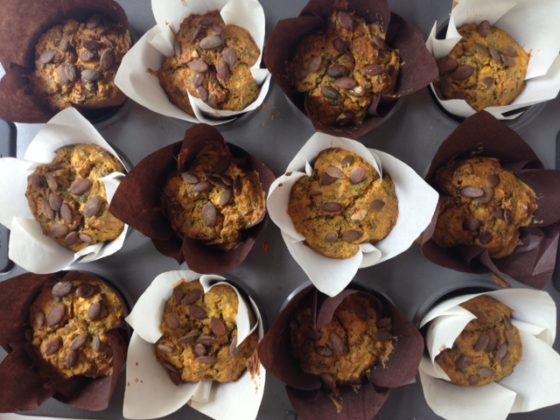
One of my first explorations into the world of savoury muffins were my Spinach and Carrot Muffins back in 2013. To this day, these muffins are constantly on rotation in my house. If you’re worried by the S-word in the title, don’t worry, you can’t taste the spinach. Spinach adds a plant-based source of iron that you won’t even know exists. These muffins also contain flax seeds which are rich in omega 3, making them great for helping to reduce inflammation. 

Next up are my Mini Salmon Frittatas. These cute little muffins are perfect for all age groups. I’ve kept the ingredient list simple and cooking time short to reduce your time spent in the kitchen (oh, and the mess too). They’re incredibly moist and contain a powerful nutritional hit. 

My final savoury meal to make in a muffin pan are delicious Savoury Cupcakes with Pumpkin Mash from  Supercharge Your Gut. They’re a perfectly balanced meal, containing beef or lamb for protein, and eggs and almond meal for quality fats. They’re also loaded with vegetables to ensure that breakfast fulfils its criteria of being the most important (and delicious) meal of the day.

I’ve even added my mouth-watering pumpkin and cauliflower mash to this recipe for some added sweetness. Think of it as your bonus from me. You’re welcome. If you’re following a low FODMAP approach, swap out the cauliflower for the green part of the spring onion, and two large carrots. Read more about FODMAPS here.

These muffins contain garlic and onion, two anti-microbial vegetables part of the allium family. The allium family are known to kick our immune systems into gear and help control blood pressure. 

These muffins are truly glorious and will be the envy of children and adult lunch boxes everywhere. Just be sure to keep an eye on them so no one happens to grab yours ‘accidentally’. Don’t say I didn’t warn you. 

These muffins are quick, simple and offer a delicious breakfast or snack. What’s my favourite way to serve them? Warm with a drizzle of tamari. 

All that stands between you and these muffins is half an hour. My work here is officially done!. Ps If you’re a busy working parent without a lot of time on your hands there are great fresh alternatives for affordable meal kits such as Hello Fresh too.

Savoury Cupcakes With Pumpkin Mash 

Makes 6 Large Cupcakes

Who says cupcakes need to be sweet? These savoury ones save the day with their deliciousness. Serve warm with a drizzle of wheat-free tamari.

Ingredients:  

  • extra virgin coconut oil, for greasing
  • 500 g (1 lb 2 oz) minced (ground) beef or lamb
  • 1 onion, finely grated
  • 3 free-range eggs
  • 25 g (1 oz/1/4cup) almond meal
  • 1 tbs Love Your Gut Powder 
  • 1 garlic clove, crushed
  • 1 tablespoon mixed dried herbs of your choice, such as rosemary, sage, parsley, basil
  • 2 tablespoons wheat-free tamari or coconut aminos.
  • 1 quantity warm Pumpkin & Cauli Rosemary Mash  (below)

Method:

Preheat the oven to 180°C (350°F). Grease a large six-hole 250 ml (9 fl oz/ 1 cup) capacity cupcake tin with coconut oil.

Place the beef, onion, eggs, almond meal, garlic, herbs and tamari in a large bowl. Season with sea salt and freshly ground black pepper, then use your hands to mix and thoroughly combine. 

Using your hands, scoop the mixture into six even portions and shape into balls. Press the balls into the cupcake holes.

Place the cupcake tin on a baking tray, transfer to the oven and bake for 20–25 minutes, or until the cupcakes are browned on top. 

Remove the cupcakes from the oven. Using a piping (icing) bag or a spoon, pipe or dollop the warm mash on top of the cupcakes. If you like a crunchy topping, place them under a hot grill (broiler) to crisp them up a bit. 

Serve warm. Leftovers will keep in an airtight container in the fridge for 2–3 days. 

Pumpkin and Cauli Rosemary Mash:

GF WF DF SF VEG 

SERVES 4

Ingredients: 

  • 1/2 small jap or kent pumpkin (winter squash) 
  • 1 head of cauliflower, cut into florets (For a FODMAP-friendly version, use the green part of the spring onion, and two large carrots instead of the cauliflower.)
  • 2 tablespoons coconut cream
  • 2 teaspoons extra virgin coconut oil 
  • 1 teaspoon mustard powder
  • 1 tablespoon chopped spring onion (scallion)
  • 1 teaspoon fresh chopped rosemary or dried rosemary 
  • pinch of Himalayan or Celtic sea salt
  • 2 tablespoons nut butter (optional, if tolerated)
  • nutritional yeast flakes (optional, if tolerated), for sprinkling 
  • small rosemary sprigs, to garnish 

Peel the pumpkin, remove the seeds and cut into 2–3 cm (1 inch) cubes. Steam the pumpkin and cauliflower together for 15–20 minutes, or until the pumpkin is soft and you can poke a fork through the cauliflower florets. While the steamed vegetables are still hot, place them in a food processor or high-speed blender. Add the coconut cream, coconut oil, mustard powder, spring onion, rosemary, salt and nut butter, if using.

Whiz together, stopping and scraping down the sides of the blender 

if necessary, until all the ingredients are well incorporated and smooth. Serve warm, sprinkled with nutritional yeast, if desired, and garnished with rosemary sprigs.

Free supercharged recipes delivered to your inbox!

When you register for our newsletter you'll also receive a FREE gut health recipe ebook.