Back to School Lunchbox Tips plus Chocolate Popsicles

Whether you’re a mum, dad, grandparent or carer (or perhaps a kid yourself), my aim is to inspire you and the family to enjoy healthy recipes to supercharge ALL your lives.

Being a mum and step-mum, it’s that time again when you're getting ready to send the kids back to school, which means for me and many parents and caregivers... busy schedules and challenging lunchbox fixing!

If you’re looking to supercharge your child's lunchbox and get creative I'd love to share some of my simple tips, that have really made life easier in the kitchen.

Being an ex English teacher, I've really seen the impact that nutritious meals can have on students, a nutritious lunch can really make a big difference to their mental clarity, focus and behaviour in the classroom.

When it comes to packing and presenting lunchboxes that your kids will enjoy and devour, much of the battle will be in communication and variety. Unfortunately, taking the “You’ll get what you’re given” approach that many older generations may have experienced, is a sure fire way to ensure that kids are removed from a relational experience of food.
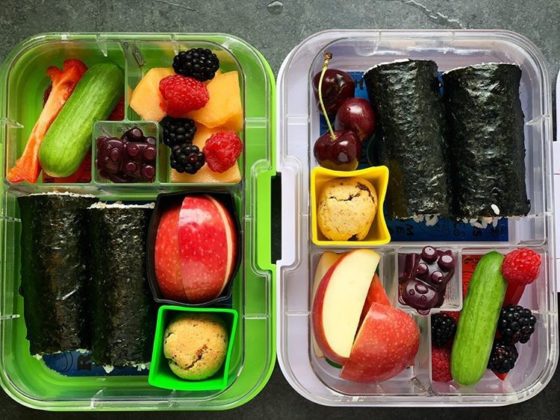
My Fruit Scones for lunch in a healthy lunchbox, image by Hannah Phillips

What we're all aiming for is a place where children are able to freely and creatively engage in the process of making healthy food choices, and learn how to take responsibility for what they're eating. By opening up a relevant two way conversation about the importance of eating real foods, and giving them the opportunity to make some choices about what they may be able to have in their lunchbox, will more likely result in an empty container on their return home from school.

Some of the things I've figured out along the way are:

Let your child be involved in the purchasing of their lunchbox, make sure it's sturdy with a strong lid, insulated or comes with an ice pack... no parent likes to find a black mushy banana on the return trip home!. If they choose one that they love, they won’t mind toting it around, hey you can never be too cool for school! If you’re using plastic then BPA free makes a good choice too.

Choose a lunch box with separate pockets or sections and make sure it is large enough to hold a flask or drink bottle.  Using smaller lidded containers will protect the lunchbox and its contents and alleviate the need for foil and cling wrap. They're useful for dips, salads, fruit, wraps and casseroles.

When attempting to expose your kids to new, more nutrient dense real foods, it’s a no brainer that a dull, monochromatic spread of food is unlikely to entice their taste buds. Not only do we eat with our mouths, but first and foremost with our eyes; so presenting a visually appealing, colourful lunchbox is a must.

A nutritionally balanced lunch box should contain an array of food from various food groups.  Avoid a mid-afternoon dive by including plant-based treats like fresh juice or smoothies, chopped up veggies and hummus and seeds, smash up blueberries and strawberries instead of jelly and sugar rich jams.

Use different types of fruits and vegetables, seeds, coconut flakes, full fat calcium rich dairy foods, protein rich foods such as meats, eggs, seed butters, pulses and tuna and oily fish.
If your child is gluten free, there are a bunch of really healthy bread options in my book Supercharged Food for Kids  or the eBook version here, things like wraps, breads and tortillas which will be a good source of long term energy.

Here’s a Supercharged Tip: Make a “rainbow salad” with different coloured ingredients such as purple cabbage, red tomatoes, green snow peas, orange carrot and yellow capsicum.

There are a few simple swap outs you can make that will improve your child’s diet enormously.  If you’re in doubt remember to try and choose wholefoods, which are as close to their natural state as possible.

Eating seasonal fruit and vegetables that are in abundance will be less of a strain on the purse strings. Buy dried beans they are more economical than canned. Swap margarine for real butter, use full fat dairy in place of low fat, which is often compensated with sugar and additives, choose real cheese instead of plastic cheese slices, try and choose organic meats where possible.  Major supermarkets now carry very affordable organic meat.

Using real food will teach your child to appreciate food’s natural flavours and develop an understanding of what real food actually tastes like.  If you can, skip the sugar-filled, artificially flavoured yoghurts in the supermarket and instead opt for full cream plain yoghurt with mixed fresh berries in a fun container with an animal shaped spoon.
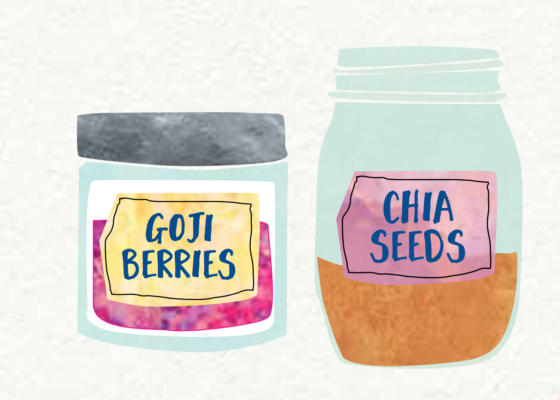
You can make chocolate yoghurt with cacao powder and a touch of natural sweetener, or avocado and chocolate mousse using an avocado, a banana, two tablespoons of cacao powder and sweetener of your choice. Adding Chia seeds to yoghurt, which are flavourless will provide sustenance as well as essential protein, calcium, vitamin C, iron, potassium and Omega 3 essential fatty acids. You can add seeds to nibble mixes too, along with coconut flakes, Vitamin c rich goji berries and dehydrated fruit.

Making kids lunches interactive and less soggy is also important. Separate dry and wet ingredients such as dressings, sauces, spreads and slices of tomato for crackers and sandwiches in mini containers, and let them engage in some of the construction of the food.

Mix up textures of smooth yogurt with crunchy pumpkin seeds, or gluten free sandwiches with contrasting fillings of creamy avocado, “hairy” sprouts crunchy slithers of celery with a homemade mayo.

Soups can be frozen in single portions and then heated and placed in a thermos for lunchbox use. Incorporate leftovers into lunch the next day.  Grains, meats, vegetables, eggs and undressed salads make excellent additions to a lunchbox.
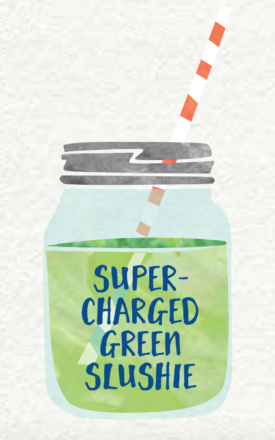
When it comes to drinks, rather than providing a reconstituted fruit juice, why not try a “green monster”, blending green veggies such as spinach, celery and cucumber with apple, pear and lemon juice for an exciting, eye catching addition or try a green slushie. If you child doesn't like anything green, then flasks of chocolate milk can be made at home with rice or oat milk or banana smoothies help them feel full for longer too.

My favourite smoothie to make for the kids is a Very Berry Shake. It's also a good one when you need breakfast on the run. This shake will provide ample energy when time is short.

Very Berry Shake

Serves 1

  • 125 g (412 oz/1 cup) fresh or frozen mixed berries
  • 12 banana, peeled and frozen
  • 250 ml (9 fl oz/1 cup) oat milk
  • 4 ice cubes

Whizz all the ingredients in a blender until smooth.

Always remember to encourage your child to drink water, it hydrates, regulates body temperature, and helps prevent constipation and urinary tract infections. It is also important for your child’s oral health, their immune system, digestion and weight management.  Make it fun for them and give them a straw, add some ice and squeeze fresh lemon in to or a mint leaf give it a hint of flavour. You could even drop a couple of frozen berries in.

Investing in a water filter is preferable to tap water. If you’re still having trouble getting your child to drink more water set a pee challenge!  The lighter the pee the better.

Here’s a Supercharged Tip: Keep pre-cut sticks of celery, carrot, cucumber, and capsicum in the fridge for incredibly quick last minute snacks or as a colourful addition to lunch boxes.

For healthy lunchboxes it’s a good idea to always keep a variety of fresh fruit and veggies in stock. Having raw fruit and veg that can be simply cut up is the easiest way to ensure that kids are snacking on fresh, nutrient rich foods.

I’d love to hear about what you put in your healthy lunchboxes, so over to you guys!

You can purchase my Supercharged Food for Kids book here or the ebook version here.

And for a delicious after school snack that the kids will love, why not try my Chocolate Popsicles, they're a big hit at home! I hope you guys love them as much as we do :).

Chocolate popsicles

Makes 4

  • 2 bananas
  • 65 g (214 oz/14 cup) nut butter
  • 60 ml (2 fl oz/14 cup) coconut milk or coconut water
  • 2 tablespoons cacao powder
  • 1 teaspoon vanilla extract
  • 1 tablespoon honey or sweetener of choice
  • 4 iceblock (popsicle/ice lolly) moulds and sticks

Whizz all the ingredients in a food processor to combine.

Pour into the ice block moulds and add the sticks, then freeze until set.

Happy lunchbox fixing! And I'd love to hear some of your favourite things to include in your school lunch boxes below.

Five gut friendly snacks plus Celeriac Fries and Plantain Chips

The world of health can be excruciatingly confusing. Some health experts tell us to eat one meal a day, while others say it’s imperative to eat a minimum of nine. Yikes!

While there are generally agreed upon rules like:

-      Eat your vegetables, especially the green ones.

-      Limit your intake of processed foods. 

-      Eat till you’re satisfied, not stuffed.

The rest of it can be somewhat mind-boggling.

Snacking is one of those topics that many health experts disagree on. While some say snacking is futile if you’re trying to lose weight, others say it’s essential for blood sugar regulation. If you’re confused about where to turn for advice, there’s only one person you should be listening to – and that is yourself. 

Yep, that’s right. You’re in charge. Not me or anyone else.  

We’re all different shapes and sizes, have different schedules, exercise at varied levels and have different goals we’re trying to achieve. All of these things play a part when it comes to deciding whether snacking is a good option for you.

In a nutshell, the most important thing is that you’re getting enough of the nutrients you need to fuel your body and make it work and feel well. If that means eating three larger meals a day, that’s good. Or, if that means eating three smaller meals and a few snacks, that’s the way to go for you. 

If you’re choosing to snack, my advice is to avoid highly processed foods as much as possible. Eating processed foods, more than the act of snacking, is the problem we’re facing with our modern diets. These foods can wreak havoc on our hormones, waistlines and energy levels; the highs and slumps. 

To paint a clearer image, let’s imagine your gut and your brain have just started dating. They swiped right, went on a first date and it felt like the stars were aligning, destiny was playing out, etc etc. Instead of texting, the gut and the brain communicate through their master communication hormones, known as leptin and insulin. If the gut is continuously fed excess sugars and refined carbohydrates, it can send mixed messages to the brain, hindering their ability to communicate effectively. This can overload the brain, making it resistant to the messages. This can then impact our gut’s ability to maintain a healthy weight and regular appetite. 

One of the best ways to help their communication and reignite their connection, is by avoiding excess sugars and too many refined carbohydrates. It’s time to stop giving them mixed signals! If you want to know how to improve their connection, and along the way, help out your hormone regulation, reach a healthy weight and show your gut some love, check out my book, Supercharge Your Gut

If snacking works for you and you want to cut back on refined sugars and carbohydrates, what kinds of foods are the best to turn to? 

Below are my top five gut-friendly snacks plus a couple of new ones that won’t spark or spike your blood sugars but rather, give you sustained energy and keep your gut happy too... 

One of the most underrated on-the-go snacks of all time is a piece of fruit. Yep, it really can be that simple. If you do want to supercharge that snack and add in a gut-friendly hit, why not add in some fibre-rich chia seeds? If you want to wrap your fingers around something that’ll chia your digestion up, you can’t go past my Strawberry and Chia Roll Ups.  

If you’re in need of something a bit heartier than a piece of fruit, there’s nothing better than sipping on a smoothie. When I’m on the go, I pour single-serve portions of smoothies or smoothie bowls in a glass jar, so I’ve always got access to a wholesome snack. My two favourite smoothies at the moment are my Hello Vera Smoothie for some extra-gut loving and my Chocolate and Raspberry Smoothie Bowl if I’m in need of something sweet and need to boost energy levels. I like to chew my smoothies rather than slurp them up in one go to make them easier to digest.

Sometimes, all I feel like is a hearty slice of bread, but I don’t just want any piece of bread. I want a full-dose, gut-loving, crunchy, aromatic piece of bread filled with pumpkin, spice and everything nice. When that’s the case, my Golden Gut Pumpkin and Nut Loaf is my go-to. If you haven’t tried it yet, what are you waiting for (seriously, go do it now!)? I love combining it with nut butter for an energy hit. I always make sure to keep some in my freezer pre-sliced, so I can defrost it and enjoy it any day of the week. 

You know when you’re hungry and bored… but you’re more bored than hungry and just really want something to do with your hands. Bring on my Apple Cider Gummy Bears.

They’re a supercharged treat that are extremely palatable and contain loads of gut-healing ingredients including gelatine and apple cider vinegar, making them great for our immune system, gut and overall well being.

If you’re hunting for some munching, I’ve got just the things to get you crunching. Celeriac fries and Plantain Chips!

I’m not sure why these vegetables aren’t more well-known, but let’s keep them as our little secret, shall we? I have two chip recipes for you that’ll fry your mind. 

Celeriac isn’t the prettiest of veggies, but its performance makes up in taste what it lacks in beauty. Crispy on the outside and soft on the inside, these fries make a delicious snack. 

Plantain is like a less sugary banana that requires cooking. It offers a great dose of Vitamin A and C, zinc, magnesium and potassium. They're now available in supermarkets too, they look like bananas but bigger! Plus, they’re just extremely delicious. 

Try out these two recipes and let me know what you think 🙂

Celeriac Fries

Serves 2—3

  • 3 large celeriac, peeled and cut into 4 cm (11/2 inch) 
  • 1 tablespoon cold-pressed extra virgin olive oil
  • Celtic sea salt
  • freshly ground black pepper

 Method:

Preheat the oven to 200°C (400°F).

Toss the celeriac fries in the olive oil and add a pinch of salt and pepper.

Place in a baking dish and roast for 30–35 minutes, turning them once or twice, until they are crispy.

Note: The thinner the fries, the crisper they will be. 

Plantain Chips 

  • 1 plantain, sliced thinly on the diagonal (a mandolin is great for this) 
  • 1–2 tablespoons oil of choice (I use light olive oil or spray them with macadamia oil)
  • 2 tablespoons hemp seeds or sesame seeds and sea salt, for sprinkling 

Preheat the oven to 180°C (350°F). Toss all the ingredients together and spread on baking trays. 

Bake for 15–20 minutes, or until crisp, flipping the chips over halfway through. 

Enjoy warm, or leave to cool, then store in an airtight container for up to 1 week. 

Why fad diets aren’t good for the gut microbiome plus Gut Buck Crackers

To get fit and feel better, we can push ourselves to our limits at the gym, leave eight hours between our low-carb, low-fat and scarily high amounts of protein meals, and drench them with a side of celery juice. Oh, and don’t forget about getting into ketosis and only eating green vegetables with the added bonus of feeling starved, exhausted, hangry and never satisfied with your body! 

Sounds like a great time… said no one… ever. 

Fad diets. Urghhh.

Fad diets are the ones that praise eliminating certain foods, or only eating particular foods. While they promise quick weight-loss, this weight-loss is not usually sustainable and can often wreak havoc on our minds, bodies and gut microbiome.

You and the planet are much better off with a high plant based flexitarian approach with diverse ingredients. And for all the strict vegans and people worried about climate change there is an interesting article over on the Guardian here  which suggests that unless you’re sourcing your vegan products specifically from organic, “no-dig” systems, you're actively participating in the destruction of soil biota, promoting a system that deprives other species, including small mammals, birds and reptiles, of the conditions for life, and significantly contributing to climate change.

Diet plays a key role in regulating the health of the microbiota. Eliminating certain food groups or following a specific elimination diet can starve good gut bugs, ruining our microbiota and intestinal lining.

Having healthy, diverse and happy gut bugs ensures we’re protected against pathogens, helping to regulate our immunity and absorb all the nutrients we ingest.

Let’s start with carbohydrates. Ahh, the low-carbohydrate diet, a classic one followed by many. Before we start, let’s get one thing straight. There are two different types of carbohydrates – digestible carbohydrates that we’re able to, as the name suggests, digest, such as sugar and starch, and non-digestible carbohydrates such as fibre. Fibre is accessible to the gut and is vital for digestion, absorption and transportation of nutrients. 

Carbohydrates are essential for maintaining the health of our microbiome, energy stabilisation and hormone regulation. With limited carbohydrates, we have limited gut diversity which is never a good thing and starving ourselves of essential fibres and prebiotic rich ingredients.

When it comes to carbohydrates, it’s important to include a variety of different sources for microbiota diversity and anti-inflammatory effects. Choose nutrient-dense carbohydrates, such as whole grains like oats, quinoa, amaranth, buckwheat and brown/red rice, legumes such as beans, chickpeas and lentils, fruit and starchy root vegetables like pumpkin, sweet potato and beetroot. 

Some of my favourite gut-friendly and carbohydrate-loving recipes include:

Waffles with Fresh Strawberries and Coconut Yoghurt

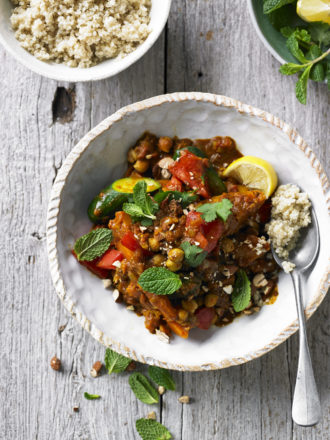
Vegetable Marrakesh Casserole

Golden Gut Pumpkin and Nut Loaf  

There’s a lot of talk about cutting out fat to lose fat, but generally fats don’t make us put on weight. They’re essential for hormone balance, the health of our skin and nutrient absorption.

On the other side of the scale lies the high-fat diet. One of the biggest diets going around at the moment is the ketogenic diet, a high fat and low carbohydrate approach. The ketogenic diet was initially developed to treat epilepsy, but it’s reached fame for its ability to quicken up weight loss. The aim of the ketogenic diet is to reach a state of ketosis, which can help with weight loss and lowering blood sugar levels.

Recent studies have indicated that being in the state of ketosis can cause an increase in the gut bug Akkermansia muciniphila, a bacterial species that can cause harm (1).

While the jury’s not quite out yet on this one, many people are now having to relook at their gut health after taking up the keto approach.

When it comes to what to eat, it’s more important to have a balanced diet and eat a moderate amount of high-quality fats such as avocado, hemp seeds, nuts, chia seeds, flaxseeds and oily fish.

For all of your gut-loving delicious recipe needs plus the latest gut health research and information, get your hands on my latest book, Supercharge Your Gut.

Some of my favourite gut-friendly recipes rich in good-quality fat include:

Salmon and Coriander Fish Cakes

 Turmeric Seeded Loaf 

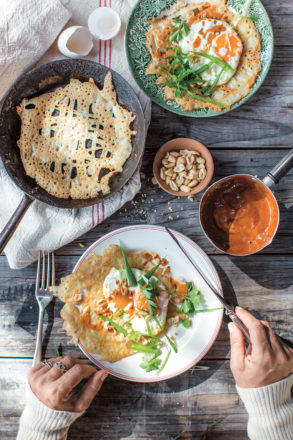
Supercharged Egg Hoppers with Peanut Sauce  

Dietary changes can cause imbalances in the diversity of your microbiome, causing gastrointestinal dysbiosis and potentially causing irritable bowel syndrome, irritable bowel disease, asthma and more.

If you're looking out for your gut, the best piece of advice I can give you is to follow an approach that looks after the health of your gut, a diverse high plant based approach with all the necessary amounts of fibre, protein, good carbohydrates and good fats. 

If you're not sure where to start, it helps to begin with a clean, toned and efficient gut. For people who don't have the time to start from scratch when it comes to cleansing the gut, try my Love Your Gut powder. It's a vegan, gluten-free whole food that can improve digestion and nutrient absorption, and reduce gas and bloating and help your gut to work more efficiently and productively. 

I’d love to know – which fad diets have you tried? Have you noticed how they’ve affected the health of your gut? 

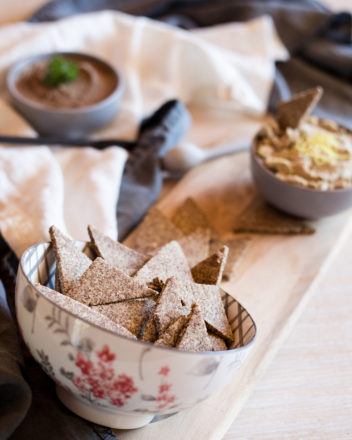
If you’re looking for a gut-friendly snack that’s full of goodness, these tasty crackers are on regular rotation at our house, where they’re affectionately known as ‘buck cracks’.

Simple and quick to make, they’re a convenient snack when you feel jelly legs coming on.

If you’re looking for more information on the best way to feed your gut, my book Supercharge Your Gut is definitely one to add to the book shelf.  

Gut Buck Crackers


Ingredients:

  • 100 g (3 1/2 oz/1 cup) almond meal
  • 35 g (1 1/4 oz/1/4 cup) buckwheat flour
  • 1/2 teaspoon Celtic sea salt
  • 100 g (3 1/2 oz/1/2 cup) flaxseed (linseed) meal 
  • 1 tablespoon dried mixed herbs
  • 1 teaspoon grated lemon zest
  • 1 free-range egg (optional and if you are vegan, it can be replaced with 1 TBS ground flax to 3 tbs water and mix until absorbed)
  • 1 1/2 tablespoons extra virgin olive oil

Method:

Preheat the oven to 175°C (340°F).

Grease a large baking tray.

Combine the almond meal, buckwheat flour, salt, flaxseed, dried herbs and lemon zest in a bowl.

Whisk the egg  (or flax mixture if using) in a small bowl, then slowly whisk in the olive oil. Pour the egg mixture into the dry ingredients and mix to form a dough. If it’s too dry to roll out, mix in a little water.

Roll the dough out on a sheet of baking paper, to a thin rectangle measuring about 25 x 35 cm (10 x 14 inches). Place the baking tray face down over the top, then invert the two together so the dough is on top. Peel off the baking paper.

Using a sharp knife, cut the dough into 5 cm (2 inch) triangles or squares. (Alternatively, you can leave it whole and break into pieces once cooked.)

Bake for 12–15 minutes, or until crisp, turning the crackers over halfway through. Remove from the oven and leave to cool completely before serving.

The crackers will keep for up to 1 week in an airtight container in the pantry.

(1) https://translational-medicine.biomedcentral.com/articles/10.1186/s12967-017-1175-y

Ten tips to glowing skin plus my Collagen and Flax bars

It's 2020, let's glow things up!

I'm sure you've heard by now that your skin is a reflection of what's going on inside. If you're experiencing acne, eczema, dermatitis or rashes, it's likely there’s an underlying imbalance.

Skin imbalances can be caused by stress, substandard gut health, liver dysfunction, hormonal imbalances, diet and lifestyle. If you’re looking for that desired glow, there are several things you can do to look after your skin and take it from drab to fab.

Here are my top ten tips for glowing skin. Plus, stay tuned for a skin-friendly treat that will make your skin shine, gut happy and taste buds sing. 

  1.  One of the most underrated, yet essential, things we can do for ourselves is to drink more water. I couldn’t write a list of tips for glowing skin without it! Staying hydrated is key to maintaining a fresh glow, as well as helping assimilate and process the nutrients in the food you’re consuming. The aim is to drink at least 1 1/2 litres of water a day, and more if you’re exercising, sweating or breastfeeding. Other gut-friendly liquids to embrace are herbal teas, such as ginger, fenugreek, lavender and fennel, get my recipe here. Plus read my post about soothing drinks to set you up for a good gut day here. Looking for other ways to incorporate spices simply? check out my full spice guide here

  1. If you’ve ever seen my blog, you know I have a bit (okay, a lot) of a love affair with gut health. The skin can tell us a lot about what’s going on internally. For example, if you suffer from a sluggish digestion or toxicity, it can manifest as acne on the cheeks. If you’re looking to cleanse your gut to help with the glow of your skin, you may like to try my Love Your Gut powder or my Love Your Gut capsules for a convenient gut dose on-the-go. Love Your Gut powder is made of 100% food-grade diatomaceous earth and helps clear out bacteria, viruses, pesticides, fungi and more, which may be interfering with optimal digestive function and your skin. Another gut-friendly tip is to consume enough fibre. Fibre is abundant in plant-foods, including vegetables, fruits, nuts, wholegrains and seeds. Some of my favourite fibre-rich recipes include:

    Nourishing Breakfast Bowl

    Oven-Baked Broccoli and Cauliflower Steaks

    Chocolate and Raspberry Smoothie Bowl  

3. Omega-3 fatty acids are essential for glowing skin. These come in the form of fatty fish like salmon, mackerel and sardines, flaxseeds, walnuts, chia seeds and hemp seeds. Omega-3 reduces bodily inflammation and protects the health of the cell membrane, helping combat lines, wrinkles and even acne. If you’re looking for a delicious way to increase your omega-3 intake, you’ll have to check out my delicious bars down below. I love including fish into my daily meal rotation. One of my favourites at the moment is my ginger seared tuna

4. Collagen exists in every bone, skin, blood vessel and tendon in the body. It helps maintain tissue integrity and the elasticity of the skin. Collagen also heals and seals the gut lining, helping us out with tip number 2 about gut health. While collagen is naturally formed in the body, it reduces with age, which can lead to wrinkled skin and loss of cartilage in the joints. If you’re looking to up your collagen intake, it can be found in my Gut Healing Turmeric Chicken Broth and Supercharged Lamb Bone Broth . Other sources of collagen include eggs and meat or hydrolysed marine collagen powder.

If you're vegan and collagen isn't easily accessible, you can include some of these alternatives; soy products- tempeh, tofu, and soy protein, beans such as black and kidney beans, many other legumes and also sprinkle on some seeds like pumpkin, squash, sunflower, and chia. Try to include nuts in your diet too such as pistachio, peanut, and cashew.

5. Your skin is your largest organ so, whatever you put on your skin, your body ingests. If you won’t eat chemicals, why put them on your skin? To keep your skin glowing, try to use products that are as close to their natural state as possible. This includes make-up and products you use for dermal hygiene, such as face wash and exfoliants.

Opt for products that do not contain harsh chemicals, as they will end up causing skin irritations and other problems. Instead try using products that are mainly made of natural ingredients such as aloe vera, calendula, coconut oil, tea tree oil, goat milk. For instance, if you have dry skin you can try natural goat milk soaps that contain fatty acids which replace missing oils and prevent skin from dryness. However, for those who have oily skin, soaps that contain aloe vera can be helpful as they gently remove excessive oils without causing any skin irritations.

Always make sure to use sunscreen in the morning and use unscented and natural cleansers to keep the skin clean. Control the urge to squeeze, rub, scratch or pick your pimples, wash your make-up off before bed and use natural skincare products, such as my Supercharged Food Earth Mask & Scrub.

  1. Glowing skin represents what’s going on internally. If you’re not receiving enough nutrients, your skin may be struggling to glow as a result. Two major dietary deficiencies that are linked to poor skin health are zinc and vitamin A. Zinc is essential for skin healing and immune regulation. Similarly, a Vitamin A deficiency can contribute to acne. Vitamin A can help reduce sebum production under the skin and therefore, improve skin health. Increase your consumption of foods rich in these vitamins. Nuts and seeds, whole grains, legumes, shellfish, meat and eggs are high in Zinc. Foods rich in Vitamin A include orange vegetables such as sweet potato, pumpkin and carrots, and dark greens like kale, spinach, swiss chard and collard greens. Try on my Nourishing Bowl Breakfast Bowl for size. 

7.    Our hormones can play a huge role when it comes to the health of our skin. If we have an excess of hormones, our livers may be unable to detoxify them, causing a build-up. Hormonal imbalances, particularly excess oestrogen or testosterone, often manifest as acne on the chin and jaw. To assist the liver in doing its job, we need to be eating foods that help the liver detoxify hormones effectively. Cruciferous vegetables contain a compound which naturally support liver detoxification. Cruciferous vegetables include cauliflower, broccoli, Brussels sprouts, rocket, cabbage and kale. You can't go past my Oven-Baked Broccoli and Cauliflower Steaks.

8. Superstar ingredients for reducing inflammation and helping the skin shine are foods rich in anti-inflammatories. When you think of anti-inflammatories, think of foods that are very rich in colour, such as kale and turmeric (I know, if one more blogger says to eat these two foods, you’ll go crazy, but please just listen!). Turmeric is rich in curcumin which helps reduce inflammation. If you do want an easy way to get more turmeric into your world, check out my Golden Gut Blend.  Other great examples of anti-inflammatory foods include leafy greens, berries, fatty fish and extra virgin olive oil. Or try my Turmeric Seeded Loaf - it’s amazing and wonderful for breakfast with your favourite spreads.

9. When it comes to skin health, sometimes it’s not about what we ingest but about what we don’t. Alcohol, excess caffeine, refined sugar and dairy can all impact the skin and dull your glow. While I won’t say to cut your intake completely, consider reducing these and having them moderately from time to time. Or, try this delicious energy promoting mocha and banana smoothie bowl and swap out the coffee for dandelion tea if coffee isn't on the agenda for you!

  1. While stress plays a common role in our daily lives, it can impact the health of our gut, liver and hormones, which can all impact the skin. One of the best ways to combat stress is by doing activities that help calm you down. You may like to try meditating, walking in nature, reading a book or spending time with your family. One of my favourite ways to unwind is by baking so, I’ve shared a recipe down below that’s sure to calm you down and make your skin glow!

Beauty is an inside job, so get ready to glow things up for 2020!

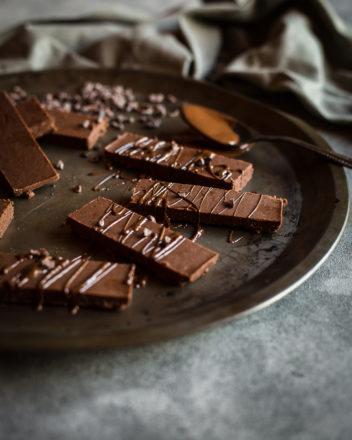
Collagen & Flax Bars

Makes 14

The most abundant protein in our bodies, collagen is found in our muscles, skin, bones, blood vessels and digestive tract, and is incredibly important for nourishing a leaky gut back to a healthy state. These chocolate bars are a super healthy and indulgent way to benefit from the blessing of collagen and are also an excellent post-workout snack to help repair muscles. 

You can buy collagen online or from health food stores; look for collagen derived from grass-fed sources. 

Ingredients:

  • 3 tablespoons organic coconut butter 
  • 2 tablespoons extra virgin coconut oil 
  • 2 tablespoons flaxseeds (linseeds)
  • 3 tablespoons powdered collagen 
  • 2 tablespoons raw cacao powder
  • 1/2 teaspoon vanilla powder
  • pinch of Celtic sea salt
  • 2 tablespoons rice malt syrup or raw honey, or sweetener of your choice 

Method:

Line a very small square cake tin, loaf (bar) tin or dish with baking paper. In a heatproof bowl set over a small saucepan of simmering water, gently melt the coconut butter and coconut oil, stirring until combined. Place the flaxseeds, collagen, cacao powder, vanilla and salt in a food processor or high-speed blender and pulse until combined.

Add the melted oil mixture and your chosen sweetener and whiz again, adding more flaxseeds if needed; the consistency should be like a paste. Spoon the mixture into your lined tin or dish and refrigerate for 1–2 hours, until set.

Cut into 3 x 10 cm (1 1/4x 4 inch) bars to serve.

The bars will keep in an airtight container in the fridge for 4–5 days.

Free supercharged recipes delivered to your inbox!

When you register for our newsletter you'll also receive a FREE gut health recipe ebook.