When Stress Relief Turns Into Dependence: Where to Draw the Line
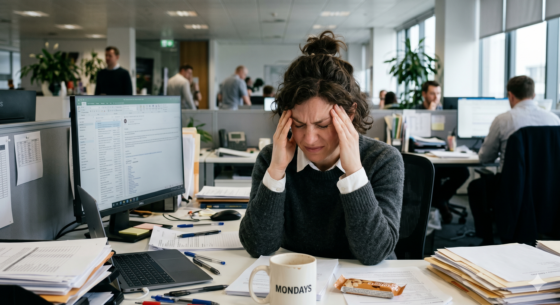
Stress relief is part of everyday life. Most people lean on small habits to relax after a long day, calm their nerves, or switch off before bed. A drink, a snack, a pill for sleep, or an hour of scrolling can seem harmless at the moment. The problem starts when a coping habit stops being occasional and begins to feel necessary. This is about knowing where that line is, why it matters, and what to do when a stress-relief routine starts taking over.
Common Habits That Can Gradually Escalate
Most stress-relief habits start out light. It is usually something widely socially accepted, which most people would not blink an eye at. It can look like a glass of wine after work, which soon turns into a bottle every night. Or an anti-anxiety medication prescribed for once in a while, for high-stress situations, which you now take every morning. Pain medication you used for your back pain, which you now use to unwind. Comfort eating is going from an occasional treat to never feeling satiated.
Even habits that seem less alarming at first can follow the same pattern when they become tied to emotional relief. The issue is not only the habit itself. It is the role it starts to play in daily life.
How to Tell When It Is Becoming Dependence
There are several signs that a behavior has developed into a dependency issue. The first is that you do not have a choice - you just need it. Another is needing more to get the same effect. This often leads to individuals experiencing anxiety, irritability, or an inability to relax without using their chosen substance. Going out of your way to hide that you developed a dependency. Making excuses for why you are using more of a substance than you usually would.
Interference with sleep patterns, moods, finances, job performance, health, or relationships is also a clear sign that you have developed a dependency. Many people are aware that they cannot manage their behaviors at this stage, and taking action immediately can make the road to recovery much easier.

When to Seek Professional Help
If a bad habit seems too hard to break, causes emotional pain, or just continues coming back in spite of all of your best efforts, then you are likely ready for some professional help. A person does not have to go to extreme measures to develop an addiction. In many cases, addiction will start off slowly and will be much easier to overcome if you get help early on. Professional help can provide you with information about what has caused your addiction, manage withdrawal, and teach you how to replace the unhealthy behaviors that got you into trouble in the first place with healthy ones.
Speaking with a doctor, therapist, or rehab provider is a practical step. Trusted treatment centers such as Legacy Healing Center can guide you through the process.
A Clear Line Worth Paying Attention To
The line between stress relief and dependence is crossed when a habit becomes something you rely on rather than something you occasionally choose. That shift can happen slowly, which is why honesty matters. If a coping habit is becoming a daily need, causing problems, or is hard to control, it deserves attention. The sooner it is addressed, the easier it is to make changes and protect your health, stability, and peace of mind and there is no shame in it.
Leave a Reply
Your email address will not be published.