
How Sustainable Seafood Builds Confidence From Source to Plate
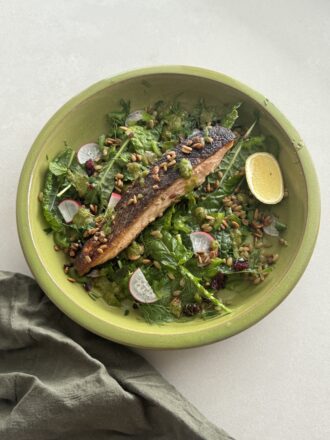
Seafood moves through many hands before it reaches a plate. A fish may begin in a farm or fishery, pass through landing, packing, cold storage, transport, and final prep, then arrive in a kitchen or deli case. That long path can feel hard to trust unless the product carries clear facts with it. Sustainable seafood helps close that trust gap. It gives buyers, chefs, and diners a way to see where the fish came from, how it was handled, and whether key standards were met along the way. Strong records, careful processing, and honest labels turn a complex chain into a clear story. That story matters more now because global seafood production is at a record high, and safe, fair value chains matter at every step. When that story stays whole, confidence grows before the first bite is served. That helps buyers answer a simple question. Can this product be trusted when service is busy and the margin for error is small?
What Sustainable Seafood Really Means
Sustainable seafood starts with a simple idea. Fish should come from systems that protect the long-term health of species and ecosystems. In wild capture, that means science-based management, legal harvest, and care for stocks over time. In aquaculture, that means growth with clear controls, sound management, and attention to impacts that can come with fast expansion. Sustainable practice is not only about nature. It also supports food supply, jobs, and stable trade. When buyers choose seafood from well-managed sources, they support a chain that can keep working in the future, not only this season. That is why sustainability builds confidence so well. It gives people a reason to trust both the product and the process behind it. It also helps buyers connect everyday menu choices with larger goals like resource care, stable supply, and honest trade. Clear standards make that connection easier to see. It also reminds the market that good seafood should protect tomorrow while feeding people today. That link is easy to trust.
Why Source Data Matters
Confidence grows when facts move with the fish. Global guidance on seafood traceability points to end-to-end records built around critical tracking events and key data elements. In plain terms, that means each step should leave a usable trail. A product should connect to harvest or farm details, product identity, and later handling records. Food safety rules use a similar idea. Certain foods must be linked to specific events, such as receiving, shipping, transformation, and first land-based receiving. Those records help teams act fast when a problem appears. They also help in showing that the fish was handled lawfully and matches the claim on the pack. When source data stays clear, seafood becomes easier to trust, sell, and serve with confidence. Good traceability also helps separate fact from guesswork. A buyer does not have to depend on a broad claim when the file shows where the fish started, where it moved, and what happened at each stage. That level of detail can support audits, recalls, and daily planning with less confusion. It can also support fair buying decisions because a product with clear records is easier to compare, verify, and approve.

Convenience Needs Clear Proof
Convenience sells, but convenience without proof can raise doubt. Buyers want products that save labor and still come with solid information. That is one reason why prepared seafood needs strong documentation from the start. If a kitchen brings in ready-to-eat salmon, the value is not only speed. The value also comes from lot records, handling guidance, storage control, and a clear source story that can be checked. When those details travel with the product, chefs can plan service with less uncertainty. Staff can handle the food with care. Diners can feel calm about what is on the plate. A simple product becomes a trusted one when convenience and traceability stay connected from the first step to the last. This matters in foodservice, where labor is tight, and menus move fast. Teams need an item that is easy to use, but they also need proof that the product was processed and handled with care before it arrived. That balance matters for hotels, hospitals, campuses, and other kitchens that need speed and constant control at the same time.
Safety Depends on Process
Trust can break fast when food safety is weak. Seafood processors are required to identify hazards that are reasonably likely to occur and build plans to control them. That preventive approach matters because seafood can face risks linked to time, temperature, contamination after processing, and other handling failures. For ready-to-eat products, sanitation and cold control matter even more. Public health guidance shows that cold-smoked fish can become contaminated with Listeria during processing, and that refrigeration does not kill the germ. Global risk work has also examined cold-smoked, ready-to-eat fish as a meaningful Listeria concern. That is why careful processing, sealed packs where needed, strong cleaning, and strict storage rules build real confidence. A good source story must always be matched by a safe process. Safety is not one step at the end. It is a chain of small controls that starts in the plant and continues through transport, receiving, storage, and final service. When any link fails, trust can fail with it. Well-run preventive plans give staff a clear routine instead of last-minute fixes after a problem has already spread.

Confidence Grows in Kitchens and Stores
The final buyer may never see the full paper trail, yet the results still show up in daily work. A chef sees it in steady portion size, simple prep, and fewer surprises. A deli team sees it in clear storage steps and packing details. A foodservice manager sees it in easier staff training and smoother audits. A retailer sees it in labels that match what is inside the pack. Good seafood programs reduce guesswork. They help teams answer basic questions with confidence. Where did this fish come from? When was it packed? How should it be stored? What controls were used? When those answers are close at hand, trust spreads through the full chain, from the back room to the plate in front of the guest. In many settings, that trust also protects margins. Better records can mean less waste, fewer mistakes, and fewer delays when staff need product facts fast. When teams spend less time chasing facts, they can spend more time on quality, service, and guest care.
The Story on the Label Must Match the Story in the Files
Sustainability claims only matter when records support them. That is why traceability also helps fight illegal and misrepresented seafood. Risk-based import monitoring in the United States requires key data from the point of harvest to entry into commerce for more than 1,100 species, and it aims to keep illegal, unreported, unregulated, and misrepresented seafood out of the market. That kind of oversight shows what buyers have wanted for years. A label should not stand alone. It should match catch or farm details, chain of custody records, and product handling information. When those pieces line up, a seafood item carries more than a nice message. It carries proof. In a crowded market, proof is what turns a claim into confidence and a sale into a repeat order. It also helps honest suppliers stand apart from sellers with weak records or vague claims. Clear files give buyers a basis for trust that is stronger than marketing language alone. That strengthens trust across importers, distributors, retailers, and kitchens alike.

A Stronger Route to the Table
The best seafood stories are simple. The fish comes from a responsible source. The source can be checked. The product stays under control as it moves through processing, storage, and service. The label says what the records say. The kitchen gets useful guidance. The diner gets a product that feels safe, honest, and worth choosing again. Sustainable seafood builds confidence because it joins ethics, safety, and traceability in one clear system. That system helps buyers manage risk, protect quality, and serve food with a clean conscience. It also supports a market where trust can grow over time, even as supply chains stay complex. For teams that want that level of clarity, Select Fish points to the value of seafood that carries its story well from source to plate. When source data, safe handling, and responsible production stay linked, confidence does not need hype. It has facts behind it, and that is what keeps trust strong from first order to final plate. In short, confidence grows when every handoff keeps the story clear and the controls strong.
Leave a Reply
Your email address will not be published.