Mould Issues After Flooding? Here’s What to Do Next

The floods that have hit parts of Australia across New South Wales and Queensland have been nothing short of heartbreaking and so many people have been badly affected.

The clean-up and restoration process has begun as things start to settle, however mould and pathogens often succeed floods, which can pose a severe health hazard to many, so I'd love to share with you some ways to prevent and deal with mould if it is a problem for you. 

What Can Happen If You’re Exposed to Mould?

You may not be aware of it, but mould could be affecting your health. Mould toxicity or exposure is often misdiagnosed, as it can act like many other conditions.  

Mould exposure can cause:

  • Irritated eyes
  • A sore throat
  • Runny or stuffy nose
  • Sneezing
  • Coughing
  • Wheezing
  • Difficulty concentrating, brain fog
  • Dry, scaly skin
  • Digestive problems 

These symptoms can vary from person to person and range from mild to more severe. 

Moulds produce allergens, irritants and toxic substances and can induce asthma, trigger sinusitis and even contribute to lung disease. Some people are more sensitive to moulds than others. 

How to Alleviate Mould in the Home After Flooding 

The most common indoor moulds are Cladosporium, Penicillium, and Aspergillus. Stachybotrys, or black mold, is the most dangerous type.  Mycotoxins are produced which if inhaled, eaten, or touched are toxic to humans. Getting on top of mould issues is really important.

If there are signs of mould in your house due to flooding, be sure to do the following:

  • Cut the plasterboard about 50 centimetres above the waterline and remove it.  
  • When removing gyprock treat it like asbestos. Anything that disturbs mould spores could possibly also redistribute them. Removal of gyprock should not occur without containment and anyone attempting it should be adequately masked and protected.
  • Remove any wall insulation as this can store bacteria and dampness.
  • For any timber or metal studs, try using a pressure wash. Then, spray the studs with antimicrobial disinfectant and leave them to dry completely.
  • If you have any hardwood furnishings such as tables, you may be able to save them through proper scrubbing with hot water and antimicrobial disinfectant to wipe the mould away from the surface.
  • It’s not worth trying to salvage any soft furnishings, such as couches or mattresses.
  • Replace or remove carpets that have been soaked and can’t be dried right away. 

How to Stop Mould from Growing After Flooding

  • Use a dehumidifier in your home to keep humidity levels as low as you can. I have been running my dehumidifier ongoing since the floods and it's amazing how much water it's collecting.
  • Consider installing an air conditioner with a high-efficiency particulate air filter attachment – this can trap mould spores from the outdoor air before they circulate inside the home.
  • Ventilate all bathrooms and run the exhaust fan during and after a shower or bath to dry the air. If you don’t have a fan, open a window or door while you’re showering or bathing.
  • Fix any leaks in the roof, walls or plumbing.  

How to Internally Treat Mould

Even if you don’t feel particularly sensitive to mould, your body may still need help safely clearing it out of your system. 

To help your body detox mould, it is a good idea to focus on the following:

  1. Reducing inflammation

Prolonged mould exposure can trigger and exacerbate chronic inflammation, so I encourage you to focus on getting enough anti-inflammatory foods into your diet.

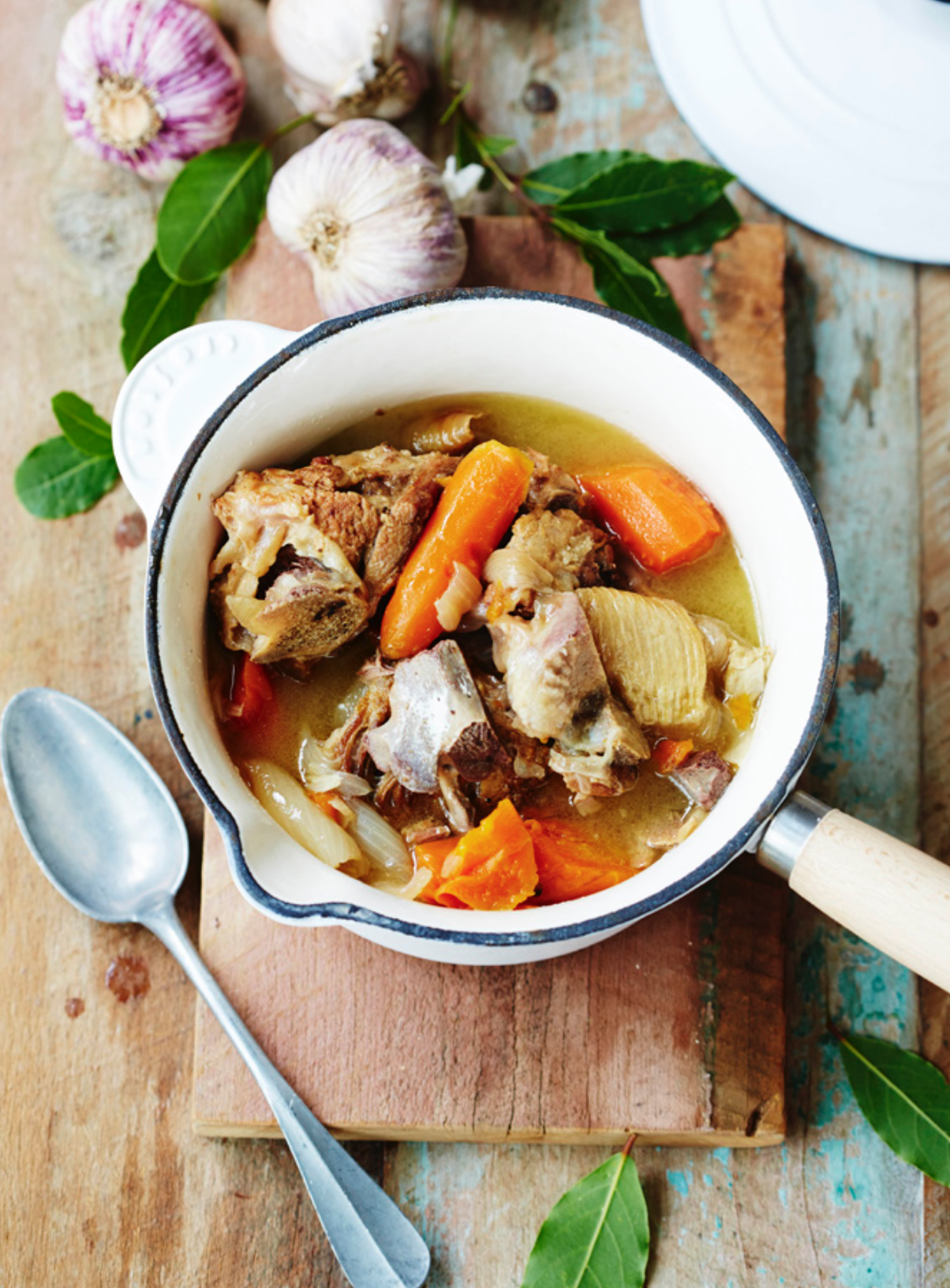
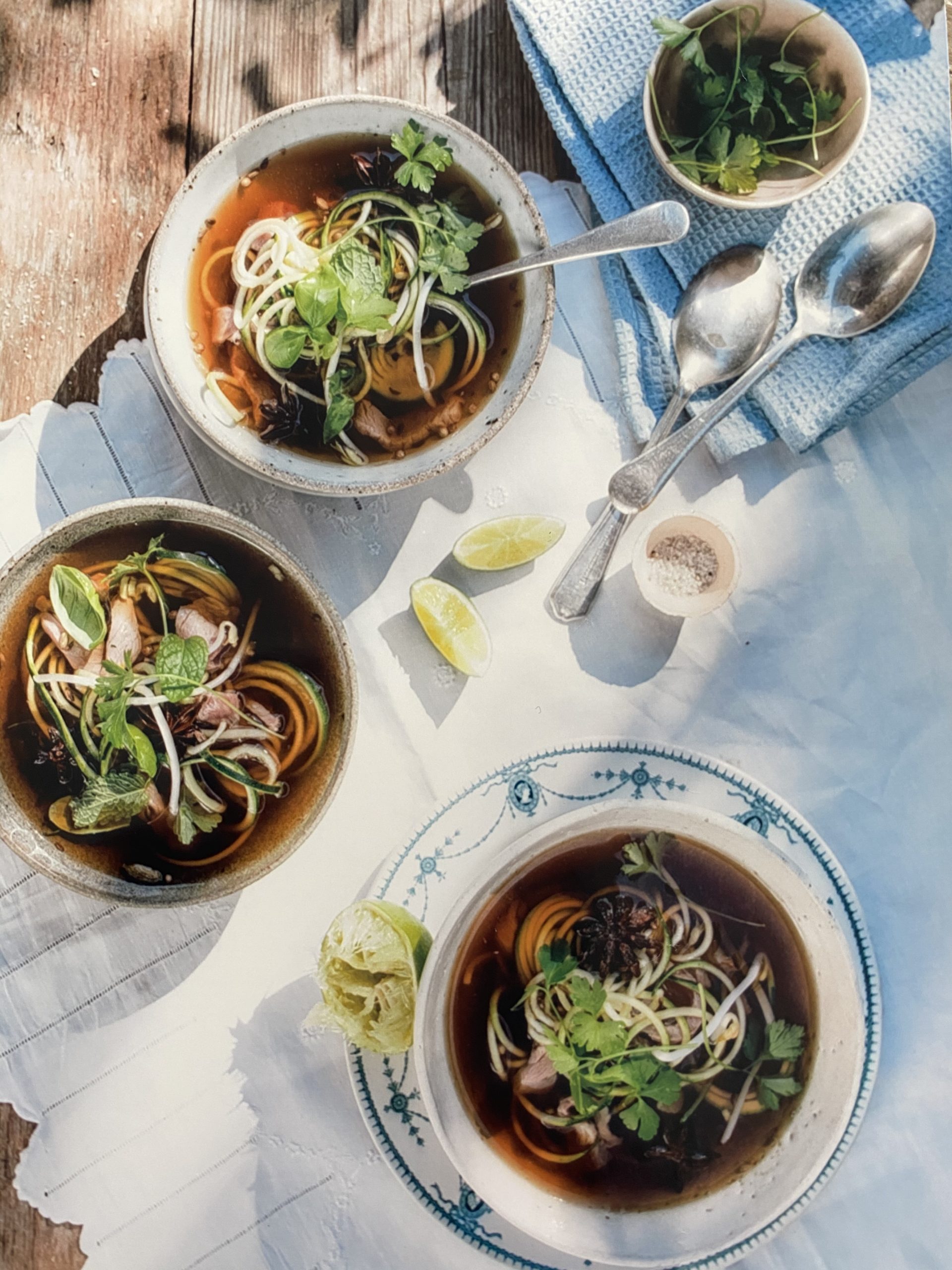
Anti-inflammatory bone broth, my omega-rich crispy salmon, and this delicious smoothie are all sure-fire ways to help lower your inflammation. 
  1. Strengthening your gut microbiome

A healthy gut may just be able to save you from mould toxicity. The research shows that the gut microbiome can eliminate toxins from the body if the gut bacteria is in a healthy balance.1

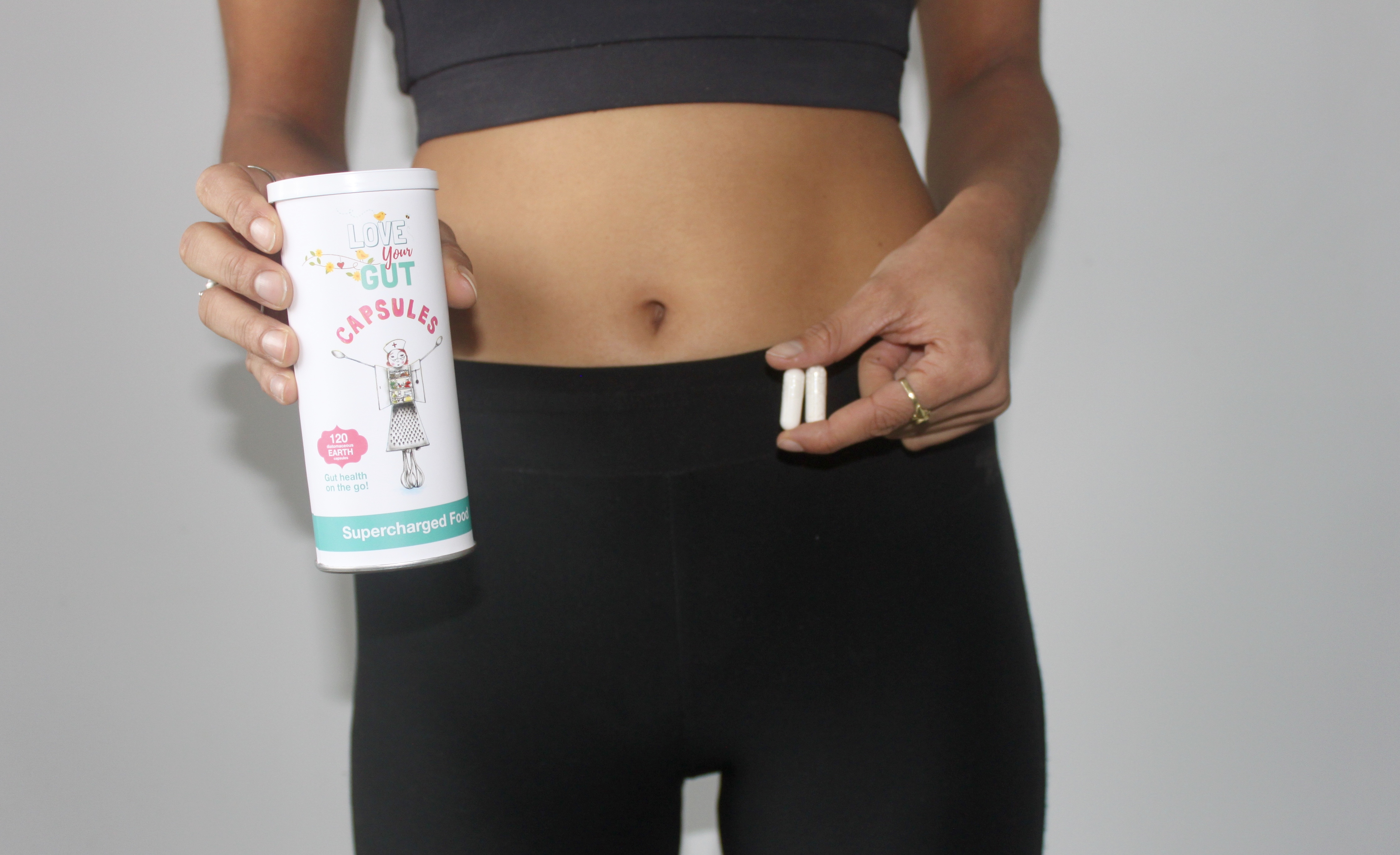
To give yourself the best chance against mould toxicity, add Love Your Gut powder or Love Your Gut capsules to your regime. Love Your Gut can help strengthen the lining of the gut walls and remove a build-up of plaque, bacteria and waste. Plus, Love Your Gut improves your digestion capacity, which means you’ll be able to eliminate toxins faster.  

How to Know When You Need Expert Help

While you may be able to tackle mould extermination yourself, it’s best to call a professional if you find mould that’s larger than the size of your hand, as this means the mould has a constant source of moisture and may be spreading across ceilings and walls. 

The Best Way to Help Others

If you’re near a flood-affected area and want to help, it’s essential to look after your wellbeing while you’re doing it. Anyone involved in clean-up should wear complete protective equipment, including gumboots, gloves, and a mask to avoid ingesting harmful pathogens. 

If you cannot donate your time, there’s plenty that can be done, including donating money or dropping items to local organisations that send them to people who have been impacted. Supercharged Food are part of the Northern Rivers Community Herbal Care program run by Erin Lovell Verinder which is a program to help sustain and rebuild a community who has been shattered on many levels by recent events.

I’m thinking of everyone being affected and am sending my love and support. 

Lee x

References 

1https://www.ncbi.nlm.nih.gov/pmc/articles/PMC5834427/
Five Tips When Cooking With Wholefoods

Wholefood cooking in a world full of quick fixes is not an easy feat, but it’s my job and passion to help everyday people like yourself learn the tools and tips to bring a wholefood, real-food lifestyle into your reach, and into your kitchen!

My philosophy of eating is based around home cooked, ethically sourced, good-for-the-earth and free-from-chemicals methods of food sourcing and preparation. That means that the food you invest into should be of the highest quality; free from hormones, additives, pesticides.

Meats and animal products should be organic or free range and pasture fed wherever possible. Seek out farmers markets and fresh food delivery services over conventional supermarket produce and aim as much as possible to fill your pantry with single ingredients rather than anything mixed by a food company.

Meal kits are a great idea for the home cook as they are an easy alternative to grocery shopping to really remove the guesswork when it comes to meal planning.

Hello Fresh have wonderful recipes and also a meal kit delivery service, that is affordable and convenient, so you can create deliciously healthy, restaurant-worthy meals at home. The other benefits that meal kits offer are that they can help guide you around the kitchen and give you more cooking-confidence! As a bonus the kits also contain pre-measured ingredients to help prevent food waste. Meal kits save you time when it comes to planning, prep and shopping too!

Two Ayurvedic Breakfast Bowls

Here are some of my top tips to help you live a wholefood cooking lifestyle.

  • Soak your grains. This step is so critical, and is something that in the age of outsourced food preparation has been lost. Back in the old days, traditional cultures always soaked, sprouted or fermented their grains, nuts, legumes and pulses before consuming them. This is incredibly important to neutralize enzyme inhibitors and render these foods digestible. An overnight soak of any grain such as oats, buckwheat, quinoa or other grain you are using in any recipe should be soaked in warm filtered water with a spoonful of an acidic or fermenting medium such as apple cider vinegar, whey or yoghurt to break down phytic acid which binds to minerals in your gut and can lead to malabsorption which will negatively affect your gut health over time.

Sweet Spiced Nuts

  • Activate. Seeds and nuts should ideally be activated before consumption, for similar reasons as grains. They really are significantly more digestible, and are actually super crunchy and delicious when activated. To activate nuts and seeds you simply soak them in water for eight to twelve hours with a good pinch of salt, and then dry them setting in your oven for around 8 hours.

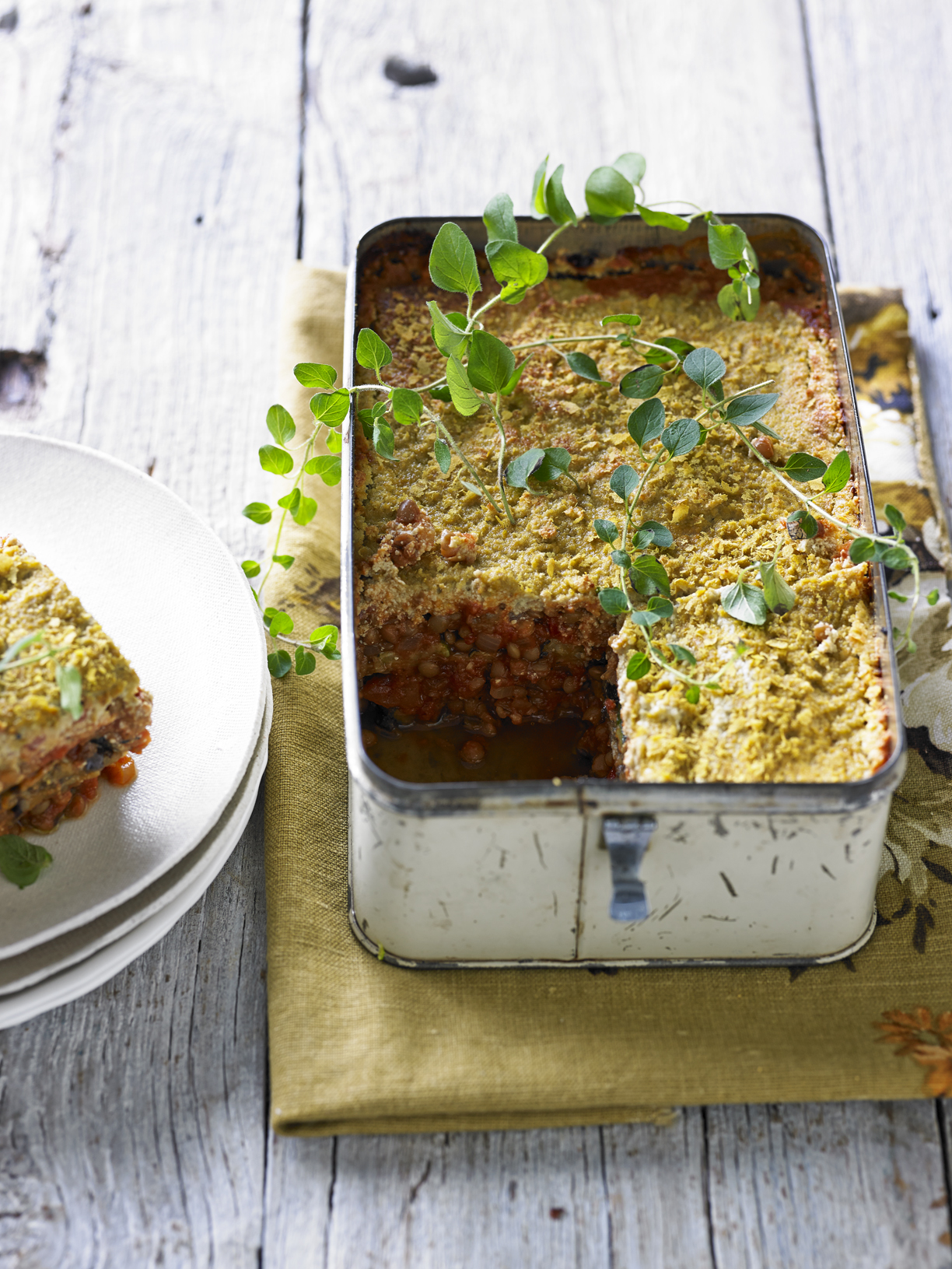
Vegan Lentil Moussaka

  • Cook and freeze. I am a big fan of traditionally soaking and preparing a stockpile of vegetarian sources of protein like lentils, chickpeas, cooked buckwheat, quinoa, beans and other legumes that would normally be bought tinned. Once a week I like to soak a heap of different items and then I will cook them all up over the next day or two in my slow-cooker, or on various pots on the stove. I will then put them into “tin” sized portions in zip lock bags in my freezer so I always have pre-cooked quinoa, chickpeas etc ready to go for a soup, hommus, curry or base of a seasonal meal.

  • Defrost. I’m not the biggest fan of microwaves. I don’t appreciate the way in which they change the molecular structure of food. To avoid processing in a microwave I always like to defrost my meats, grains and berries out on the bench. This requires a bit of planning, so I will set reminders in my phone if I need to put meat out in the morning. To defrost berries I simply run warm water over them. You would be surprised at how unnecessary microwaves are when you simply get rid of them!

Lamb Bone Broth

  • Embrace the stock pot. A good stock is an age old practice that I would love to see in every home. Each week I throw chicken carcasses and vegetables, or different meat bones like beef or lamb, or just plain seasonal vegetables with water and apple cider vinegar into my slow cooker to prepare broths that form the basis of sauces, gravies, soups, curries and stews. They are so simple, a great way to use up leftover veggie scraps and meat bones, and can be easily stored in jars in your freezer as a replacement for additive filled stock cubes.

Let me know what tips you have for cooking with wholefoods in the comments section below.

Lee xo 

The Importance of Good Nutrition During Pregnancy

Pregnancy is a time when every decision regarding your health is more significant than usual because it is the first moment when you can ensure your child gets a good start in life. Your dietary choices in this period are exceptionally vital, as eating a nutritious diet can reduce the risk of many congenital disabilities.

So, besides using Aesop promo codes to address skin conditions during pregnancy, you might also want to review your nutritional status. The diet changes you make should be based on your individual circumstances, such as your weight and eating habits. The bottom line here is to satisfy the increased caloric needs without consuming unhealthy foods.

A well-balanced pregnancy diet allows you to lead a healthy lifestyle, providing good brain development and healthy birth weight. Eating pasteurized milk and cheese can protect you and your baby from a bacterial or parasitic infection. Similarly, eating enough iron is crucial for your baby's growth and brain development, while calcium can reduce the risk of preeclampsia.

Below, we outline the importance of good nutrition choices during pregnancy and the unique nutrition needs you need to address.

Maintaining a Healthy Pregnancy

Good nutrition is essential for everyone, but it is especially vital during pregnancy. In this time, your body goes through a lot of changes. As a result, you need to take additional nutrients for the baby's growth and your own health.

The most critical part of nutrition is to support your growing baby with healthy foods during pregnancy. Nevertheless, you should be aware that some foods can increase the risk of congenital disabilities, while others can harm your health or affect your baby's development. As such, it is essential to choose wisely and avoid certain foods as much as possible during pregnancy.

Here are a few things to consider:

  • Drinking heavily is associated with a higher risk of miscarriage, stillbirth, and premature birth.
  • Excessive sugar consumption can lead to high blood pressure, obesity, and gestational diabetes. These conditions can cause complications for both mother and child, such as preeclampsia and preterm birth.
  • Too much salt during pregnancy can cause hypertension in the mother and growth problems for the fetus.
  • The use of recreational drugs during pregnancy can lead to low birth weight or even death in the baby.

Special Nutritional Needs

Here is a list of the key nutrients your body needs during pregnancy:

Folic Acid

Folic acid is an essential vitamin B necessary for developing the baby’s nervous system. It can help prevent neural tube defects that occur in the early stages of pregnancy. Foods high in folate (a form of folic acid) include leafy green vegetables, legumes, nuts, and fortified foods.

All women who plan to become pregnant should take 400 micrograms (mcg) of folic acid every day. Doing so can help prevent disabilities of the brain and spine.

A deficiency in folic acid can lead to a higher risk of having a child with spina bifida or anencephaly. Both these conditions are life-threatening, but they can be prevented by taking enough folic acid during the first three months of pregnancy.

Chicken Biryani with Cauliflower Rice

Iron

Your body needs more iron during pregnancy to support your and your baby’s growth. It is especially vital for developing your baby's brain and red blood cells. Pregnant women with anemia should take iron supplements.

You should aim to eat 27 mg of iron per day. Good sources of iron include lean meats, poultry, fish, legumes, nuts, and iron-fortified foods.

Calcium

The importance of calcium as a nutrient during pregnancy cannot be emphasized enough. It is crucial for the development of your baby's teeth, bones, and muscles. Furthermore, calcium is vital for the formation of the placenta and your baby's brain development, especially in the last three months of pregnancy.

You should aim to get around 1,000 mg of calcium per day. To meet the recommended daily calcium intake, you can consume a list of calcium-rich foods, which includes dairy products (milk, yogurt, cheese), dark leafy greens (collard greens, kale, spinach), breakfast cereals, tofu, salmon, figs, and almonds.

Vitamin D

Vitamin D is a fat-soluble vitamin. Its role during pregnancy is to strengthen your immune system and improve the absorption of calcium, which is vital for your baby's growth. It is also crucial for the development of your baby's bones and teeth.

Vitamin D’s recommended daily allowance (RDA) is 600 IU/day. However, some studies suggest that this amount might still be insufficient for most pregnant women. Good sources of vitamin D include fatty fish, fortified foods, and sunlight.

One Pan Salmon with Greens

Omega-3 Fatty Acids

Omega-3 fatty acids are polyunsaturated fats that your body cannot create by itself. They provide great benefits for both you and your baby, including improving your child’s brain development and reducing the risks of asthma, eczema, and allergies.

Good sources of omega-3 fatty acids include flaxseed oil, chia seeds, fatty fish, eggs, and walnuts. In addition to these food sources, you can also take an omega-3 supplement to help increase the amount of this nutrient in your body.

Zinc

One of the most important nutrients during pregnancy is zinc. It is an essential mineral that your body needs to keep a healthy immune system and maintain healthy cells.

Pregnant women ages 19 and older require 11 milligrams (mg) of zinc per day. The good news is that you can meet these recommendations by eating foods rich in zinc, such as red meat, poultry, and fish. Alternatively, you can also take zinc supplements, but make sure to consult your doctor before doing so.

Conclusion

Every choice you make during your pregnancy impacts the child's health and development. One of the crucial decisions is your diet, which can have a significant impact on your baby's health.

For this reason, you need to take good nutrition choices into focus during your pregnancy. Your pregnancy diet should include fruits, vegetables, whole grains, dairy products, and protein from lean meats, poultry, fish, legumes, nuts, and seeds.

Remember that a balanced diet during pregnancy is the best way to provide your baby with a great start in life. It is essential to eat a variety of foods to ensure that you get all the nutrients you need. Besides, a good diet can help you avoid complications and make your pregnancy easier.

Happy International Women’s Day

Happy International Women’s Day!

Today we're celebrating international women's day and women from all across the world.

It's a day of hope and action and a celebration of the achievements of women from all walks of life, cultures and ages. 

Let’s stand in solidarity with each other to cement equality and reflect upon women past and present, working to achieve milestones whether quietly, under resistance or right up there on centre stage.

Nowadays there are more women joining together in support, in collaboration, in love and in business.

Speaking of business, women make up over third of all Australian business operators (34% or 668,670 women). Over the past two decades there has been a 46% increase in the number of women business operators. We are really going for it!

I absolutely love working with other women and enjoy that we are supporting and lifting each other up. I've joined forces with many women in business over the years to revolutionise our industries and bring better health to people all over the world.

I began this blog in 2010 at home, staring at a blank screen in my pyjamas. I'm proud to say that my blog has now amassed a global monthly audience of over 750,000 people, I've studied for 6 years to become a qualified clinical nutritionist, am a yoga and meditation teacher,  penned nine best-selling cookbooks, three online health programs, and I run a thriving online nutrition clinic too.

My Love Your Gut range is well-loved in Australia and has now spread its wings to New Zealand , USA, and the UK. I'm proud to say that all the partners in these regions are women who lead their own businesses! We have the amazing Monica in NZ, Nazia in the UK and Mary in the USA.

We've also recently expanded to Korea. This past year the beautiful Genie Song (an amazing female entrepreneur) from We Drink Love and I have put our hearts, souls, brains and faces together to reach more people around the world, with our love of nutrition and quality health products that benefit others.

Combined with Genie’s marketing and distribution expertise and energy, the range is now hugely popular in Korea! We are both mothers with a similar journey and we are also formidable females who are in charge and charging ahead!

Genie, originally from the USA and Korea, has built her We Drink Love brand from her Sydney base. Like me, she started over ten years ago and through hard work, determination and a passion for healthy eating, she’s exporting her nutritional supplements to Korea in a major way!

I love teaming up with fellow women who lead with their hearts. Genie and I share a passion and drive to do good things in the world through food and gut health. That’s what keeps us going in the wee hours of the night, building our businesses, serving our lovely customers and juggling all the challenges that life inevitably throws at us.

Genie has built a successful natural health product business in Korea. Her business has been on a growth trajectory - and she's just expanded to her third warehouse in Sydney. In less than 3 months last year, our Love Your Gut capsules have gone from 0 to 100 in Korea.

Genie says" The thousands of reviews and outpouring of love has been overwhelmingly positive. We have big expansion plans to further Supercharge Korea and help others with their gut health, across the world!”

International Women’s Day recognises the contribution of women and girls from around the globe, who are working for change. Whether it is in business or the climate of gender equality we are banding together to build a sustainable future. The International Women's Day theme for 2022 is #BreaktheBias, which highlights the importance of challenging biases and misconceptions in the interest of creating a more inclusive and gender-equal world. 

The Benefits of Eating Mushrooms plus a Mushroom with Red Quinoa Soup

If you think mushrooms are the new superfood on the block, think again. Mushrooms have been used for decades for their healing properties; from their ability to support the immune system to their impact on the heart, mighty mushrooms are the perfect example of using food as medicine. 

The amount of research on medicinal mushrooms (get your head out of the clouds; not those mushrooms) is growing daily. So, let’s dive into it, shall we?

Shrooms with Benefits

Vitamin D-Rich 

Mushrooms are one of the few plant-based sources of Vitamin D, a vitamin deficient in almost 1 in 4 Australians.1-2 Vitamin D is essential in keeping our bones, teeth and muscles healthy. Plus, Vitamin D plays an integral role in the immune system. 

Modern Medicine

Mushrooms have been at the forefront of pharmaceuticals for decades. From penicillin to statins, mushrooms are a significant component of modern medications.3

Read more to learn about how mushrooms can affect your life and how to cook them in the best ways possible.

Natural Immune Boosters

Mushrooms contain a type of soluble fibre called beta-glucan, which assists the immune system in fighting infection and stopping the growth of harmful bacteria. Shrooms also offer a potent source of selenium, which is a major immune-boosting antioxidant.4

Gut Love

It wouldn’t be a supercharged blog without mentioning gut health, would it? A compound within mushrooms is known to act as a prebiotic, boosting the growth of beneficial gut bacteria and promoting a healthy environment within the gut.5 Mushrooms get the supercharged gut-kick tick from me! Speaking of a healthy gut environment, our brand new Love Your Gut Synbiotic Formula contains 20+ Billion probiotics, prebiotics, digestive enzymes and dietary fibre.

Supercharged Food Love Your Gut Capsules

Heart Health

Mushrooms have therapeutic properties, which may help lower cholesterol and reduce plaque build-up; this means mushrooms may protect the heart by maintaining healthy blood pressure and good circulation.6 

Are All Mushrooms Equal?

All mushrooms offer health benefits, but these benefits vary from shroom to shroom. Here are just a few common and unique mushrooms and how they may benefit health. It’s essential to remember that mushroom research is growing, so some of this is based on traditional use and anecdotal evidence. 

White Button Mushrooms

Let’s start with the standard variety you find in the supermarket and on your avo toast in your local café. White button mushrooms are rich in phytochemicals that may aid in enlarged prostate treatment and the prevention of prostate cancer in men.7 Button mushrooms are also rich in protein, great for the immune system, and offer an incredible amount of fibre antioxidants and vitamin D. 

Portobello Mushrooms

Portobello mushrooms are a favourite among vegetarians, often acting as a burger substitute, but that’s not all they’re good for. These shrooms have anti-inflammatory and antioxidant properties that reduce free radicals, plus it offers a great source of selenium and plant-based vitamin D.8

Reishi

Reishi mushrooms may assist energy, increase memory, support the immune system, reduce stress, regulate blood sugar levels, and even help the heart.9

Cordyceps

Cordyceps mushrooms have traditionally been used to support kidney and liver health, improving the body’s ability to remove toxins, improve energy and potentially control blood glucose levels.10

Oyster Mushrooms

Who doesn’t love oyster mushrooms? They are delicious in soups or with steamed veggies. Oyster mushrooms are known for reducing inflammation, containing an antioxidant called ergothioneine which helps protect DNA in cases of chronic inflammation. These mushrooms also show promising results in reducing the common flu. Oyster mushrooms contain B vitamins, calcium, iron, zinc and potassium.11

Sauteed Scallops with Mushrooms and Spinach

Where can you find mushrooms?

I believe every single person can benefit from increasing their shroom intake. While portobello mushrooms and smaller button mushrooms can be found in supermarkets, more unique mushrooms like reiki and cordyceps can be found in powder form in health food stores.  

Mushroom Soup

My favourite way to have mushrooms in the cooler months is in soup. I believe mushroom soup stands out from all other soups because it’s oh so flavoursome and earthy. This soup is full of immune-supporting button mushrooms and protein-rich quinoa, making it the perfect recipe for a night in.

Mushroom with Red Quinoa Soup 

Serves 4 

This soup screams love and attention like a big protective hug. Warming and hearty, the mushrooms and quinoa muddle together, combining earthy and bold to bring your soup bowl alive with outstanding flavours. 

  • 1 tablespoon cold-pressed extra virgin olive oil 
  • 1 brown onion, finely diced 
  • 2 garlic cloves, finely chopped 
  • 2 large carrots, diced 
  • 1 tablespoon chopped rosemary leaves 
  • 1 teaspoon Celtic sea salt 
  • freshly ground black pepper 
  • 750 g (1 lb 10 oz) button mushrooms, sliced 
  • 1.25 litres (44 fl oz/5 cups) vegetable stock 
  • 2 tablespoons wheat-free tamari 
  • 1 tablespoon apple cider vinegar 
  • 2 tablespoons tomato passata (puréed tomatoes) 
  • 50 g (13/4 oz/1/4 cup) red quinoa 
  • 2 tablespoons nutritional yeast flakes, to serve 
  1. Heat the olive oil in a large saucepan over medium heat.
  2. Add the onion, garlic, carrot, rosemary and seasonings and sauté for 7 minutes, or until cooked through.
  3. Add the mushroom and cook for 5 minutes.
  4. Add the stock, tamari, apple cider vinegar, tomato passata and quinoa and cook for 20 minutes, or until the quinoa is soft. 
  5. Ladle into bowls and serve sprinkled with the nutritional yeast flakes.

Enjoy !

Lee xo

1 https://www.ncbi.nlm.nih.gov/pmc/articles/PMC4320875/

2https://www.abs.gov.au/statistics/health/health-conditions-and-risks/australian-health-survey-biomedical-results-nutrients/latest-release

3https://www.ncbi.nlm.nih.gov/pmc/articles/PMC123731/

4https://www.ncbi.nlm.nih.gov/pmc/articles/PMC2698273/

5https://www.ncbi.nlm.nih.gov/pmc/articles/PMC5618583/

6https://pubmed.ncbi.nlm.nih.gov/33309597/

7https://pubmed.ncbi.nlm.nih.gov/19005974/

8https://www.ncbi.nlm.nih.gov/pmc/articles/PMC4056650/

9https://www.ncbi.nlm.nih.gov/books/NBK92757/

10https://www.ncbi.nlm.nih.gov/pmc/articles/PMC7356751/

11https://www.ncbi.nlm.nih.gov/pmc/articles/PMC7230384/

Free supercharged recipes delivered to your inbox!

When you register for our newsletter you'll also receive a FREE gut health recipe ebook.