Spring has arrived in Sydney, and a fresh and new change is in the air. Spring is a good season for us to be in the fresh air, take in some vitamin D and witness the awakening of nature.
When it comes to spring eating, I like to keep it light and fresh so with that being said, today I'm sharing my "Day on a Plate"- Intermittent Fasting style and including some delicious recipes. Tracking can also be very helpful so that you can see your progress. You can use user-friendly and simple applications like DoFasting as your intermittent fasting tracker.
If you’re worried that intermittent fasting may look like drinking endless amounts of celery or beet juice, there's no need to worry. You may be surprised by how many delicious foods you can eat while doing intermittent fasting. So, that’s why I’m sharing a sneak peek at my intermittent fasting day on a plate to inspire you, just in case you'd like to give it a try.
As you probably already know from reading my blog, I’m a little gut health obsessed. After tackling some personal health issues, healing my digestive system was key to helping me get my health back on track. Once my gut lining started to repair itself and my gut flora became balanced, every aspect of my health improved.
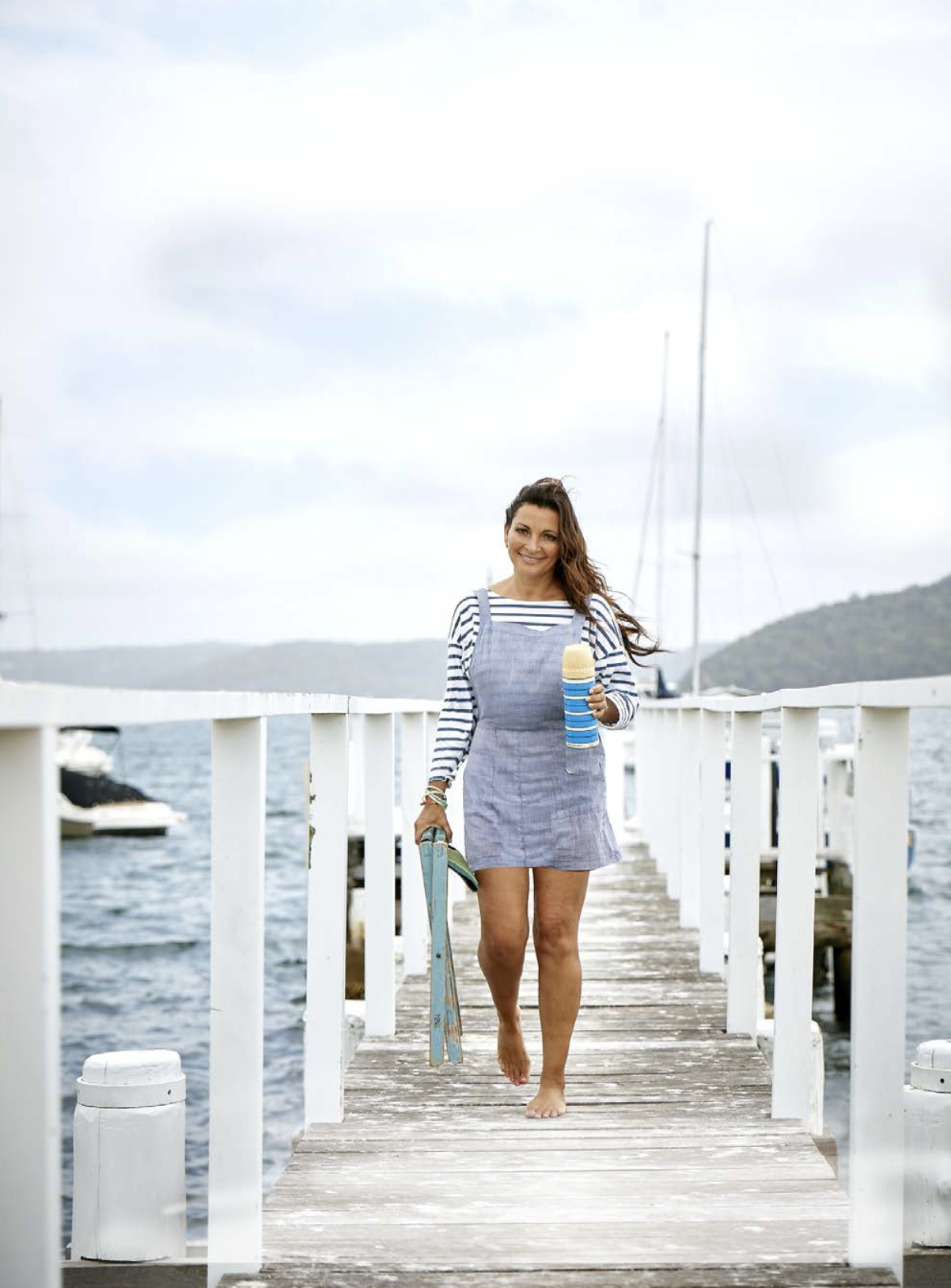
One of the things I learnt through this experience was that the digestive system, like you and I, sometimes needs a little rest to function optimally; this is where intermittent fasting comes in.
Most people who want to try an intermittent fasting approach are;
- Tired of feeling tired
- Keen to hop off the diet rollercoaster for good
- Eager to lose weight and keep the weight off
- Wanting to improve their gut health
- Desiring to rev up their metabolism
- Ready to have more vitality and improvement in their day to day energy levels
If any of the above sound like you, then you might like to consider intermittent fasting. If you’re looking to dive right into intermittent fasting (IF), check out my life-changing fast your way to wellness online program here. I've also written a book with lots of information, meal planners and delicious IF recipes called Fast Your Way to Wellness.
I practice intermittent fasting to give my digestive system some well-needed TLC. Before you panic and hit the red x at the top of your screen, intermittent fasting doesn’t mean you have to stop eating altogether, deprive yourself of food or starve. Intermittent fasting is simply eating less and focusing on nutrient-rich and easy to digest foods. *And, a big exhale from the crowd.
I follow the 5:2 method, where I eat fewer calories two days a week, but various fasting methods are available that can suit your unique needs and lifestyle. As a guide, the daily total calorie intake on fasting days should be around 500 calories for women and 600 calories for men. But there are other IF protocols where calorie consumption is higher. Just do what works for you and find your own number.
When it comes to breakfast, I usually make...
Breakfast

Layered Blueberry Pistachio Parfait
In a hurry? Not a worry. The parfait can be made ahead of time and refrigerated for 4 hours or overnight for the chia seeds to reach full volume. It fills you up and keeps you energised which is helpful when doing (IF). This recipe comes in at 202 calories per serve.
Serves 4
Ingredients:
- 125 ml (4 fl oz/1/2 cup) coconut cream
- 1 tablespoon lime juice
- stevia, to taste (optional)
- 2 tablespoons black chia seeds
- 310 g (11 oz/2 cups) blueberries
- 20 pistachio nut kernels, optional
- finely grated zest of 1/2 lime, optional
Method:
In a medium bowl, mix the coconut cream, lime juice and stevia.
Add the chia seeds and stir to combine. Set aside for 15 minutes to thicken.
Take half the blueberries and distribute them evenly between four glasses.
Distribute the coconut cream mixture evenly between the glasses.
Add another layer of blueberries to each glass.
Top each with five pistachio kernels and a pinch of lime zest, if using.
Serve at room temperature, or refrigerate for 30 minutes to set, then serve.
Supercharged Tip: For juicier blueberries, place them in a small saucepan with two tablespoons of water and cook for 1–2 minutes over low heat until they start to soften.
Drink Throughout the Day
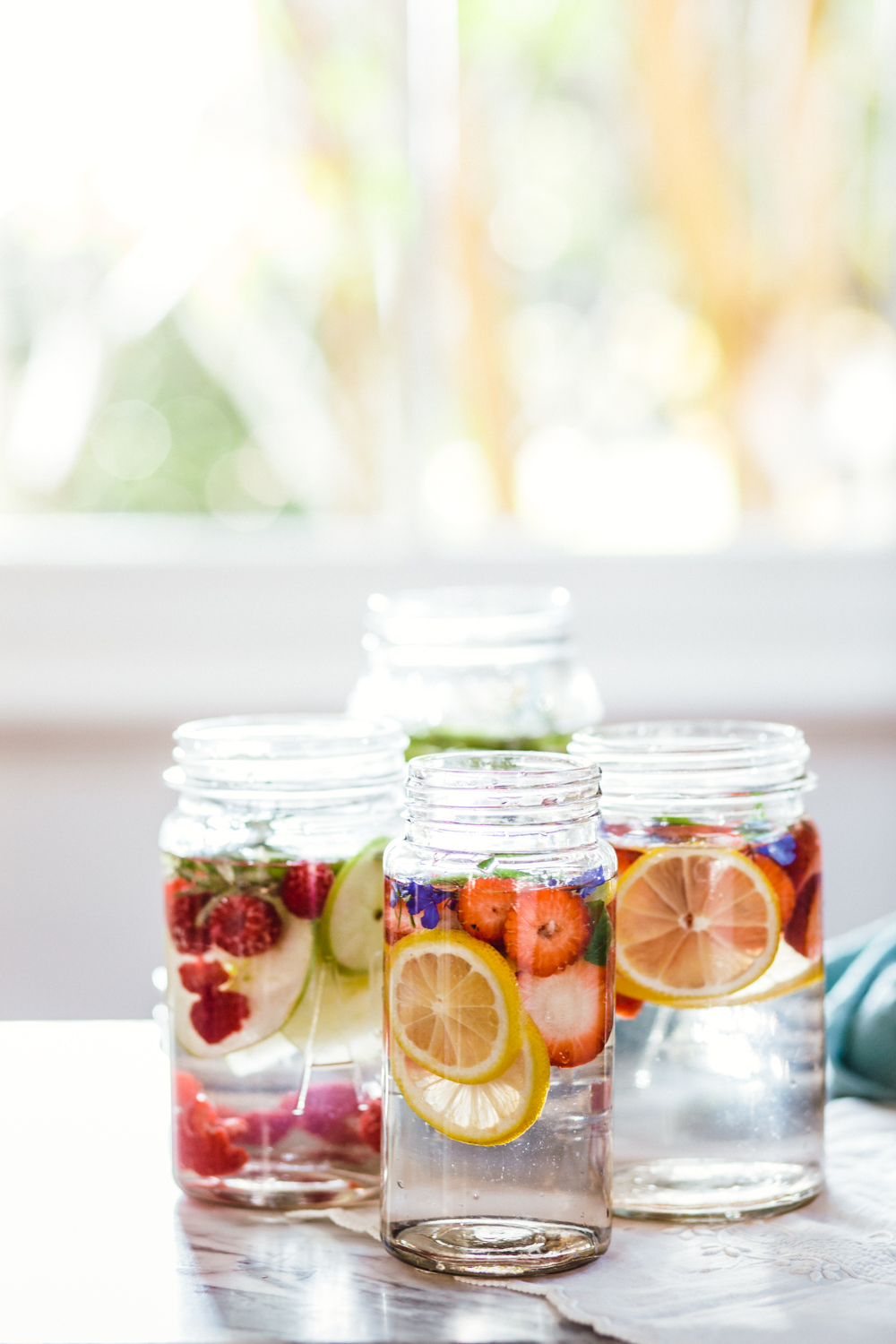
By choosing to intermittent fast, you give your body the gift of healing, regenerating and detoxifying, so you’ll need to drink adequate fluids to help out these processes. Aim to drink at least 2L of water during the day.
Some of my favourite ways to increase your water intake include:
- Bringing a bottle of filtered water with you wherever you go.
- Sipping on herbal tea throughout the day.
- Infusing your water with mint, berries, cucumber or whatever else tickles your fancy to make you want to drink more water.
Lunch
At lunchtime I usually go for a protein based meal...

Minty Zucchini Fritters
Makes 8
To get your metabolism going, these fritters are wonderfully light, delicious, and high in nutrients and thermogenic ingredients such as chilli and paprika. They’re gluten-free, and the addition of mint also makes them very soothing on the digestive system. Make a batch before your fasting day, then warm one up in the oven for lunch. Each fritter is 103 calories.
Ingredients:
- 405 g (14 1/4 oz/3 cups) grated zucchini (courgette)
- 2 tablespoons chopped chives
- 15 g (1/2 oz/1/4 cup) chopped mint
- 1/2 teaspoon chilli flakes
- 1/4 teaspoon paprika
- finely grated zest of 1 lime
- 1 tablespoon lime juice
- 2 medium eggs, lightly whisked
- 155 g (5 1/2 oz/1 cup) brown rice flour
- 1 teaspoon baking powder
- Celtic sea salt and freshly ground black pepper, to taste
- 1 teaspoon extra virgin coconut oil or coconut oil spray
Method:
Using your hands, squeeze any excess liquid from the zucchini, then put it in a large bowl.
Add the chives, mint, chilli, paprika, lime zest and juice, and eggs. Stir to combine.
In a separate medium bowl, combine the flour, baking powder, salt and pepper. Add the dry ingredients to the wet ingredients and mix well.
Heat a few drops of coconut oil in a medium frying pan over medium heat, then drop heaped tablespoons of batter into the pan.
Cook on each side for 3–5 minutes, or until golden. Repeat with the remaining batter.
Dinner is generally a veggie heavy meal with lots of flavour. I tend to eat earlier around 5pm or 6pm, then have breakfast later the next day.
Dinner
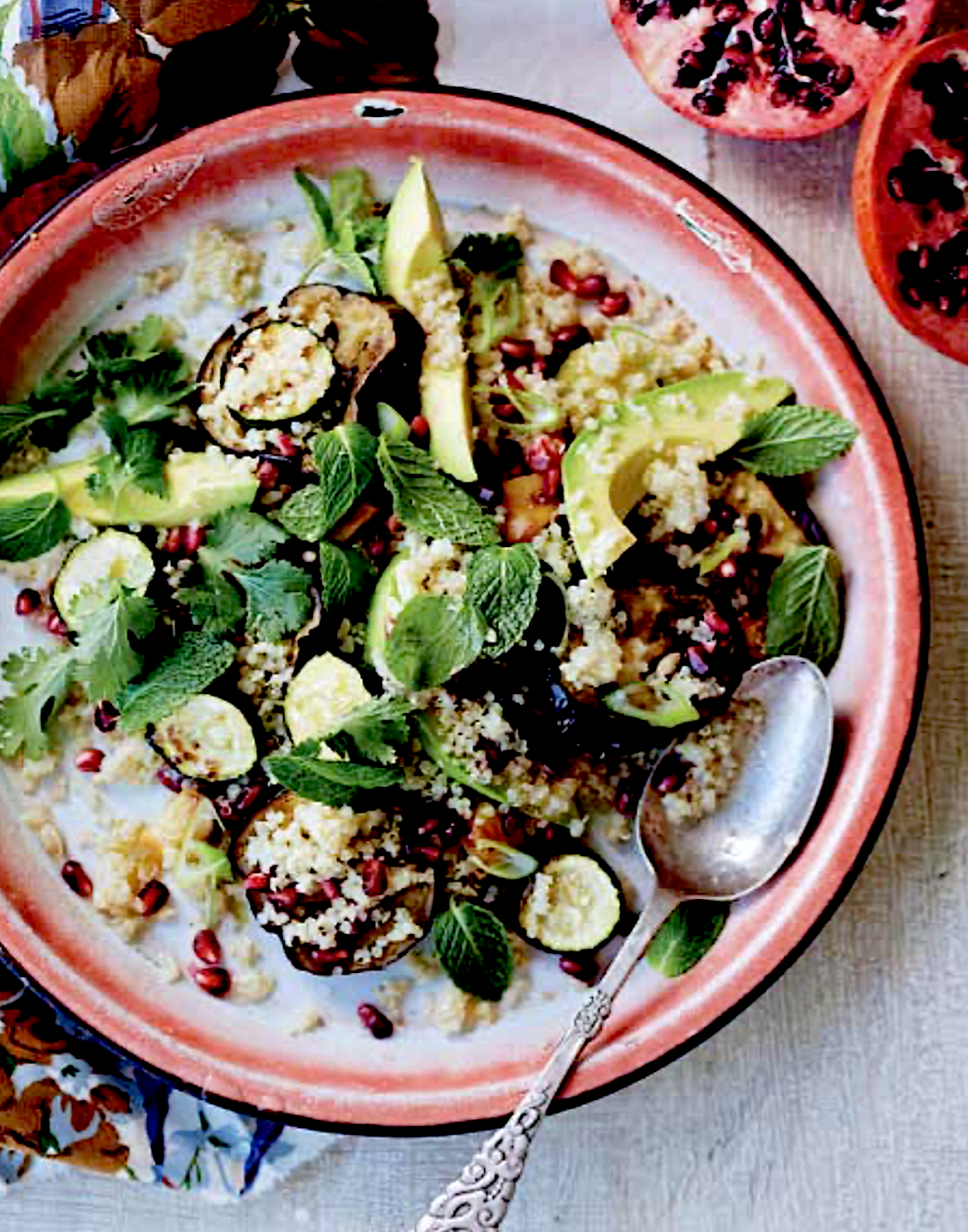
Sweet Sicilian Caponata
Caponata is a glorious Sicilian dish that consists of eggplant, other vegetables, celery, olives and capers in a divine sauce. It’s the perfect dish to round out a fasting day and weighs in at 138 calories per serving.
Serves 2
Ingredients:
- 1 teaspoon extra virgin olive oil
- 350 g (12 oz) eggplant (aubergine), cut into dice
- 125 ml (4 fl oz/1/2 cup) filtered water, plus extra as needed
- 1 small zucchini (courgette), cut into dice
- 1 celery stalk, chopped
- 1/2 large brown onion, diced
- 1 large tomato, chopped
- 1 tablespoon capers, rinsed
- a small handful of green olives, sliced
- 2 tablespoons apple cider vinegar
- 1 teaspoon dried thyme
- a handful of basil leaves
- freshly ground black pepper, to taste
Method:
Heat the oil in a large frying pan over medium heat.
Add the eggplant and cook for 5–6 minutes, or until soft.
Add the water, a little at a time, to prevent the eggplant from sticking to the pan.
While the eggplant is cooking, put the zucchini, celery, onion and tomato in a saucepan with a large splash of filtered water.
Cook for 15–20 minutes until the zucchini is tender. Add the cooked eggplant with the capers, olives, apple cider vinegar and thyme, then cook for a further 5 minutes.
Serve topped with basil and pepper.  If you’re ready to take the fasting leap, but still a little sceptical about the benefits of intermittent fasting, I’ve got your back! Research studies show intermittent fasting can;
- Reduce triglycerides and LDL cholesterol
- Reduce inflammation and heightened blood pressure
- Reduce free radical damage
- Increase fat burning and your metabolic rate
- Improve the bacteria in your gut
- Lower your blood glucose and normalise insulin levels
- Normalise ghrelin (the hunger hormone) for better appetite control
I don’t know about you, but that sounds pretty good to me!
Not only does my Fast Your Way to Wellness program include delicious healing recipes like the ones above, but it also contains critical tools to show you how to implement intermittent fasting and self-care routines into your weekly life.
Over the six-week plan, you’ll discover:
- What your cravings mean and how to knock them back.
- Self-care practices that work.
- How to practice portion control.
- My tips on cleaning out your pantry and enjoy foods that benefit your health without restriction.
- How to re-wire your brain for complete wellness.
And so much more!
If you’re ready to heal your gut, brain and body and give it time to reboot and recover, head here to join Fast Your Way to Wellness.
We recommend taking this intermittent fasting quiz to find out which method is the best for you.

Have you ever tried intermittent fasting? What’s your favourite method and did it help you? Let me know your experiences in the comments below.