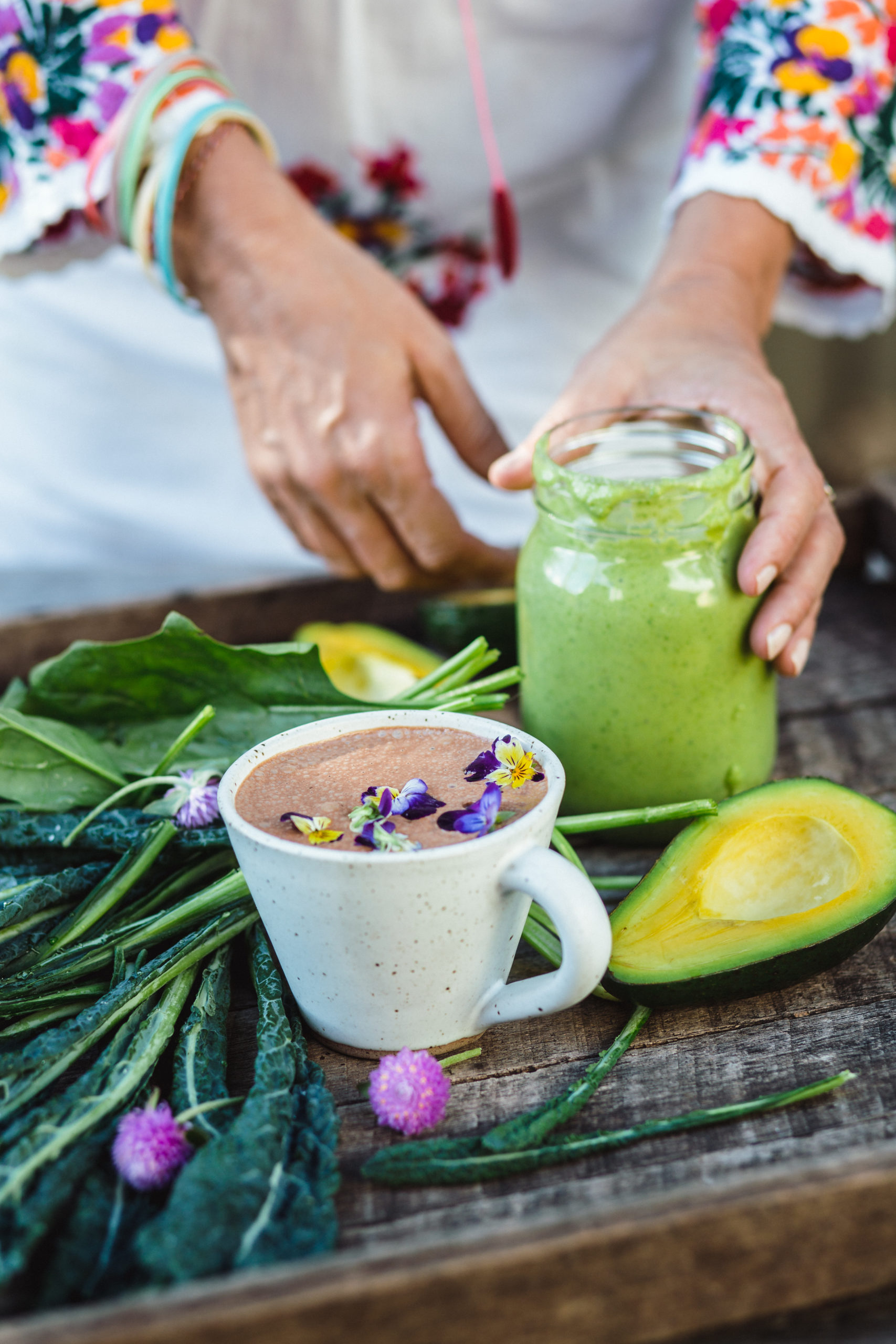
If you're a lover of smoothies, but bored with the same old bananas, berries or greens, I've got some great news for you. If you're keen to switch things up and supercharge your nutrition even further, then read on...
I'd love to introduce you to our brand-new resident herbalist and naturopath Sulin Sze who'll be sharing some wonderful information about herbalism and naturopathy.
You can read more about Sulin and her qualifications here.
Over to you Sulin...
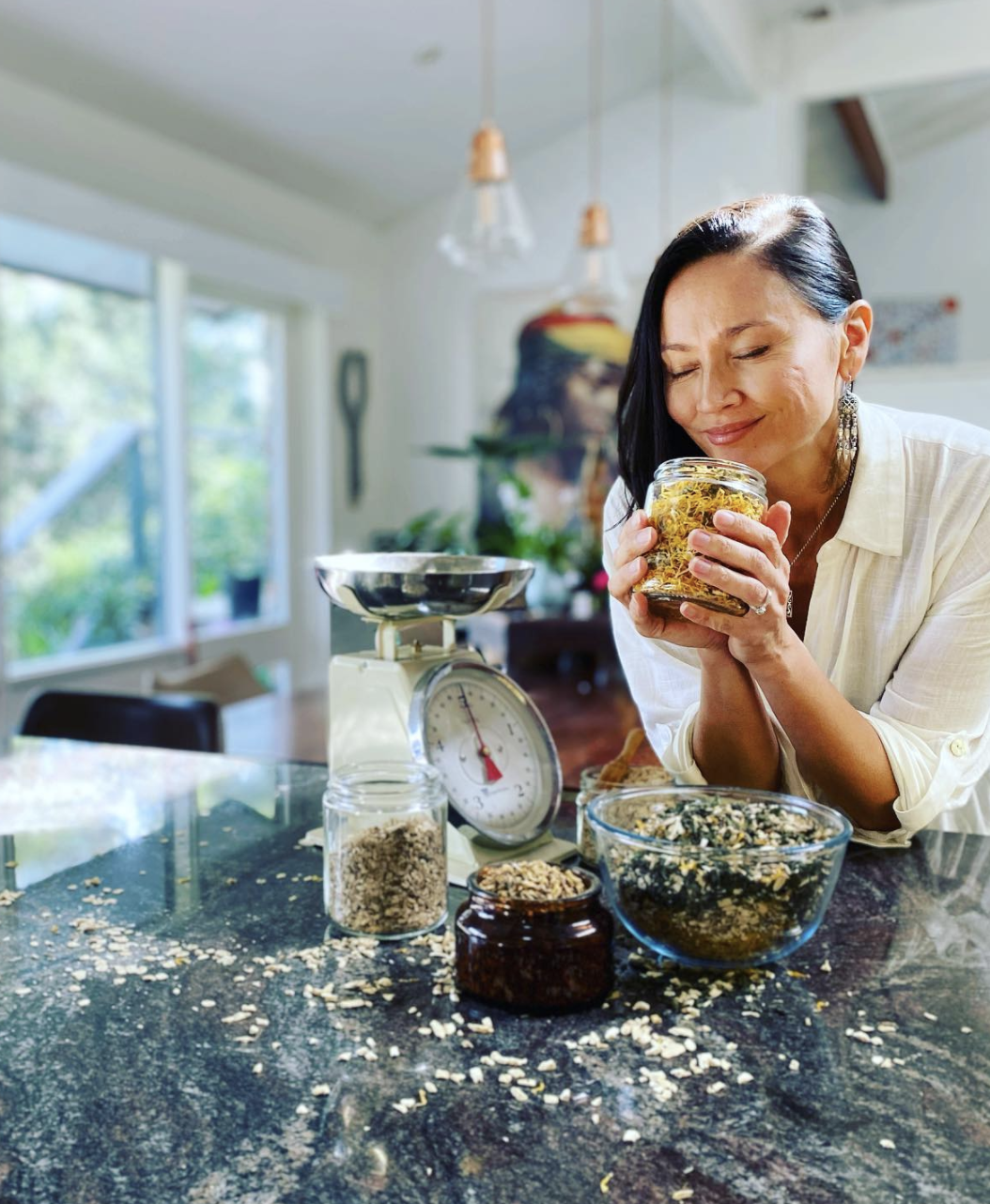
Using herbal medicines in your cooking and smoothie making is a simple and fun way to turn your everyday smoothie into a super-healer. So I’m going to introduce you here to my top five healing herbs to use in smoothies, and show you what parts to use and how much. Exciting right?
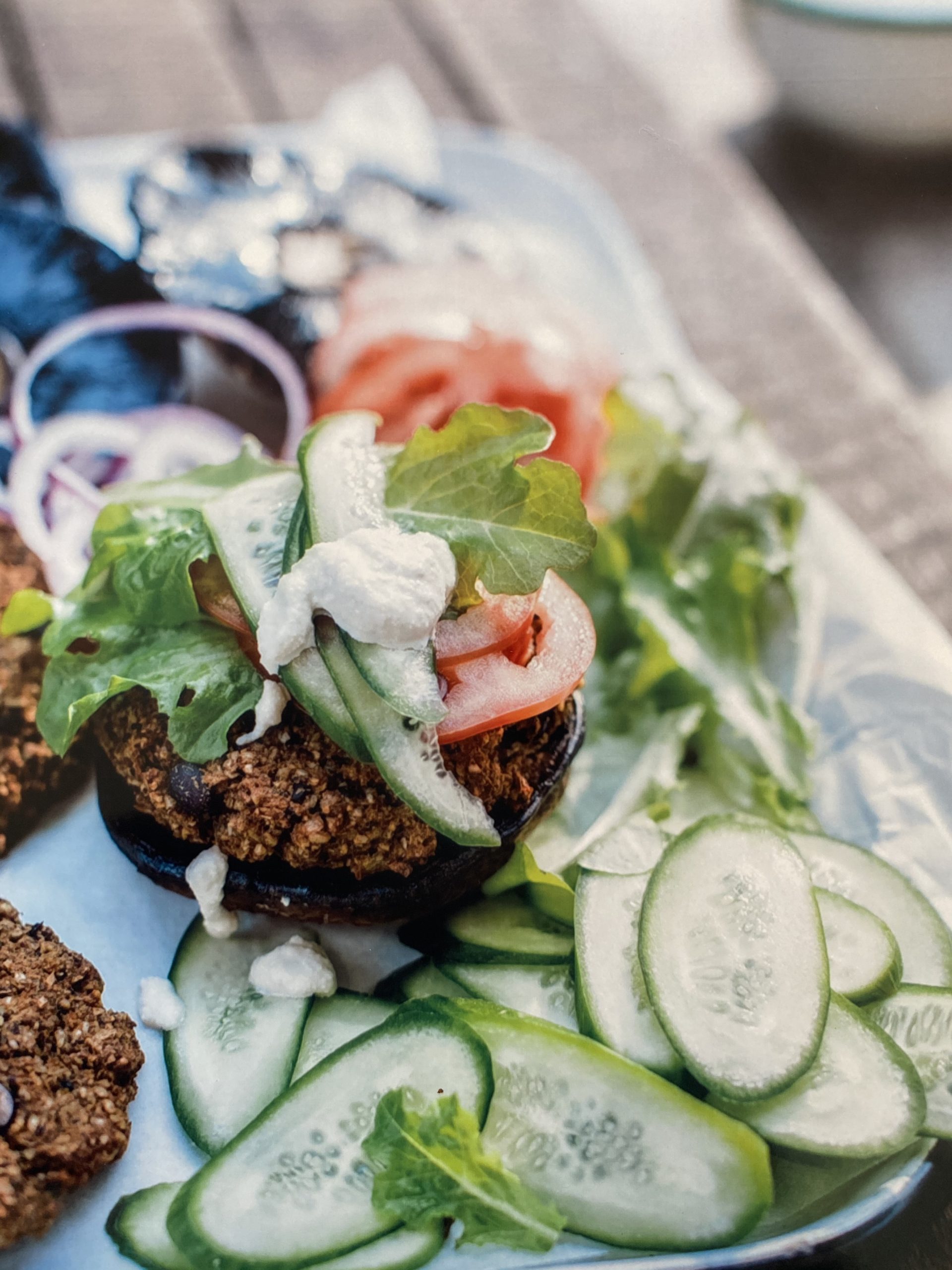
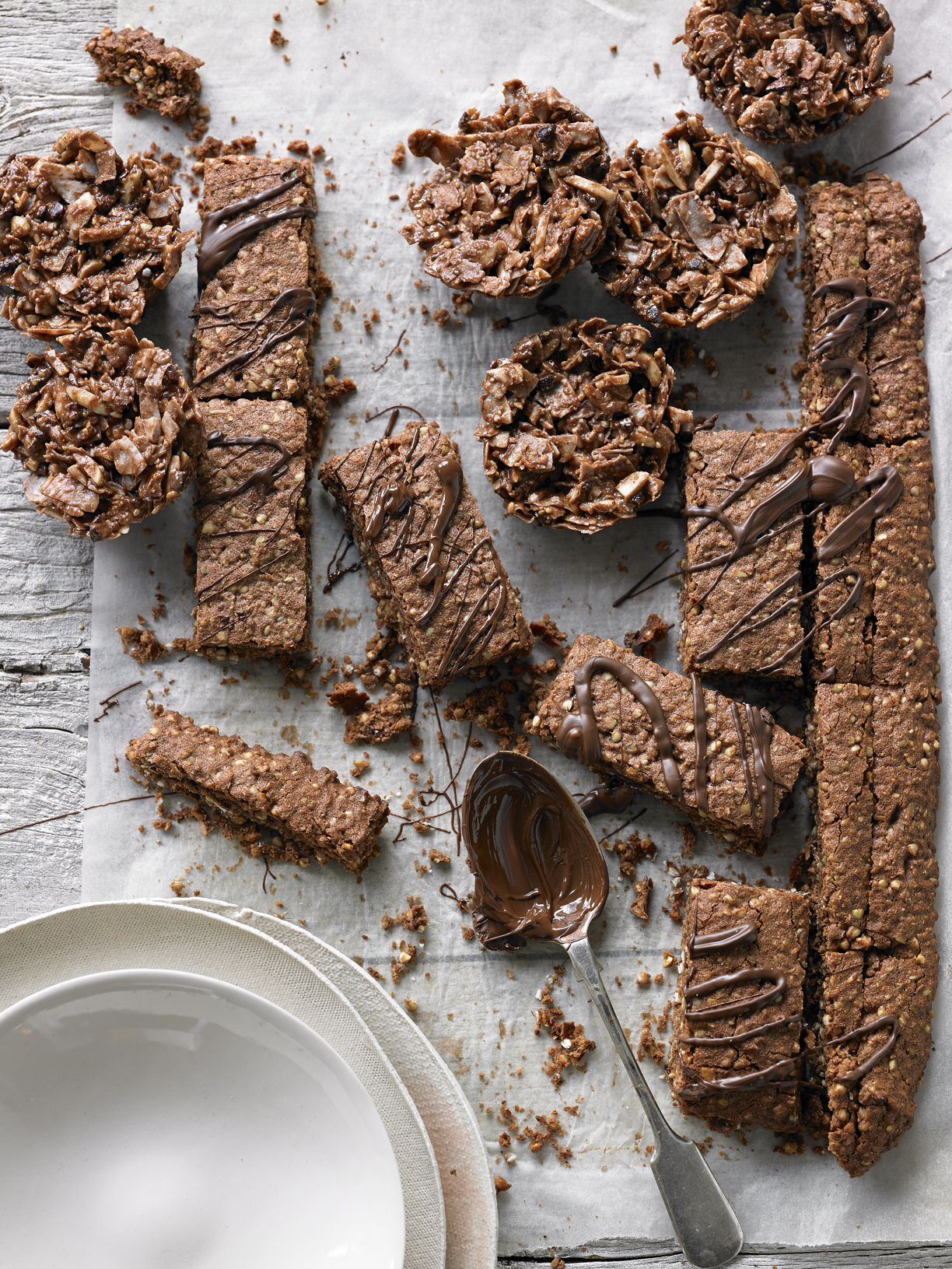
Everybody can make a herbal infusion. They’re prepared by adding fresh or dried herbs to a liquid like water or milk. Sometimes they’re made with oils as well, but often that’s more as a way of preparing ointments and creams. I use infusions ALL THE TIME (#infusionqueen) in my kitchen, as medicines, in drinks and in foods as well. For example the gluten-free seed loaf below uses a base of Nettle infusion so it’s even richer rich in minerals, vitamins and protein. Sound good?
Read on and I’ll tell you all about Nettle and more.
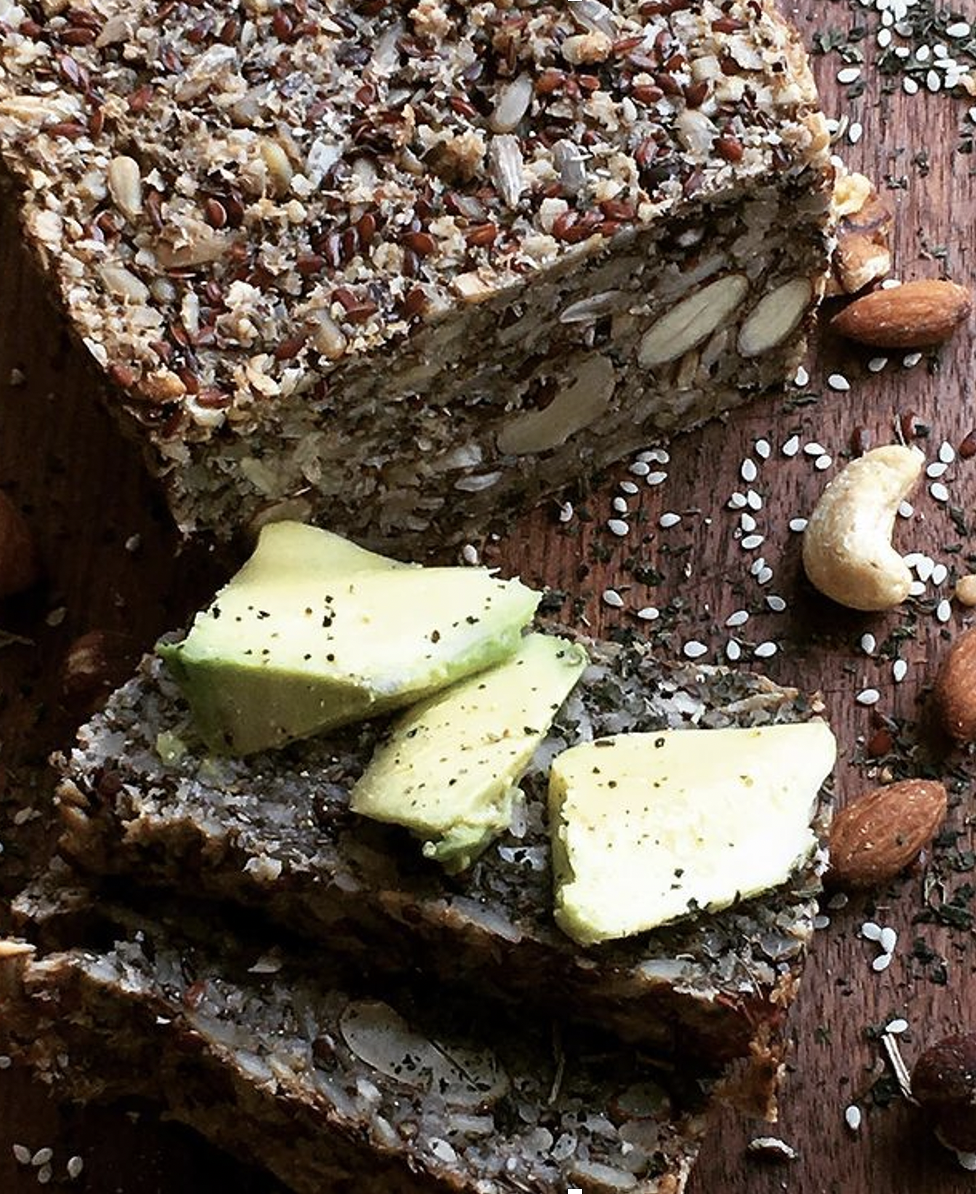
Photo credit: Sulin Sze (2019)
One of my favourite ways to use infusions is in smoothies. Simply replace the water or milk in your recipe with a cooled infusion and you’re ready to go. It’s as easy as that!
So let’s look at my top herbs to use in infusions and get you started. I’ll be breaking down the best way to prepare each one in an infusion to maximise your extract quality. Not all herbs like hot water. Some like it cold, some like milk. Anyone interested in learning more on infusion techniques can check out my dedicated infusions webinar here.
In this post we will be exploring different smoothie themes:
- Boosting your Beauty with Stinging Nettle
- Boosting your Brains with Ginkgo biloba
- Healing your Digestive System with Calendula
- Calming your sweet soul with Chamomile
- And a glow-inducing Women’s health booster with Shatavari
Now it’s time to ramp up your smoothie repertoire!
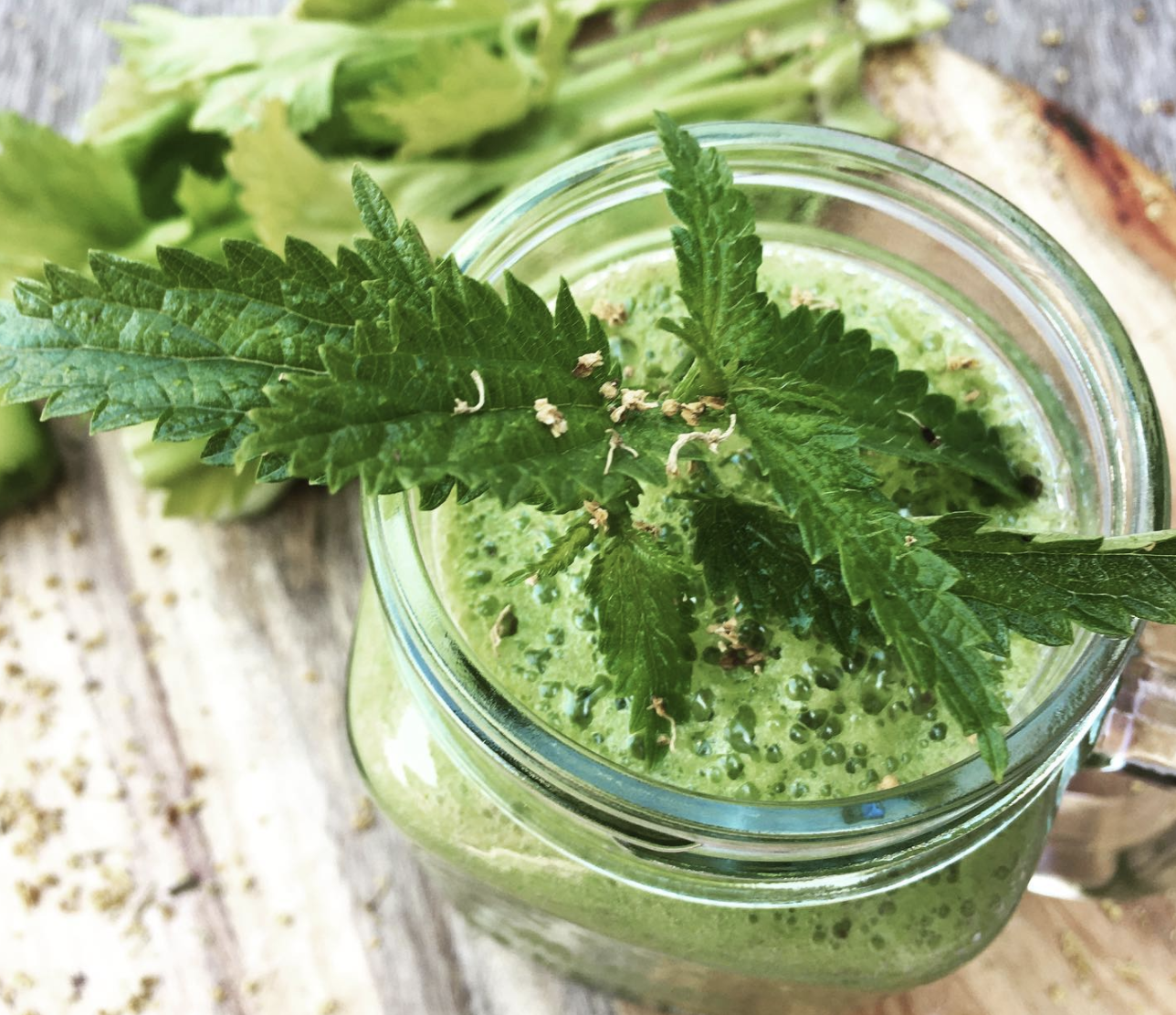
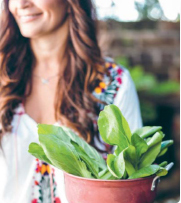
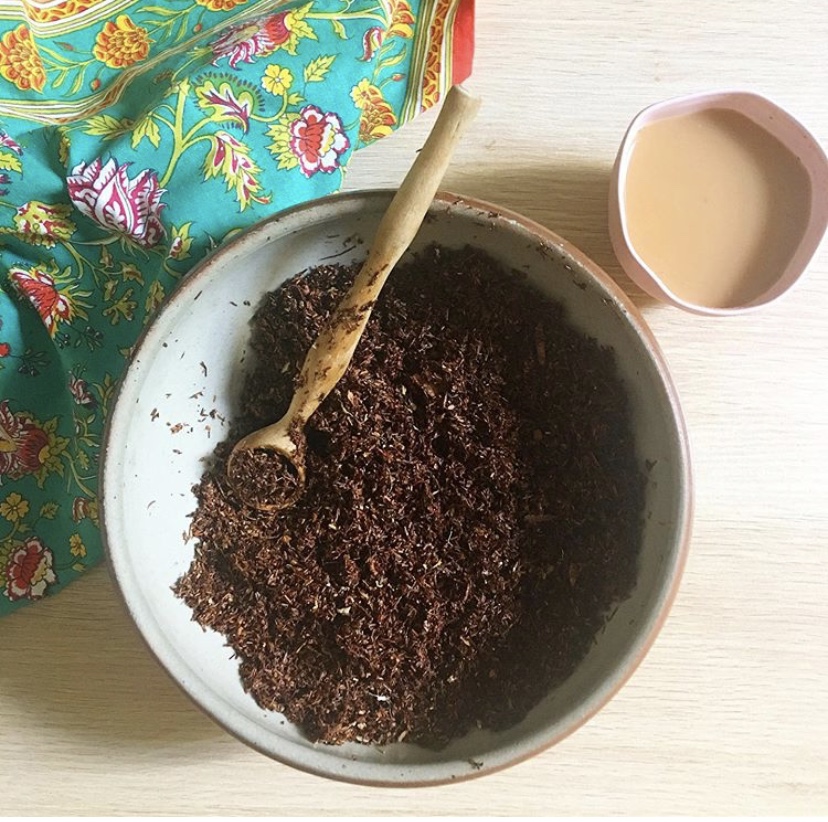
Photo credit: Sulin Sze (2019) Stinging Nettle is great in smoothies, consider adding the fresh herb or an infusion of the dried leaves to your next morning smoothie for a green multivitamin booster.
- Beauty with Urtica dioica - Stinging Nettle (leaf)
Benefits: Detoxifying – Antioxidant – Blood Sugar Lowering – Nutrition Boosting
Let me introduce you to one of my favourite nourishing, anti-aging herbs that also happens to cleanse your blood and support healthy blood sugar regulation. It’s Stinging Nettle, and it contains a plethora of vitamins including vitamins A, B, E, C, K and P along with the minerals selenium, zinc, iron, calcium and magnesium.
It also contains lots of protein (in effect, lots of amino acids) to help you build your neurochemicals like dopamine and serotonin. Along with the ample protein content, the herb contains coumarins, fatty acids, antioxidants that fight free radicals and the amazing quercetin (which is thought to inhibit the activity of elastase and collagenase, enzymes that break down collagen and reduce skin elasticity. And we don’t want that!)
I prescribe Nettle regularly to clients in clinic for a range of conditions from acne, rheumatism and hair loss to pre-diabetes. A 2019 systematic review of nettle in diabetes revealed the herb can assist in control blood sugar levels in type two diabetic patients. According to the Australian Institute of Health and Welfare (AIHW) 1.2 million Australian reported having diabetes in 2017/2018 with the condition contributing to 11% of deaths nationwide during that time. Bringing in a herb that fights ageing and helps manage blood sugars is a good thing!
Try adding 1 Tbsp of dried Stinging Nettle leaves to a cup of water. Leave it in the fridge overnight to infuse slowly. No need to use hot water. However, if you’re pressed for time, pop the leaves into hot, boiled water and sit for 15 minutes, then cool in the fridge until you’re ready to make that beauty boosting smoothie.
I recommend Nettle infusion + Spinach or Kale leaves + Pineapple (fresh or frozen) + vitamin C powder + Collagen powder
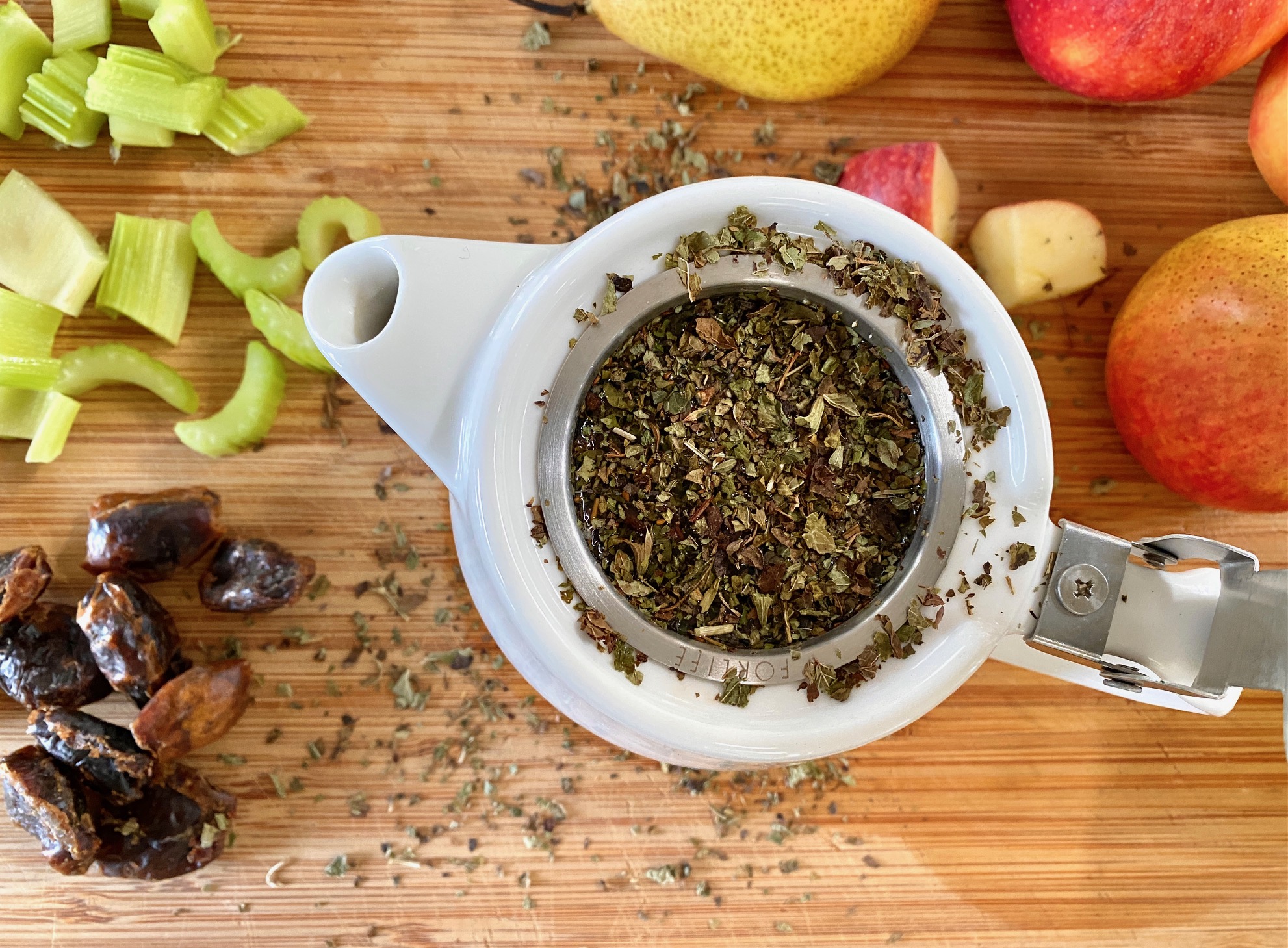
- Brains with Ginkgo biloba - (Ginkgo) leaves
Benefits: Antioxidant – Cognition Boosting – Memory Enhancing
Who wouldn’t love a little more focus, memory and cognition? I’m a full-time parent and worker and I couldn’t live without my Ginkgo! It keeps me clear-headed and helps me get through my daily ‘to do’ list with grace 😊
Herbalists use the leaves of the Ginkgo tree to enhance memory and cognition and to reduce oxidative damage to the brain. So this herb is perfect for a morning smoothie with a cleansing action that might also include celery, greens, chlorophyll and a touch of dates (because well, sweet dates ground the blend and your brain thrives on a little natural sugar in the morning.)
Ginkgo improves brain function by acting as an antioxidant and protecting cell membranes from reactive oxygen species (ROS) that cause the breakdown of important neurotransmitters like acetylcholine, which play a role in memory and cognition. Depletion of acetylcholine is associated with conditions like Alzheimers and Dementia. High level scientific evidence suggests that Ginkgo is an effective herb in improving cognitive health in Alzheimers and Dementia, and is safe and useful when taken long term (6 months and more). Infuse 1 Tbsp dried Ginkgo leaves in hot water and steep for 15-30 minutes. Strain and store in the fridge until you’re ready to make your smoothie. If you take blood thinning medication, check with your Doctor before taking Ginkgo as it theoretically can slow blood clotting.

Ginkgo infusion with celery, apple, dates and pear
I suggest Ginkgo leaves infusion + celery + apple + chlorophyll + dates in the morning. You could also do celery + apple + dates + pear.

- Gut healing with Calendula officinalis (Calendula)
Healing – Lymphatic booster – Anti-inflammatory – Anti-microbial
You really step into the realm of gut healing with you start working with Calendula. This plant is anti-inflammatory, anti-fungal and mildly anti-microbial, and has a resinous, sweet and warm taste. It’s the perfect soothing addition to any gut smoothie, particularly a sweet one because the quality of sweet has an affinity with the digestive system, which is where we want to send those delicious healing nutrients.
Calendula contains chemicals in its volatile oil that fight bacteria and fungi like Candida albicans (a pathogen that causes thrush). A 2000 study of Calendula on various fungal pathogens demonstrated efficacy similar to standard antibiotics, while a 2016 trial found Calendula cream provided longer term benefits in thrush compared to conventional anti-fungal applications. Other chemicals in the plant like the saponins and flavonoids reduce inflammation and calm the gut lining, as well as supporting healthy immune function.
The flavonoids calm down angry, inflamed and damaged mucous membranes, helping them repair. The lining of the gut is central in gut health for harbouring healthy bacteria and flora, protecting the gut lumen against damage and participating in the exchange of nutrients into and out of the digestive tract. Issues with mucous membranes such as damage or breakage, can translate into conditions like leaky gut, ulcerative colitis and immune dysfunction. Even if you don’t have a gut condition, you can enhance and support your gut health with herbs like Calendula to harness your inner glow.
To make Calendula infusion add 2-3 Tbsp dried flowers or petals to hot boiled water. Cover (to retain the volatile oil) and leave to infuse for 15 – 30 minutes. Then strain and store in the fridge until you’re ready to make your digestive system healing smoothie.
I recommend Calendula flower infusion + strawberry+ cucumber + apple/pear + coconut yoghurt + L-Glutamine powder + your favourite probiotic powder.
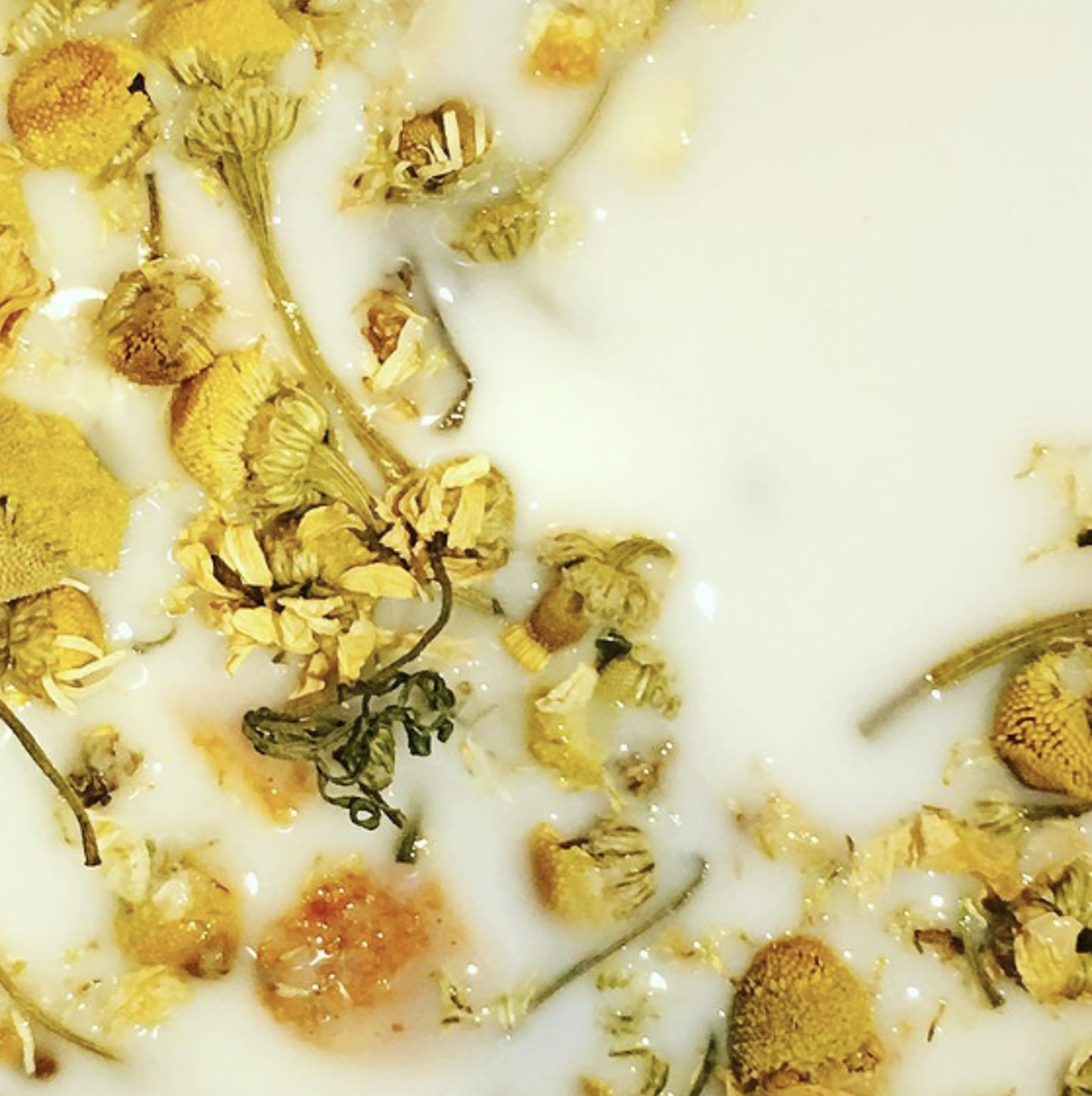
Photo credit: Sulin Sze (2019) I LOVE Chamomile lattes, and what better way to use them than in a super luxurious smoothie the next day! Consider preparing a Chamomile milk before bed to help you sleep, and putting aside half a cup for your smoothie the next morning.
- Calming with Matricaria recutita (German Chamomile) flowers
Soothing – Digestion enhancing – Sedative (mild) – Anti-inflammatory
Chamomile is an aromatic hug for the digestive system, so call on it whenever you experience digestive cramps, sluggishness, diarrhoea, nausea, anxiety or stress. The latter can aggravate and trigger digestive symptoms. Herbalists use Chamomile to relieve inflammation and spasm, likely due to the flavonoids and coumarins that the plant contains. Other nutrients this warm and slightly bitter plant provide include vitamin C, iron, zinc and calcium.
However, Chamomile also has a volatile oil that is popular worldwide in topical products for its calming action. (Note: don’t ingest the essential oil or add it to your smoothie.) Other medicinal actions of Chamomile include anti-oxidant, analgesic (pain relieving) and anti-bacterial.
I love Chamomile for its relaxing and digestion-soothing qualities and this is in part due to its magnesium content. So I recommend using Chamomile in an afternoon smoothie, especially good for kids. Use 1 Tbsp of dried Chamomile flowers in hot boiled water, leaving covered to infuse for 15-30 minutes. Strain and then pop in the fridge to cool until you are ready to make your smoothie.
Chamomile is a bitter herb so if you leave it to infuse for more than 30 minutes, use half the amount. If you’re like me and you prefer to luxuriate in your smoothies, then pop 1 Tbsp Chamomile flowers into a saucepan with 250 mL of your favourite gut loving milk (oat, almond, whatever you like) and gently warm on medium heat for 15 minutes. Stir occasionally and keep covered as much as possible. Strain and store in the fridge until you’re ready to make your smoothie.
I suggest trying Chamomile milk + Banana + Mango + Honey + Yoghurt
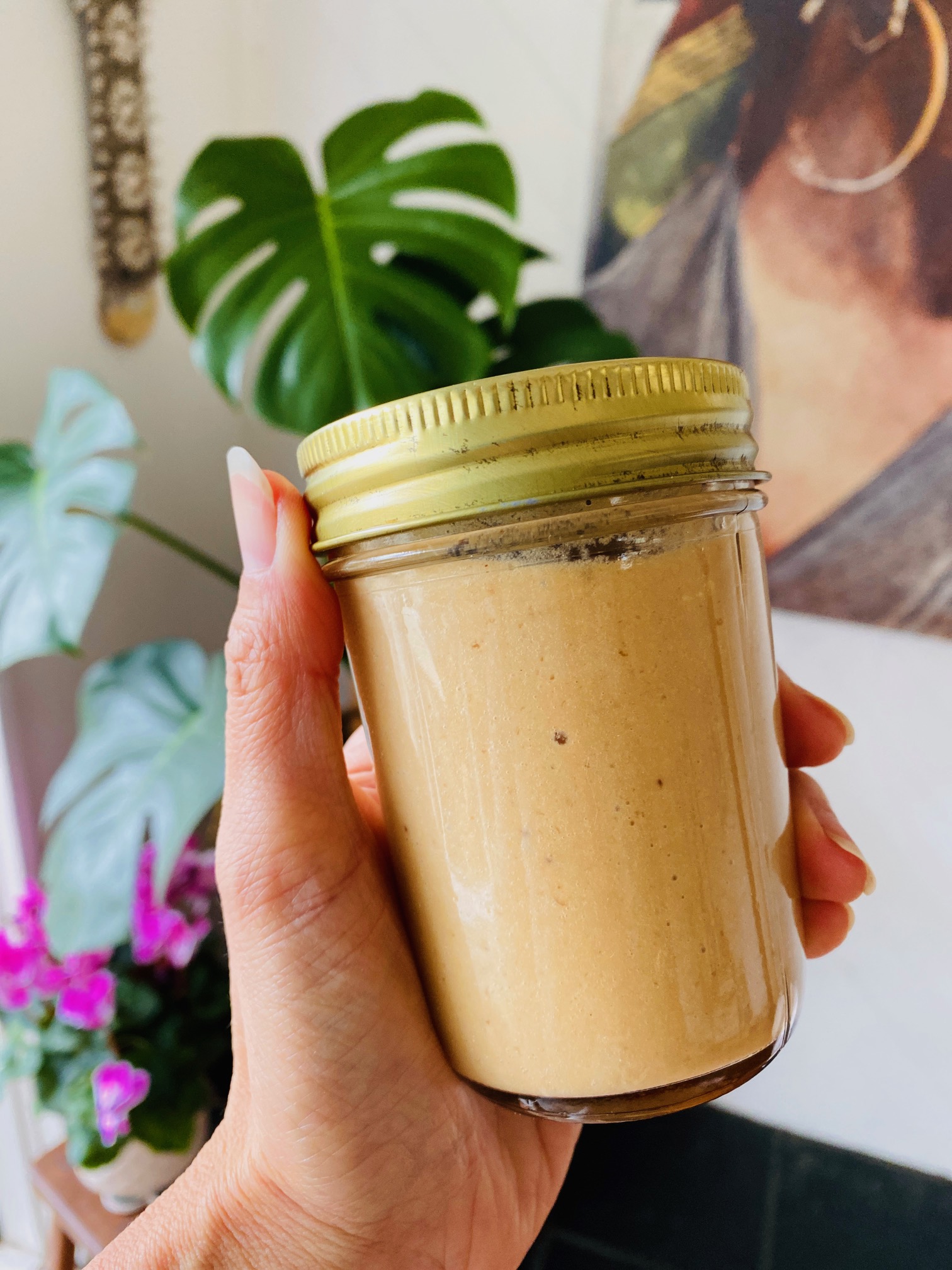
- Women’s health booster with Asparagus racemosus (Shatavari) in milk
Rejuvenating – Women’s Tonic (“Queen of the Herbs” in Ayurveda) – Adaptogen (Adrenal enhancer)
A lot of my clients are women looking to be the best version of their 40 and 50 something selves. I work with them on balancing and boosting hormonal health, particularly in perimenopause and beyond, because by this time of our lives, we’ve often run our adrenals pretty hard. Even if you’re not feeling like you need a booster, you can still enjoy the harmonising benefits of this ancient Ayurvedic herb! I’m talking about Shatavari (translated from the Sanskrit as something like ‘woman with a hundred husbands’). You get the idea!
Shatavari is rich in compounds called steroidal saponins and they have a beneficial effect on steroid hormone health in humans, especially women. Herbalists use Shatavari partly to improve stress response, and is useful in peri-menopause and menopause where women are at a higher risk of anxiety, sleep disturbance, mood swings and depression. Fear not! We have Shatavari.
It’s also rich in plant oestrogens known as isoflavones (think along the lines of soybeans with their beneficial effects in menopause) along with the minerals zinc, manganese, copper, calcium, magnesium, potassium and selenium. Sounding a bit of a miracle plant so far!
I love so much about Shatavari, and I use it to boost adrenal function, improve hormonal status, reduce the symptoms of depression and support new mums. A 2011 study revealed that daily use of Shatavari in nursing mothers increased their prolactin (and thus milk production) levels three-fold, proving the ancient use of this herb as a lactation booster. I also love the nutty, sweet taste of this herb which blends superbly in milk with a dash of honey.
I suggest adding 2 tsp of Shatavari powder to 2 cups of milk and warming gently on the stove in a small saucepan. Strain and its ready to drink. Drink one cup if you like, and pop the other cup in the fridge so that it can cool down for your next smoothie. It’s best in the morning and loves a lashing of cinnamon powder on top 😉.
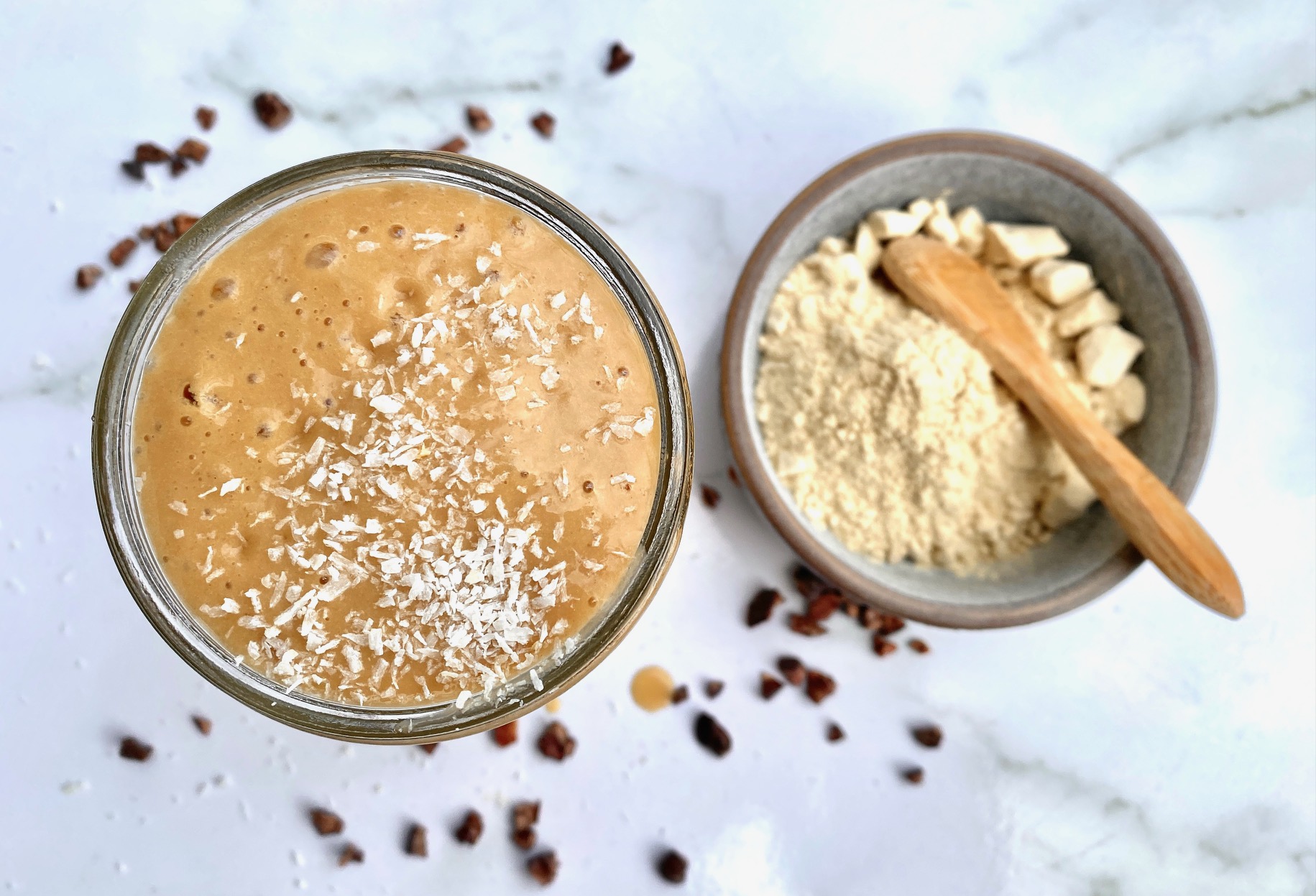
Shatavari milk smoothie with cacao, banana and mango
I suggest trying Shatavari milk + Banana and/or Mango + Avocado + Cacao powder + Collagen powder + Chia seeds
I hope I’ve inspired you to break out into the world of herbalism with your smoothies routine. They are powerful healers and a great example of where simple is best! Enjoy!
X Sulin
Special Offer:

Feeling inspired? Want to take your infusions to the next level? Find out how in “Art of the Infusion” the only webinar that is specifically based on infusion making, at wildmedicineacademy.com bringing together my expert knowledge of herbal medicine, formulating and of course, infusion preparation. www.wildmedicineacademy.com
Research
Bourgeois C, Leclerc ÉA, Corbin C, Doussot J, Serrano V, Vanier JR, Seigneuret JM, Auguin D, Pichon C, Lainé É, Hano C. Nettle (Urtica dioica L.) as a source of antioxidant and anti-aging phytochemicals for cosmetic applications. Comptes Rendus Chimie. 2016 Sep 1;19(9):1090-100.
Semalty M, Adhikari L, Semwal D, Chauhan A, Mishra A, Kotiyal R, Semalty A. A comprehensive review on phytochemistry and pharmacological effects of stinging nettle (Urtica dioica). Current Traditional Medicine. 2017 Dec 1;3(3):156-67.
Kianbakht S, Khalighi-Sigaroodi F, Dabaghian FH. Improved glycemic control in patients with advanced type 2 diabetes mellitus taking Urtica dioica leaf extract: a randomized double-blind placebo-controlled clinical trial. Clin Lab. 2013 Jan 1;59(9-10):1071-6.
Ziaei R, Foshati S, Hadi A, Kermani MA, Ghavami A, Clark CC, Tarrahi MJ. The effect of nettle (Urtica dioica) supplementation on the glycemic control of patients with type 2 diabetes mellitus: A systematic review and meta‐analysis. Phytotherapy Research. 2020 Feb;34(2):282-94.
Adhikari BM, Bajracharya A, Shrestha AK. Comparison of nutritional properties of Stinging nettle (Urtica dioica) flour with wheat and barley flours. Food science & nutrition. 2016 Jan;4(1):119-24.
Rutto LK, Xu Y, Ramirez E, Brandt M. Mineral properties and dietary value of raw and processed stinging nettle (Urtica dioica L.). International journal of food science. 2013 Oct;2013.
Kregiel D, Pawlikowska E, Antolak H. Urtica spp.: Ordinary plants with extraordinary properties. Molecules. 2018 Jul;23(7):1664.
Singh O, Khanam Z, Misra N, Srivastava MK. Chamomile (Matricaria chamomilla L.): an overview. Pharmacognosy reviews. 2011 Jan;5(9):82.
Chauhan ES, Aishwarya J. Nutraceutical Analysis of Marticaria recutita (Chamomile) Dried Leaves and Flower Powder and Comparison between Them. International Journal of Phytomedicine. 2018;10(2):111-4.
Crane PR, Crane P, von Knorring P. Ginkgo: the tree that time forgot. Yale University Press; 2013 Mar 19.
Cohn R. Ginkgo: The Life Story of the Oldest Tree on Earth. Interview published in Yale Environment, 2013, 360.
Thomsen, M and Gennat, H. Phytotherapy: Desk Reference. Global Natural Medicine; 2009. Australia
Fermino BA, Milanez MC, de Freitas GB, da Silva WC, Pereira RP, da Rocha JB, Bonini JS. Ginkgo biloba L.: Phytochemical components and antioxidant activity. African Journal of Pharmacy and Pharmacology. 2015 Oct 15;9(38):950-5.
Alok S, Jain SK, Verma A, Kumar M, Mahor A, Sabharwal M. Plant profile, phytochemistry and pharmacology of Asparagus racemosus (Shatavari): A review. Asian Pacific journal of tropical disease. 2013 Apr 1;3(3):242-51.
Sharma A, Sharma DN. A comprehensive review of the pharmacological actions of Asparagus racemosus. Am. J. Pharm. Tech. Res. 2017;7(1).
Gupta M, Shaw B. A Double-Blind Randomized Clinical Trial for Evaluation of Galactogogue Activity of Asparagus racemosus Willd. Iranian journal of pharmaceutical research: IJPR. 2011;10(1):167.
Bromberger JT, Kravitz HM, Chang Y, Randolph Jr JF, Avis NE, Gold EB, Matthews KA. Does risk for anxiety increase during the menopausal transition? Study of Women's Health Across the Nation (SWAN). Menopause (New York, NY). 2013 May;20(5):488.
Kulkarni J. Perimenopausal depression–an under-recognised entity. Australian prescriber. 2018 Dec;41(6):183.
Weinmann S, Roll S, Schwarzbach C, Vauth C, Willich SN. Effects of Ginkgo biloba in dementia: systematic review and meta-analysis. BMC geriatrics. 2010 Dec;10(1):1-2.
Hashiguchi M, Ohta Y, Shimizu M, Maruyama J, Mochizuki M. Meta-analysis of the efficacy and safety of Ginkgo biloba extract for the treatment of dementia. Journal of pharmaceutical health care and sciences. 2015 Dec;1(1):1-2.
Liu H, Ye M, Guo H. An updated review of randomized clinical trials testing the improvement of cognitive function of Ginkgo biloba extract in healthy people and Alzheimer’s patients. Frontiers in pharmacology. 2020 Feb 21;10:1688.
Zhou Y, Zeng R. Effects of Ginkgo biloba extract on anticoagulation and blood drug level of warfarin in healthy wolunteers. Zhongguo Zhong yao za zhi= Zhongguo zhongyao zazhi= China journal of Chinese materia medica. 2011 Aug 1;36(16):2290-3.
Stoddard GJ, Archer M, Shane-McWhorter L, Bray BE, Redd DF, Proulx J, Zeng-Treitler Q. Ginkgo and warfarin interaction in a large veterans administration population. InAMIA Annual Symposium Proceedings 2015 (Vol. 2015, p. 1174). American Medical Informatics Association.
Johansson ME, Sjövall H, Hansson GC. The gastrointestinal mucus system in health and disease. Nature reviews Gastroenterology & hepatology. 2013 Jun;10(6):352.
Kasiram K, Sakharkar PR, Patil AT. Antifungal activity of Calendula officinalis. Indian Journal of Pharmaceutical Sciences. 2000;62(6):464.
Saffari E, Mohammad-Alizadeh-Charandabi S, Adibpour M, Mirghafourvand M, Javadzadeh Y. Comparing the effects of Calendula officinalis and clotrimazole on vaginal Candidiasis: A randomized controlled trial. Women & health. 2017 Nov 26;57(10):1145-60.

 Over 2000 years ago, Hippocrates suggested that all disease begins in the gut, and you know what? I have a gut feeling he was onto something.