If you've wondered near and far for a suitable way of eating but you tend to find yourself swinging from one popular diet to another, then this post might help?
When there are just too many diets to choose from, it may seem like it's the time to just throw in the towel, stop trying to be healthier altogether and grab a piece of chocolate cake. I'm here to tell you that it is possible to eat a healthy balanced diet and you shouldn't throw the towel in just yet!
I'd love to de-bunk some myths about a few of the popular diets going round, so you can figure out what works best for you.
But first, in my years of studying nutrition, writing and researching books, I've personally found that the supercharged approach is simple and common sense! Basically it's all about letting let go of rules!
The everyday act of consuming food should never bring you a feeling of captivity or worry. In a supercharged life, food is to be enjoyed and savoured.
A few of the things I’ve discovered in my journey of writing fifteen books about health and wellness is...

Eat mostly plants:
The one thing we can all agree on is that eating plant foods is really good. I like to ensure that plant foods – such as nuts, seeds, fruits, grains, vegetables, herbs and spices – make up the majority of my diet, with the greatest emphasis on seasonal vegetables and especially greens. I still enjoy animal products but in smaller quantities. For great recipes consider reading my book Eat Clean, Green and Vegetarian.
Balance out your eating:
Eating is all about balance. If you’ve been out of your normal routine while at work or on holidays and found you’ve overindulged in a specific food, spend the next few days nourishing yourself back to balance with the foods you’ve been missing.
Cut down on processed and inflammatory foods where you can:
Industrially produced foods that your ancestors wouldn’t comprehend are best eaten in small amounts. Any ingredient with a number, or a name that doesn’t register as ‘food’ when you read it, probably isn’t food and may not make you feel that great. Eat Yourself Beautiful is based on an anti-inflammatory style of eating.
Look after your gut
This is the engine room. Between 70-80% of your immune system tissues and cells reside in the gut. Our bodies function best when we eat foods that support the healing of our gut lining. Smoothies, soups and gelatinous homemade broth-based meals are wonderful. Probiotic and prebiotic foods are also important in creating the perfect environment for friendly bacteria in your micro biome to flourish.
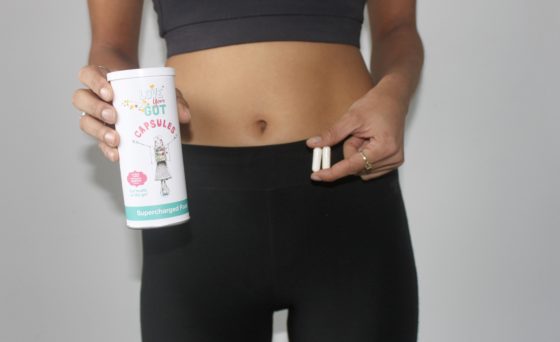
Munch mindfully, eat slowly and think about what you are eating and how it will nourish you. Rushing and stressing when you’re eating can interfere with digestion, and create imbalance in your gut ecosystem- this can lead to lack of energy, bloating, weight gain and digestive disturbances. Heal Your Gut or Supercharge Your Gut are great to read if you’d like to learn more about gut health or if you don't have time to read try my Love Your Gut powder or Love Your Gut Capsules.
Live by the 80:20 rule
Sticking to your nutritional values 80 per cent of the time will allow you a healthy margin where you can say yes to the chocolate cake at your friends’ birthday parties, or enjoy a big slab of pizza as you travel through Naples. Don’t be the killjoy.
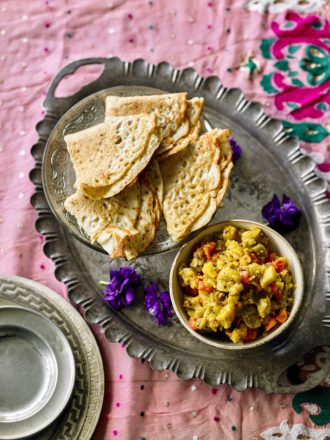
Eggplant Bharta and Indian Dosas
Take an Ayurvedic approach
I’ve been deeply impacted by the ancient healing art of Ayurveda. It’s a whole-lifestyle approach that begins with determining your unique type, also known as a dosha. From there you can learn a host of lifestyle choices that best suit your emotional, physical, mental and spiritual needs.
In Ayurvedic philosophies, the sense of taste is a natural roadmap directing us towards good nutrition and characterised by six individual tastes: sweet, sour, salty, bitter, astringent and pungent.
I love this philosophy, as it recognises that no one diet is perfect for everyone, and it empowers you to be the author of your own health based on the knowledge you’ve gained about your unique self.
It’s a place where you walk to the unforced rhythms that come with a common sense attitude towards food and a balanced approach to eating. Basically, letting go of a rule- bound approach to eating will bring you a sense of freedom, but still allow you to commit to food choices that equate to vibrant health and longevity – and a life fully lived.
Eat Right for Your Shape, has all the information, tools and recipes you need to reap the benefits of an Ayurvedic lifestyle.
Practice mindful eating
Do what the French do and make an occasion of your meal, even if it’s just morning or afternoon tea. Unplug, turn off the TV, sit at the table, use proper dinnerware, eat with friends and family, and give thanks. Tune in to all your senses and pay attention to enjoying and savouring each glorious mouthful.
Food that’s considered, selected, prepared, served and enjoyed with genuine love and thankfulness will bless your body far more than you know. Eat slowly and not on the run. Taste, smell and experience all the sensations of your meals. Honour yourself by taking the time to sit down to eat. Chew your food and say thanks. Be grateful to the earth and to the divine blessing that food is.
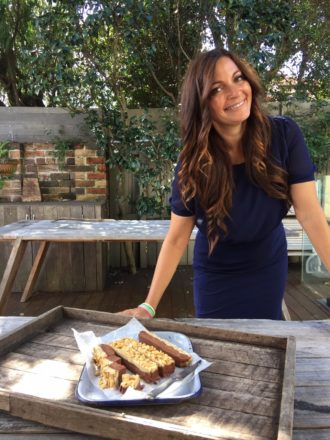
Layered Salted Caramel Peanut Fudge
Enjoy your food
Think of pleasure and fulfilment when it comes to food. The bottom line is that every body is different and has different needs. It’s your own responsibility to listen to your heart and steward your body through your lifestyle choices, ranging from movement, sleep and food right through to the emotional and spiritual factors that enable you to best maintain your health and find fulfilment. Supercharge Your Life is the recipe book that covers this.
So anyway, back to why we are here, when it comes to be bunking diet myths here’s what I think…
And by the way you may notice that I’m not including the Keto diet here, but you can read my thoughts on it here.
Paleo Diet
In the Stone Age, our cavemen and cavewomen ancestors would only eat what they could hunt with their bare hands. The Paleo diet mimics this hunter-gatherer lifestyle; For example, you’d never see a caveman eating a processed granola bar, so you probably shouldn’t be eating a processed granola bar either!
The Paleo Diet removes all grains, beans, soy, dairy, certain vegetable oils and refined sugar. What you’re left with is unprocessed foods like vegetables, fruit, meat, fish, certain fats, nuts and seeds. Whilst I do think removing processed foods; in particular processed meat, is helpful, by demonising food groups, such as carbohydrates or dairy, we can lose benefits of many nutrients that we need to support our gut function and immune system and start to fear food. It’s important to focus on balance – if you’re absolutely craving a block of chocolate, just eat a few pieces! You should enjoy eating, not be afraid of it.
The paleo diet is often misconstrued as just eating meat, meat and more meat. This shouldn’t be the case. By following a balanced paleo diet, you can minimise stress on the body and increase your vitality but I think its also important to eat prebiotic and fibre rich veg like sweet potato and some paleo enthusiasts don’t include them and they are an integral part of having a thriving and robust digestive system.
Probiotic Diet
Probiotics are finally experiencing the recognition they deserve and I’m loving every single minute of it! Probiotics have been used for centuries to treat a variety of bowel conditions including constipation, diarrhoea and irritable bowel disease.
Probiotics help balance and grow our gut microflora which in turn, supports positive moods, boosts energy and can help produce other essential nutrients.
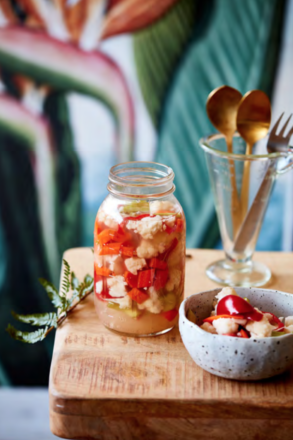
The probiotic diet includes include sauerkraut, kimchi, kefir, kombucha and various yoghurts. While consuming probiotics is great for us and our guts, some people do experience not-so-subtle effects, such as gas and bloating from these foods, so it’s important to eat them in moderation and start off slowly.
Also if you suffer from histamine intolerance, fermented foods can be aggravating. You can read my low down on histamine intolerance here.
The Clean Eating Diet
The Clean Eating Diet is a simple and maintainable approach to healthy eating. Essentially, the Clean Eating diet is exactly how it sounds – you eat a diet based on clean, real and whole foods.
Clean Eating includes some whole grains like brown rice, quinoa and oats, most vegetables, fruits, healthy fats, dairy, beans and other protein sources like meat, fish and chicken. When following the Clean Eating Diet, you remove ‘unclean’ foods such as sugar and processed foods like cakes, cookies, white breads and processed snack bars.
Clean Eating can lead to maintainable weight loss and cause increased energy, cardiovascular benefits and digestive improvements. Some may find it difficult to follow initially but it’s generally a good diet to follow all-round. However, like all diets, it’s important to not over-eat as you can still gain weight while eating ‘clean’ and really, when it comes down to it, who wants to be on a diet anyway?
Mediterranean Diet
This diet is based on, you guessed it, the Mediterranean. It’s inspired by the Greeks, Southern Italians and Spanish in the 1940’s-1950’s. It’s renowned for being one of the world’s healthiest and sustainable diets in the world. The majority of gut health specialists I've interviewed over the years have agreed that this is a favourable approach to eating.
It’s rich in fruit, vegetables, whole grains, legumes and olive oil and features moderate amounts of fish and poultry and the occasional glass of red wine. The diet emphasises extra-virgin olive oil over other oils and butter.
The Mediterranean diet is more than just the food on your plate, it’s also focused on lifestyle. Do like the Greeks, Italian’s and Spanish do and make your next meal a big fiesta! The Mediterranean diet doesn’t include added sugars, refined grains like white breads and pasta, trans fats like in margarines, refined oils like canola oil, processed meat like sausages and other highly processed foods.
Low Carb, High Protein Diet
While this diet may sound fantastic, carbohydrates are not the enemy. While this diet can cause short-term weight loss, it usually results in long-term weight gain due to the restrictive nature of the diet. By cutting out carbohydrates, we lose the benefits of many important nutrients that can support our gut-health and immune system.
Some foods that are excluded from the low carb, high protein diet include grains like rice and oats, potatoes, high-carb fruits like bananas and mangoes, and products heavy in gluten like bread, pasta and cakes. Foods included in this diet are meat, fish, low-carbohydrate vegetables like spinach, zucchini and some low carbohydrate fruits like berries.
Complex carbohydrates are fibre rich and help the functioning of our gut. If you eat unrefined carbohydrates, like fruit, starchy vegetables and some grains like oats, you don’t need to fear weight gain! In fact, the fibre in these foods actually help move things along!
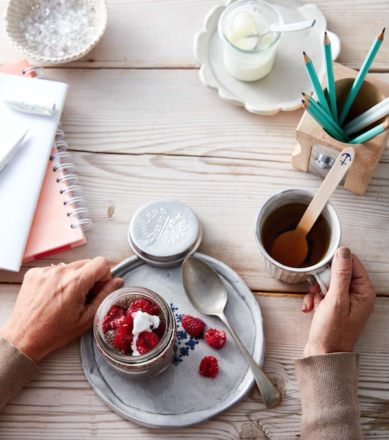
Chia Seed Pot
Intermittent Fasting
Intermittent fasting is a sustainable approach to achieving longevity, improving vitality, increasing mood and shedding a few excess kilos! I cover all the different methods of intermittent fasting in Fast Your Way to Wellness.
In a nutshell the 5:2 approach to (IF) is calorie restriction on two days of the week. This means you consume a total of 600 calories (2510 kilojoules) for men and 500 calories (2090 kilojoules) for women.
In my opinion, this is a great way to rest the digestive system however, the food consumed on fasting days, should be real whole foods – not low-fat, processed junk-food, which a lot of people lean towards for convenience. By choosing sustainable, organic and real foods, you’ll get the most out of intermittent fasting practices.
If you look at (IF) as a time of cleansing and nourishing the body, and eat naturally you could benefit from this approach. There are studies that show Intermittent fasting can improve your metabolism, revamp good gut bacteria, and improve the balance of our hormones but timing of eating is an issue.
Supercharge Your Gut Diet
Gut health is all the craze these days and it’s definitely not slowing down anytime soon. Read my Gut Health 101 here. The Supercharge Your Gut way of eating, as seen in Supercharge Your Gut, isn’t just a diet, it’s more of a holistic lifestyle.
Unlike some popular diets out right now, Supercharge Your Gut focuses on eating a diverse range of foods, eating the rainbow and including both probiotics and prebiotics. Whilst probiotics are currently on stage getting all the fame and glory, it’s important to not forget the camera crew and production team; prebiotics!
Prebiotics help nourish the probiotics within our digestive system, and without them, our probiotics have a poor chance of survival. Some prebiotic-rich food includes dandelion greens, avocadoes, bananas, leeks and onions. I encourage you to incorporate both prebiotic and probiotic-rich foods into your diet, because once you’ve established a healthy gut, you want to maintain it.
Through consuming real, gut-friendly foods, including prebiotics, probiotics, lots of veggies, fruit and quality sources of protein and good carbs, you can achieve a fully functioning engine room.
By supercharging your gut, through consuming easily digestible and delicious foods, you can get your gut glowing, healthy and working at its prime. You can also fix your sleeping patterns, control your hormones and improve your immune system.
Just to give you a little insight into foods that'll supercharge your gut, I’m going to share my Prebiotic Tray Bake from Supercharge Your Gut.
This prebiotic bake is pimped up with a tangy garlic and tahini dressing. Roasting these prebiotic-rich veggies is a great way to cheer up any older veggies that may have been left in the refrigerator a little too long!
The vegetables all cook at different speeds – so some are crunchier than others – which really is the beauty of this dish. But don't just listen to me, try it out for yourself!
Prebiotic Tray Bake with Garlic Tahini Drizzle
Serves 4
Ingredients
- 200 g Jerusalem artichokes
- 1 jicama, peeled and cut into wedges
- 200 g parsnips, peeled and quartered lengthways
- 300 g heirloom or Dutch (baby) carrots, trimmed
- 2 leeks cut into 2 cm rounds
- 2 medium red (Spanish) onions, peeled and cut into wedges
- 12 asparagus spears, trimmed
- 3 tablespoons extra virgin olive oil
Garlic tahini drizzle
- 1 garlic clove, crushed
- Celtic sea salt, to taste
- 70 g sesame tahini
- 3-4 tablespoons fresh lemon juice or more, to taste
- 2-3 tablespoons water
- Aleppo pepper or red pepper flakes
Method.
- Preheat oven to 200°C (400°F).
- To prepare the artichokes, scrub well but don't peel unless the skin seems too rough. Cut in half lengthwise and immediately rub the cut surface with half a lemon to stop it browning.
- Place all the prepared vegetables, except the asparagus, in a single layer, on a lined roasting tray (or two). You don’t want the vegetables to crowd, as they won’t roast and crisp up. Drizzle with oil and rub to coat.
- Roast for 25 minutes, turning the vegetables once, and then take out and add the asparagus. Roast for a further 5 minutes or until the asparagus is just cooked and all the vegetables are golden around the edges.
- Meanwhile, to make the garlic tahini drizzle, place the garlic and a pinch of salt in a mortar and pestle and mash to a purée. Transfer to a bowl and whisk in the tahini. Add the lemon juice and a little bit of the water, whisking continuously, adding a little more water each time until the sauce reaches the consistency of thick cream (or runny yoghurt). Taste and adjust seasoning.
- Arrange the roasted vegetables on a serving platter and pour over garlic tahini drizzle.