Infant Food Shopping Tips Every New Parent Should Know
Diving into the world of baby food shopping can be a bit daunting at first. Suddenly, you are in charge of picking what will nourish your little one’s growth and development. With a sea of choices on the shelves, from organic purées to fortified cereals, it is normal to second-guess yourself.
You might catch yourself scrutinizing every label, comparing ingredients, and pondering what’s best for your baby. The silver lining? You don’t have to get it all right. You need to stay informed and make thoughtful choices.
I'd love to share some strategies that every new parent should know when buying infant food.
Check Ingredients on Labels
When on the hunt for infant food, one of the best habits you can develop is to check the ingredient list. According to KidsHealth, food ingredients are provided in order of quantity. If an ingredient is listed first, second, or third, it likely means that this food has a significant amount of it. Conversely, the ingredients that appear at the end of the list are usually in smaller quantities.
It is best to look for recognisable ingredients and avoid anything with added sugars, excessive salt, artificial flavours, or preservatives. Typically, the shorter and clearer the ingredient list, the healthier it is for your little one’s developing system. It is essential to check potential allergens and any ingredients your paediatrician has recommended you steer clear of.
Terms such as "natural" or "organic" can be quite attractive, but they shouldn't replace the importance of checking the label. With time, you will become quicker at identifying the best choices, and it will feel like second nature. Making smart decisions now lays a solid nutritional groundwork for your baby’s growth.
Stick with Trusted Brands
When it comes to your little one’s nutrition, sticking with brands you trust can ease your mind. There’s no need to dive into unfamiliar products right off the bat.
HealthyChildren states that many families choose to feed their infants formula during the first year as a substitute for breast milk. They believe it is a safe option that provides the essential nutrients their little ones need. However, the presence of heavy metals or other contaminants in certain baby formula brands is a concern.
Research has linked cow’s milk-based formulas to an increased risk of necrotising enterocolitis (NEC). This serious condition mainly impacts premature infants and can cause intestinal damage. As a result, many parents have initiated an NEC baby formula lawsuit against baby formula manufacturers for their failure to inform parents about these dangers.
TorHoerman Law reports that the NEC MDL is gaining momentum, with more than 625 NEC lawsuits currently pending as of January 2025. This case highlights that you need to stay aware when picking even well-known brands. You can start with small amounts, watch for any reactions, and make adjustments as needed. Before you know it, you have a go-to list of dependable products that match your baby’s taste and nutritional needs.
Beware of Hidden Sugars
As noted by Johns Hopkins Medicine, excess sugar intake is a major contributor to childhood obesity. At present, nearly one in three children is considered overweight or obese, so it is necessary to reduce their sugar consumption to help lower the risk of these health issues. Kids under 2 years old should avoid added sugars altogether.
When searching for baby food, watch out for the hidden sugars that can sneak into products you might think are good for your little one. Even natural or fruit-based products contain added sweeteners such as fruit juice concentrates, corn syrup, or other types of sugar.
You want your baby to enjoy the natural flavours of real foods, steering clear of the overly sweet choices. Checking labels can easily spot any unnecessary additives and choose products made with simple, wholesome ingredients. This habit will become easier over time, giving you confidence while you shop.
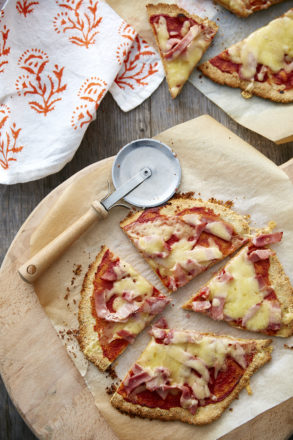
Consider Homemade Options
According to BabyCenter, once your little one starts solid foods, a whole new adventure begins. You might find yourself looking for fresh ideas on what to serve your baby. The thought of making your own baby food can feel a bit overwhelming. But with just a bit of planning, it is actually a breeze. Apart from this, it has its own advantages.
Making food at home means you have total control over what your baby eats. You can easily use wholesome foods like fruits, vegetables, and grains, while avoiding the added sugars, salt, or preservatives found in many packaged options. This approach also allows you to gradually introduce different flavours and adapt meals to your baby's unique preferences.
You don’t always have to start from scratch. Take it step by step and see what fits into your routine. Even whipping up a few meals at home each week can make a difference. It brings you peace of mind, knowing exactly what your baby is munching on each day.
FAQs
Why does infant nutrition matter?
Nutrition for infants is vital because it establishes the foundation for your baby's growth, brain development, and overall health. The choices you make about their diet support their immune system and influence their eating habits as they grow. Making mindful choices from the start helps your child grow stronger, healthier, and more ready to take on the world.
How does food texture determine safety for babies?
The texture of food is crucial for your baby’s safety because it impacts their ability to chew and swallow. You must provide soft, smooth, and age-appropriate textures to minimise the risk of choking. As your baby matures, you can gradually introduce thicker and lumpier foods to support their development of safe chewing and swallowing skills.
Why should you avoid packaged foods for babies?
You want to limit the amount of packaged food you give to babies because many of the options are rich in added sugars, salt, and preservatives. These aren't the best for your baby's developing body or their taste preferences. Fresh or minimally processed foods are a much better choice, offering superior nutrition. It helps your baby to enjoy natural flavours, which can foster healthier habits as they grow.
Choosing the right food for your little one can seem daunting at first, but with each shopping trip, you start to feel more comfortable. There’s no one-size-fits-all method. It is a journey of learning and making thoughtful choices. As you gain more experience, you find it easier to select options that cater to both your baby's comfort and your daily routine.
Leave a Reply
Your email address will not be published.