Healthy Entertaining Made Easy for Any Occasion
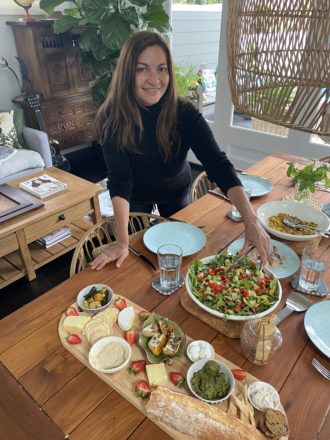 Bringing people together over a shared meal is one of life's simple joys, but the thought of hosting can sometimes feel overwhelming. You want to create a memorable experience with delicious food, yet you also want to serve dishes that are nourishing and align with a healthy lifestyle. The good news is that you don't have to choose between festive and healthful. With a thoughtful approach, you can easily craft a menu that impresses your guests and leaves everyone feeling great.
Entertaining is about connection and celebration, and the food you serve can enhance that experience without causing stress or compromising on wellness. From vibrant salads to elegant main courses, healthy entertaining is about showcasing the natural goodness of whole foods in a way that feels special and celebratory.
Planning Your Healthful Menu
A successful gathering starts long before your guests arrive. Thoughtful menu planning is the key to a low-stress event with delicious, healthy food, such as omega cheese crackers. Instead of getting overwhelmed by individual recipes, start by thinking about the big picture, like Maine Lobster Now's king crab selection. What's the occasion? What's the overall vibe you're going for, casual and rustic or elegant and refined?
Begin by choosing a centerpiece for your meal. This could be a high-quality protein, a hearty plant-based main, or even a show-stopping salad. Building your menu around one star dish helps streamline your decisions for appetizers and sides. Consider seasonal ingredients, as they are often more flavorful, nutrient-dense, and affordable. A summer barbecue might feature grilled fish and corn on the cob, while a winter dinner party could star a root vegetable roast.
When planning, also think about your guests' dietary needs. It's always a kind gesture to have options that are gluten-free, dairy-free, or vegan if you know your guests have these preferences. Many naturally healthy dishes fit these categories without extra effort. For inspiration, exploring a collection of easy, healthy dinner ideas can spark creativity and help you find dishes that suit a variety of tastes.
Impressive Dishes
Creating an "impressive" dish doesn't have to mean spending hours in the kitchen or using complicated techniques. Often, the most memorable meals are simple preparations of high-quality ingredients. The key is to focus on flavor, color, and presentation. A large platter of roasted chicken surrounded by colorful vegetables like bell peppers, zucchini, and red onion looks stunning and requires minimal hands-on time.
Another strategy is to think in terms of large-format dishes. A whole-roasted side of salmon seasoned with lemon and herbs is incredibly elegant and serves a crowd with ease. Similarly, a big pot of flavorful chili or a hearty stew can be made ahead and simply reheated, allowing you to enjoy the party. Don't underestimate the power of a beautifully composed salad with interesting textures and a homemade vinaigrette. Adding elements like toasted nuts, fresh berries, or crumbled cheese can elevate a simple green salad into something special. There are countless healthy dinner recipes that can be adapted for a larger group to make a big impact.
Simple Steps
The secret to a relaxed host is doing as much as possible before the party begins. Breaking down your menu into manageable tasks that can be completed one or two days in advance will transform your experience. This approach minimizes last-minute scrambling and allows you to be present with your guests.
Here are a few simple steps you can take ahead of time:
- Chop and Prep: Nearly all your vegetables for roasting, salads, or sautés can be washed, chopped, and stored in airtight containers in the refrigerator. Onions, carrots, celery, and bell peppers are perfect for this.
- Make Dressings and Sauces: Salad dressings, marinades, and sauces almost always taste better when the flavors have had a day to meld. Prepare these in advance and store them in jars.
- Assemble Casseroles: Many baked dishes, like a vegetable lasagna or an enchilada casserole, can be fully assembled the day before. Just cover and refrigerate, then pop it in the oven an hour before you plan to eat.
- Set the Table: Lay out your plates, silverware, glassware, and any decorations the night before. It’s one less thing to think about on the day of the event.
Even finding recipes ready in 30 minutes can give you ideas for quick components you can add to your menu without adding much work.
Gourmet Seafood for Celebrations
When you want to create an especially memorable and elegant meal, seafood is a fantastic choice. It’s a lean source of protein, rich in omega-3 fatty acids, and feels inherently celebratory. Many people are intimidated by cooking seafood for a crowd, but it’s often one of the quickest and easiest proteins to prepare. A simple preparation with high-quality seafood is all you need for a show-stopping main course.
For a truly remarkable event, consider something like wild-caught Alaskan king crab legs. They offer a gourmet experience that is surprisingly simple to prepare. Because they are pre-cooked, they just need to be gently heated by steaming, grilling, or baking for a few minutes. Served with melted butter or a simple garlic and herb sauce, they become an interactive and unforgettable centerpiece. This convenience allows you to focus on your guests rather than running to specialty stores.
Sides That Shine and Nourish
A great main course deserves equally great side dishes. This is your opportunity to load the table with color, nutrients, and flavor. Move beyond simple steamed vegetables and think about creating sides that can stand on their own. Roasting is one of the best ways to bring out the natural sweetness in vegetables. A large sheet pan of broccoli, cauliflower, and sweet potatoes tossed with olive oil and spices is always a crowd-pleaser.
Think about variety in texture and temperature. A warm roasted vegetable dish pairs wonderfully with a crisp, cool salad. Build your salads with a base of interesting greens like arugula or spinach and add crunchy elements like seeds, nuts, or celery. Incorporate whole grains like quinoa or farro to make salads more substantial.
Don't forget about dips and spreads. A vibrant beetroot hummus or a creamy white bean dip served with fresh-cut vegetables offers a healthy and delicious appetizer or side. If you're wondering how to feed a crowd with sides that are both easy and healthy, focus on recipes that can be made in large batches and served at room temperature.
Stress-Free Hosting Tips
Healthy entertaining isn't just about the food on the plate; it's also about creating a relaxed and joyful atmosphere for you and your guests. A stressed-out host can cast a shadow over the party, so prioritizing your own well-being is essential.
One of the best ways to reduce stress is to simplify. You don't need a five-course meal to impress people. A delicious main, two interesting sides, and a simple dessert are more than enough. Create a timeline for your cooking so you know exactly what needs to be done and when.
Accept help when it's offered. If a guest asks if they can bring something, say yes! Assign them a specific category like an appetizer, a dessert, or a bottle of wine to avoid duplication. When guests arrive and offer to help in the kitchen, give them a simple task like tossing the salad or pouring drinks. People genuinely like to contribute. Finally, remember the purpose of the gathering: to connect with people you care about. If the appetizer burns or the dessert doesn't turn out perfectly, it’s not a disaster. Light some candles, put on some music, and focus on enjoying the company.
Your next gathering can be a beautiful reflection of your commitment to wellness and your love for good company. By planning ahead and choosing simple, whole-food recipes, you can host a celebration that is both delicious and deeply nourishing for everyone, including you.