The First 48 Hours in Bali: A Gentle Post-Flight Reset for Sleep, Food and Energy

You can land in Bali with every good intention: sunrise yoga, a nourishing breakfast, a temple visit, a swim and dinner somewhere beautiful. Then your body reminds you that it has just crossed several time zones.

The first 48 hours are better treated as a transition than a test of how much Bali you can squeeze into a day. A few simple anchors — daylight, water, easy meals, gentle movement and fewer decisions — can make the arrival feel far more manageable.

Before You Land: Remove the Decisions You Don’t Need

The best post-flight routine starts with boring-but-useful preparation. Save your accommodation address, know how you are getting there and download an offline map before you leave. If you prefer to have mobile data available as soon as you arrive, an option such as Holafly's esim in Indonesia can be organised before the trip. Keep the offline map and a screenshot of your address anyway; mobile coverage can be less reliable in remote areas.

The point is not to plan every minute. It is to remove the small decisions that become surprisingly irritating when you are tired, hungry and standing outside an airport wondering which direction is north.

Hours 0–6: Think Daylight, Water and One Easy Meal

During the first few hours after landing, keep things simple. Your body is still adjusting to a new time zone, so rather than rushing into plans, focus on a few basic cues that can help you ease into local time: daylight, regular hydration and a straightforward meal that feels good to eat.

Use local daylight as a cue

Jet lag happens when your normal daily rhythms are out of step with the new time zone. Rather than retreating immediately to a dark room, spend some time in daylight if you arrive during the day. The CDC’s guidance on jet lag recommends following the sleep and waking pattern of your destination and staying in well-lit areas during daytime where practical.

Rehydrate without turning it into a detox

You do not need an elaborate cleanse after flying. Water, taken regularly, is more useful than trying to “undo” the journey with a complicated wellness routine. If your stomach feels unsettled, start gently rather than forcing a huge meal because the clock says it is lunchtime.
Make the first meal easy, not perfect

Imagine arriving at 3 pm after a long overnight journey. You are ravenous, but your digestion still feels half asleep. This is probably not the moment for an enormous tasting menu followed by cocktails. Choose something satisfying but manageable, then let the more adventurous eating come once your appetite has caught up with local time.

Your First Evening: Resist the Urge to “Do Bali”

A short walk, a simple dinner and an early night may sound less exciting than packing four activities into your first evening, but this is where restraint pays off. Gentle movement can help you feel human again without turning recovery into a workout.

Alcohol is also worth keeping modest on the first night. The CDC notes that it can disrupt sleep, which is the opposite of what you need when your internal clock is already confused.

Your First Morning: Build Three Anchors, Not a Schedule

Instead of waking up to an hour-by-hour itinerary, give yourself three anchors: daylight, food and movement. Step outside, eat when it makes sense for the local morning and choose something gentle — a walk, a swim or an easy yoga session — rather than treating the day as compensation for sitting on a plane.

If you are still planning the journey itself, Supercharged Food’s long-haul flight tips cover the other half of the equation, including food, hydration and movement while you are in transit.

Hours 24–48: Add Bali Back In Gradually

By the second day, start adding more of the trip you came for. The useful rule is to choose one main experience rather than five: a market, a temple, a beach, a class or a longer walk. Leave enough blank space to change your mind.

Food can also become part of the adventure again instead of another wellness test. You do not need to locate the “healthiest” meal on the island. Notice your appetite, choose food that feels appealing and comfortable, and leave room for curiosity.

Before loading up day three, do a quick check: how is your energy, appetite, digestion and sleepiness? If all four still feel scrambled, that is useful information. Your itinerary can wait.

Your 48-Hour Bali Reset at a Glance

When

Priority

Useful move

Skip if possible

Before landing

Simplify

Save your address, transfer details, map and connection plan

Making every decision after arrival

0–6 hours

Ease into local time

Daylight, water and an easy meal

Sleeping away the whole afternoon

First evening

Lower stimulation

Gentle movement and a quiet dinner

A packed night out

First morning

Create anchors

Light, food and gentle movement

An overfilled timetable

24–48 hours

Explore gradually

Choose one main experience

Trying to “make up” for day one

You Don’t Need to Optimise Your Arrival

Jet lag affects people differently, and two days is not a magic deadline for feeling normal again. The more useful goal is simply to stop fighting your body while it catches up with where you are.

Bali will still be there after a quiet first evening or a slow second morning. Treating the arrival as breathing space rather than another wellness performance may be the best way to have enough energy for everything that comes next.

Mediterranean Sheet Pan Eggs

Look, I totally get it. The Sunday morning breakfast dreams are real. You want something that tastes like you've whisked yourself away to a Greek island, tastes incredible, and doesn't require you to spend an hour cleaning up seventeen different pots and pans.

Enter my sheet-pan egg situation that's about to change your morning.

As a clinical nutritionist, I'm obsessed with breakfasts that actually deliver. Not the Instagram kind that looks good for 2.3 seconds before you're hangry. I'm talking about meals that come with a legitimate metabolic argument. Firstly I need a recipe to give you sustained energy, stable blood sugar, and the kind of satiety that gets you through to lunch without mainlining coffee.

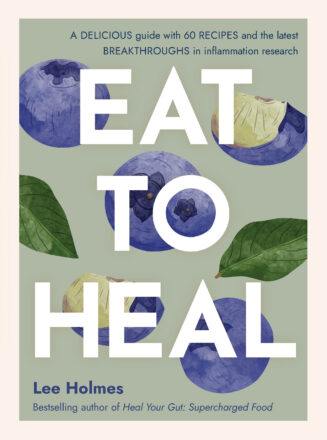
This Greek sheet-pan eggs dish is essentially a masterclass in breakfast bioavailability and it’s one that my daughter Tamsin concocted as we created the recipes for my new book Eat to Heal.

You've got:

Complete amino acids from those beautiful pasture-raised eggs (because where they came from matters: happy hens, better nutrient density)
B12 and folate for energy production and neurological support
Gut-friendly volume from roasted veg that actually tastes good
Anti-inflammatory omega-3s and magnesium hiding in those seeds

Translation? Your cells get the briefing memo they need, your gut stays happy, and inflammation stays in the corner where it belongs.

The best part about making this dish is that everything happens on one tray. Minimal dishes, maximum nutrition. Even I can get behind that 😉

Greek Sheet-Pan Eggs with Herbs & Feta

This recipe is from my book Eat to Heal, where I share over 80 recipes designed to work with your body, not against it. Each dish has the same philosophy as this one: real food, proper nutrition, minimal fuss. Grab your copy here.

Serves 4

Ingredients

  • 1 medium zucchini (courgette), thinly sliced
  • 1 small red onion, finely sliced
  • 1 tbsp extra virgin olive oil
  • 1 tsp dried oregano
  • Sea salt and freshly ground black pepper
  • 4 large pasture-raised eggs
  • 60 g (2 oz) feta, crumbled
  • 1 tbsp chopped fresh dill
  • 1 tbsp chopped fresh mint
  • Sprinkle of hemp seeds or pumpkin seeds (pepitas) for topping (optional, but do it)

Method

Step 1: Set the stage
Preheat your oven to 180°C (350ºF). Line a baking tray with baking paper. Trust me, future-you will thank present-you.

Step 2: Get the veg going
Arrange your zucchini and red onion on the tray. Drizzle generously with olive oil and season with oregano, salt and pepper. Roast for 15 minutes until the edges are starting to soften and caramelise slightly. This is where the flavour magic happens. Don't skip it.

Step 3: Create your egg homes
Remove the tray from the oven. Using the back of a spoon, gently create 4 small wells in the vegetables (think cosy little nests). Crack an egg into each well, trying not to break the yolks. Shower everything with your crumbled feta.

Step 4: The final stretch
Return to the oven for another 8 to 10 minutes until the egg whites are set but those yolks are still jammy and cooperative. Overcooked yolks equals sad nutritionist.

Step 5: Finish like you mean it
Serve straight from the tray (less washing up, more winning), scattered generously with fresh dill, mint, and a sprinkle of seeds if you're being fancy.

The Sneaky Bits

This breakfast is doing several things at once:

For your energy levels: The combination of protein plus healthy fats plus complex carbs from veg equals steady glucose response. No 11am crash. You're welcome.

For your gut: Fresh herbs aren't just there for flavour. Dill and mint both support digestive function. The fibre-rich veg feeds the good guys in your microbiome.

For inflammation management: Feta provides bioavailable calcium, the olive oil brings polyphenols, and everything here is anti-inflammatory by design. It's breakfast that's also medicine (the kind that actually tastes good).

This is what eating like a Mediterranean actually looks like. Not complicated, not pretentious, just real food that happens to be phenomenal for your body. Your cells will notice. Your energy levels will definitely notice and so will your nervous system.

Now go make it before someone else does.

For more recipes that work like this one, check out Eat to Heal here.

Rocky Road vs Zombie Cells

Rocky Road vs Zombie Cells

I've never believed that healing means giving up the things you love. If there is one idea at the heart of my new book, Eat to Heal, it's this: you don't have to cut out to feel better. You crowd out. You fill your plate, and your treat tin, with foods that quietly work in your favour, and the less helpful stuff naturally takes up less space.

But here's what I’d love you to understand: when you make that choice to crowd out, you're not just satisfying a craving or indulging in something more pleasant than deprivation. You're actually intervening at the cellular level. You're fighting a process that most people don't even know is happening inside their bodies, quietly accelerating ageing, exhaustion, and disease.

You're fighting zombie cells.

What Are Zombie Cells, and Why Should You Care?

Let me explain what's really going on inside the aging body. Your cells are supposed to live their lives, do their jobs, and when they're past their prime, they either regenerate or die gracefully. It's a system that's worked for millions of years.

But something goes wrong as we age, especially in the presence of chronic stress, inflammation, and poor nutrition. Some cells stop functioning, but they don't die. They just... hang there. We call them senescent cells, or zombie cells. They're not alive in any meaningful sense, but they won't exit gracefully.

Instead, they release inflammatory signals. They sit in your tissue, festering, like a broken-down car in a neighbourhood, radiating damage to everything around it. And with each year of life, we accumulate more of them.

This is inflammaging: the chronic, low-grade inflammation that quietly accelerates ageing itself. It damages your mitochondria (your cells' energy factories), shortens your telomeres (the protective caps on your DNA), and drives the diseases we assume are inevitable as we age, heart disease, Alzheimer's, type 2 diabetes and arthritis.

So what does inflammaging feel like? It's the tired that sleep doesn't fix. The brain fog that you've started to accept as normal. The joint pain that travels around your body. The digestive issues that come and go. The mood swings. The recurring infections. The weight that sticks around no matter what you try. Most people don't connect these dots to a few billion zombie cells quietly waging war inside their bodies.

The Body's Natural Defence: Senolytics

The good news is that you don't have to wait passively for your cells to age you from the inside. Your food contains powerful natural compounds called senolytics, which can trigger zombie cells to finally do what they should have done in the first place: exit gracefully.

These aren't exotic ingredients or supplements you have to hunt down. They're in the foods that, as a clinical nutritionist, I've been teaching people to eat for decades.

Fisetin: found in strawberries and apples. Quercetin: in capers, onions, and berries. Curcumin: in turmeric, especially when combined with black pepper to enhance absorption. Resveratrol: in grapes and blueberries. EGCG: in green tea, particularly the high-quality loose-leaf varieties.

Here I am talking about natural senolytics on The Today Extra Show.

Each one of these is quietly clearing away cellular debris, nudging your immune system to clean house, and helping your body's natural renewal systems work the way they're meant to. This isn't the old model of antioxidants as general free-radical scavengers. These compounds go deeper, triggering specific cellular pathways that help the body eliminate senescent cells.

But there's more. I also want you to understand polyphenols, the broader family of plant compounds from which many senolytics come. Polyphenols don't stop at the senescent cells. Once they reach your gut, something remarkable happens.

How Polyphenols Work with Your Gut to Control Inflammation

Most people think nutrients work in a straightforward way: you eat something, your body absorbs it, it does its job. But polyphenols are smarter than that. They're collaborative.

When you eat polyphenol-rich food (think dark chocolate, berries, turmeric, green tea), your body absorbs only a small fraction directly. The rest travel down to your large intestine, where your gut bacteria have been waiting. These beneficial microbes feast on polyphenols as food, and in return, they transform them into smaller, more active metabolites that your body can actually use. It's a conversation between your food and the trillions of organisms inside you.

From there, polyphenols help modulate your body's inflammatory signalling. They support the systems that keep chronic, low-grade inflammation in check, rather than switched permanently on (which is the inflammatory state most people are living in). They also support healthy blood vessel function, which is crucial for delivering nutrients to every cell in your body and removing waste.

This is the cycle I wanted to build into Eat to Heal: foods that work with your body's own systems, not against them. Foods that crowd out inflammation by supporting your gut, your cells' energy systems, and your nervous system's ability to calm itself.

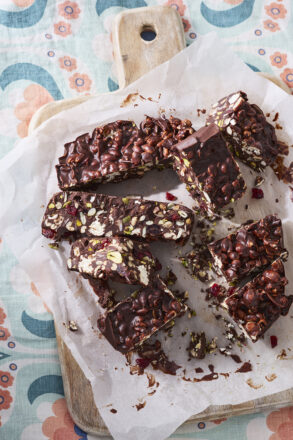
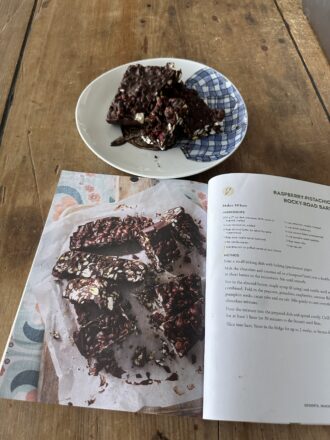
This is where the Raspberry-Pistachio Rocky-Road Bars come in.

Rocky road has a reputation as a sugar bomb wrapped in nostalgia, and the classic version certainly earns it. But these bars keep all the joy and deliciousness while swapping the guilt for ingredients that are actually defending your cells against ageing.

I developed these with my daughter Tamsin during the recipe testing for Eat to Heal, and they've since become a permanent fixture in my fridge. They're not a "cheat day" indulgence. They're a small, polyphenol-rich deposit into your cellular health, your gut microbiome, and your body's inflammatory balance, all at once.

Why Each Ingredient Matters

Dark chocolate (85% cacao or higher): The foundation. The higher the cacao percentage, the more nutrients you get and the less sugar it contains. Cacao is one of the richest food sources of polyphenols. These compounds mop up free radicals, but more importantly, they work with your gut bacteria to modulate inflammation and support senescent cell clearance. Flavanols in cacao are specifically associated with better endothelial function, meaning your blood vessels respond more easily, delivering nutrients where they're needed and keeping inflammation in check.

Pistachios: Bring protein, healthy fats rich in anti-inflammatory omega-3s, and polyphenols of their own. The minerals here, particularly magnesium, support cellular energy production and nervous system regulation.

Pumpkin seeds: Zinc and magnesium for immune function and cellular repair. Both minerals are crucial for the body's natural senolytic processes.

Cacao nibs: Double down on the polyphenols with a satisfying crunch. Nothing refined, nothing else added, just the cellular-healing power of pure cacao.

Dried raspberries: A beautiful hue, a tart lift, and the pigments (anthocyanins) that make berries such nutritional overachievers. These are quercetin precursors, priming your body to clear senescent cells.

Coconut oil and almond butter: Healthy fats that slow the absorption of any sugar in the recipe, keeping your blood sugar stable. Blood sugar dysregulation is one of the fastest accelerators of inflammaging.

Sea salt: Draws all the flavours into focus, and sodium plays a role in nerve transmission and cellular function. Just a pinch, mindfully used.

The Recipe

This recipe couldn't be simpler to make. You melt, you stir, you fold, you chill. No baking, no thermometer, no technique to master. Ten minutes of gentle assembly, an hour in the fridge, and you have ten bars ready to go. That's the whole philosophy in action: small, consistent, compassionate choices.

RASPBERRY-PISTACHIO ROCKY-ROAD BARS

Makes 10 bars

INGREDIENTS

  • 200 g (7 oz) dark chocolate (85% cacao or higher), melted
  • ¼ cup coconut oil, melted
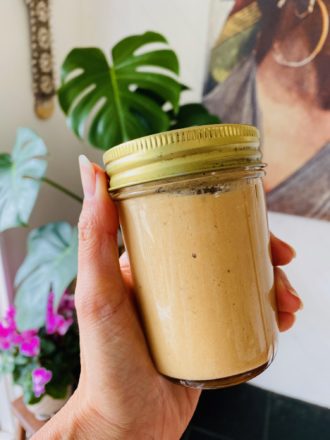
  • 2 tbsp almond butter (or tahini for extra creaminess)
  • 1 tbsp pure maple syrup (optional)
  • ½ tsp vanilla extract
  • 1 cup popcorn or puffed cereal of your choice
  • ½ cup pistachios, roughly chopped
  • ½ cup dried raspberries
  • ¼ cup coconut flakes (unsweetened)
  • ¼ cup pumpkin seeds (pepitas)
  • 2 tbsp cacao nibs
  • ½ tsp sea salt

METHOD

Line a small baking dish with baking (parchment) paper.

Melt the chocolate and coconut oil in a heatproof bowl over a double boiler or in short bursts in the microwave. Stir until smooth.

Stir in the almond butter, maple syrup (if using) and vanilla until well combined. Fold in the popcorn, pistachios, raspberries, coconut flakes, pumpkin seeds, cacao nibs and sea salt. Mix gently to coat everything in the chocolate mixture.

Pour the mixture into the prepared dish and spread evenly. Chill in the fridge for at least 1 hour (or 30 minutes in the freezer) until firm.

Slice into bars. Store in the fridge for up to 2 weeks, or freezer for 2–3 months.

Crowding Out In Action

A couple of squares of very dark chocolate isn't a guilty pleasure dressed up in health language. It's not restriction masquerading as indulgence. It's a small, deliberate act of cellular defence.

When you eat these bars, you're not denying yourself anything. You're choosing foods that protect you. You're filling your plate (and your treat tin) with compounds that trigger your body's own senescent cell-clearing mechanisms, support your gut bacteria in their work, and lower the inflammatory signals that drive ageing.

This is crowding out in action. This is healing that doesn't ask you to suffer. This is eating in a way that actually works with your body instead of against it.

Keep a batch in your fridge. When you reach for one, you're not having a moment of weakness. You're having a moment of cellular rebellion against inflammaging.

That's the whole idea.

Eat to Heal: A Complete Plan to Reduce Inflammation, Calm Your Nervous System and Supercharge Every Cell is available now from Rockpool Publishing.

Why Functional Beverages Are Becoming Part of Everyday Wellness

The modern approach to nutrition has shifted beyond counting calories and avoiding processed foods. Increasingly, consumers are looking for products that actively contribute to their overall well-being, whether through improved hydration, digestive support, or natural sources of energy. This growing interest has given rise to the functional beverage market, where drinks are formulated with ingredients intended to provide benefits beyond basic nutrition.

Rather than replacing a balanced diet, these beverages are becoming one component of broader wellness routines. Understanding what makes a drink "functional" can help consumers make informed choices that align with their health goals.

The Rise of Functional Nutrition

Consumer demand for health-focused food and beverages has grown steadily over the past decade. Today's shoppers are paying closer attention to ingredient lists, sugar content, and nutritional value, often seeking products that fit naturally into active lifestyles.

The International Food Information Council's 2024 Food & Health Survey states that 54% of consumers say they actively seek foods and beverages that provide health benefits beyond basic nutrition. This trend reflects a broader shift toward preventive wellness, where everyday dietary choices are viewed as an investment in long-term health rather than simply a way to satisfy hunger or thirst. 

Looking Beyond Traditional Soft Drinks

As awareness of nutrition has increased, many people have begun reducing their intake of sugar-sweetened beverages. According to the World Health Organisation, individuals should limit their free sugar consumption to less than 10% of total daily energy intake, noting that further reductions may provide additional health benefits.

Consequently, consumers are exploring alternatives that deliver flavour while also offering ingredients such as vitamins, minerals, botanical extracts, probiotics, or natural fruit components. These products appeal to individuals who want beverages that complement healthier eating habits without sacrificing taste.

Choosing Products That Fit Your Lifestyle

Not every functional beverage serves the same purpose. Some are designed to support hydration after exercise, while others focus on digestive health, mental alertness, or immune support. Reading nutrition labels and understanding the role of different ingredients can help consumers select products that match their individual needs.

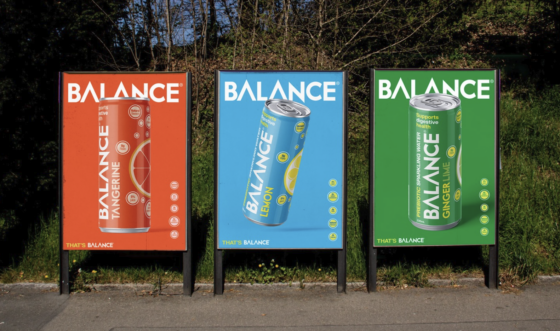
For example, interest in the sparkling functional drink category has grown as consumers look for refreshing alternatives that combine carbonation with thoughtfully selected ingredients. Rather than viewing these beverages as quick fixes, many people incorporate them into balanced routines alongside nutritious meals, regular physical activity, and adequate sleep. 

Wellness Is Built on Daily Habits

Although functional foods continue to gain popularity, health experts consistently emphasise that no single product determines overall well-being. Lasting health is supported by a combination of nutritious eating patterns, regular movement, quality sleep, stress management, and appropriate hydration.

Functional beverages can complement these habits, but they are most effective when viewed as one part of a healthy lifestyle rather than a replacement for foundational nutrition practices. Maintaining this perspective helps consumers make choices based on long-term wellness rather than short-term marketing trends.

Understanding the Ingredients

As the market continues to expand, ingredient transparency has become increasingly important. Consumers are paying closer attention to labels, looking for recognizable ingredients, lower added sugar, and evidence-based nutritional claims. This growing awareness has also encouraged manufacturers to be more transparent about sourcing, formulation, and nutritional content. Ultimately, informed consumers are better positioned to evaluate products based on their individual dietary needs instead of relying solely on packaging claims.

Consistent Choices

Healthy living is rarely shaped by a single food or drink. Instead, it develops through consistent daily choices that support overall well-being. Functional beverages are one example of how consumers are increasingly seeking products that fit naturally into a mindful, balanced approach to nutrition.

Free supercharged recipes delivered to your inbox!

When you register for our newsletter you'll also receive a FREE gut health recipe ebook.