Gut Friendly Bounty Balls Recipe

All the Flavour, None of the Junk

Why These Are Better Than the Bar

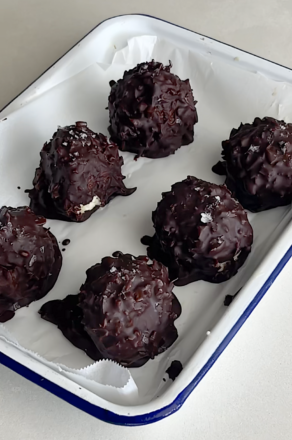
Remember the Bounty bar? That nostalgic coconut-and-chocolate duo that was absolutely everywhere? I loved them growing up, but when I started reading ingredient labels more carefully, I realised the store-bought version is loaded with refined sugars, emulsifiers, and artificial binders that do nothing good for your gut. So I did what I always do, I got into the kitchen and made my own version, with ingredients that genuinely work for your body instead of against it.

These Gut-Friendly Bounty Balls are creamy, tangy, chocolatey, coconutty, and honestly better than the original. They're proof that healthy eating doesn't have to mean sacrificing the things you love.

Real ingredients, real benefits 

Let's talk about what's actually inside these little beauties, because every single ingredient earns its place.

Full-fat Greek yogurt replaces the refined binders and sweeteners in commercial bars. It brings a creamy texture while delivering live probiotic cultures that support a balanced gut microbiome. Full-fat is key here, the fat slows digestion, keeps you satisfied, and helps carry fat-soluble nutrients throughout your body.

Shredded coconut is more than just texture and flavour. It's a solid source of insoluble fibre, which supports healthy digestion and helps keep things moving through your system. It also contains medium-chain triglycerides (MCTs), a type of fat that's metabolised differently to long-chain fats and used quickly as energy.

Raw honey is the binder that holds everything together inside the balls. Unlike refined sugar, raw honey contains small amounts of antioxidants, enzymes, and prebiotics. A little goes a long way.

Dark chocolate (70%+ cocoa) is where the real magic happens in the coating. High-cocoa dark chocolate is rich in flavanols, plant compounds with antioxidant properties and contains fibre that feeds beneficial gut bacteria. This is why choosing the right chocolate matters so much. (More on that below.)

Hazelnuts folded into the chocolate coating add a subtle crunch and bring their own impressive nutrient profile: fibre, vitamin E, magnesium, and prebiotic compounds that help feed the beneficial bacteria already living in your gut.

Coconut oil helps the chocolate melt smoothly and set with a beautiful snap.

No refined sugar. No emulsifiers. No fillers.

The original Bounty bar contains glucose syrup, invert sugar syrup, and emulsifiers, ingredients that offer no nutritional benefit and can disrupt gut bacteria balance with regular consumption. These balls skip all of that. The sweetness here comes from honey and the natural richness of coconut, and the whole thing is held together with Greek yogurt instead of a list of stabilisers.
Why the Chocolate You Choose Matters

Here's something that a lot of people don't realise: not all dark chocolate is created equal. The label might say 70% cocoa, but that doesn't automatically mean it's a good choice. Many commercial chocolates are heavily processed, contain unnecessary additives, or use poor-quality cacao that's been stripped of its natural compounds during manufacturing.

I've done a deep dive into exactly this topic on my brand new PODCAST called Wellness Unfiltered, from how to read a chocolate label to which brands are genuinely worth buying, I've also created a Top 10 Clean Chocolate Rankings. If you're going to make these Bounty Balls (and you absolutely should), I'd encourage you to listen to the podcast on any platform like apple or spotify, or read my blog about it first. The chocolate you choose will make a real difference, both to the taste and to the gut health benefits.

They're Incredibly Easy to Make 

I'm not going to oversell the process here, you genuinely just mix, roll, chill, and dip. No baking, no fancy equipment, no complicated techniques. The most time-consuming part is waiting 30 minutes for the balls to chill before you coat them, and you can use that time to melt your chocolate.

One batch makes six balls. They keep well in the fridge for several days, or you can freeze them and pull one out whenever a chocolate craving hits. That alone makes them a smarter option than reaching for a commercial bar.

Gut-Friendly Bounty Balls Recipe

Makes 6 balls

Ingredients

  • ½ cup (120g) full-fat Greek yogurt
  • 1 cup (80g) shredded coconut
  • 2 tbsp (40g) honey
  • 100g dark chocolate (70%+ cocoa), melted
  • ¼ cup (30g) hazelnuts, finely chopped
  • 1 tbsp coconut oil

Method

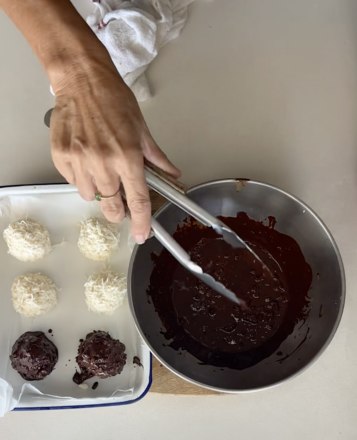
  1. Combine the Greek yogurt, shredded coconut, and honey in a bowl. Mix until it comes together into a firm dough.
  2. Roll the mixture into 6 evenly-sized balls (approximately 35g each). Place on a lined tray and refrigerate for 30 minutes.
  3. While the balls are chilling, melt the dark chocolate with the coconut oil. Stir through the finely chopped hazelnuts.
  4. Remove the chilled balls from the fridge and dip each one into the chocolate and hazelnut mixture, coating evenly.
  5. Place on a lined tray and freeze for 15 minutes to set the coating. Store in the fridge.
A Few Tips Before You Start
  • Don't skip the chilling step. The 30 minutes in the fridge is what keeps the balls from falling apart when you dip them. Cold dough + hot chocolate = a clean, even coat.
  • Choose your chocolate wisely. As I mentioned above, quality matters here. Head to my chocolate guide to see which brands I recommend and why.
  • Full-fat yogurt is non-negotiable. Low-fat versions have too much moisture and won't hold the dough together. Stick with full-fat Greek or natural yogurt.
  • Make a double batch. They freeze beautifully, so if you're going to the effort, make 12. Future you will be ever so grateful.

These Bounty Balls are what I always aim for in my recipes: something that genuinely tastes indulgent, is dead simple to make, and gives your body something useful in return. The combination of probiotics from the yogurt, fibre from the coconut, prebiotics from the hazelnuts, and antioxidants from quality dark chocolate makes these a genuinely thoughtful treat, not just a healthy-sounding one.

Give them a go and let me know what you think in the comments. And if you haven't already, go check out my Top 10 Clean Chocolate Rankings it'll change the way you shop for chocolate for good.

Made these? Tag me on Instagram so I can see your Bounty Balls! 🥥🍫

When Stress Relief Turns Into Dependence: Where to Draw the Line

Stress relief is part of everyday life. Most people lean on small habits to relax after a long day, calm their nerves, or switch off before bed. A drink, a snack, a pill for sleep, or an hour of scrolling can seem harmless at the moment. The problem starts when a coping habit stops being occasional and begins to feel necessary. This is about knowing where that line is, why it matters, and what to do when a stress-relief routine starts taking over.

Common Habits That Can Gradually Escalate

Most stress-relief habits start out light. It is usually something widely socially accepted, which most people would not blink an eye at. It can look like a glass of wine after work, which soon turns into a bottle every night. Or an anti-anxiety medication prescribed for once in a while, for high-stress situations, which you now take every morning. Pain medication you used for your back pain, which you now use to unwind. Comfort eating is going from an occasional treat to never feeling satiated.

Even habits that seem less alarming at first can follow the same pattern when they become tied to emotional relief. The issue is not only the habit itself. It is the role it starts to play in daily life.

How to Tell When It Is Becoming Dependence

There are several signs that a behavior has developed into a dependency issue. The first is that you do not have a choice - you just need it. Another is needing more to get the same effect. This often leads to individuals experiencing anxiety, irritability, or an inability to relax without using their chosen substance. Going out of your way to hide that you developed a dependency. Making excuses for why you are using more of a substance than you usually would.

Interference with sleep patterns, moods, finances, job performance, health, or relationships is also a clear sign that you have developed a dependency. Many people are aware that they cannot manage their behaviors at this stage, and taking action immediately can make the road to recovery much easier.

When to Seek Professional Help

If a bad habit seems too hard to break, causes emotional pain, or just continues coming back in spite of all of your best efforts, then you are likely ready for some professional help. A person does not have to go to extreme measures to develop an addiction. In many cases, addiction will start off slowly and will be much easier to overcome if you get help early on. Professional help can provide you with information about what has caused your addiction, manage withdrawal, and teach you how to replace the unhealthy behaviors that got you into trouble in the first place with healthy ones.

Speaking with a doctor, therapist, or rehab provider is a practical step. Trusted treatment centers such as Legacy Healing Center can guide you through the process.

A Clear Line Worth Paying Attention To

The line between stress relief and dependence is crossed when a habit becomes something you rely on rather than something you occasionally choose. That shift can happen slowly, which is why honesty matters. If a coping habit is becoming a daily need, causing problems, or is hard to control, it deserves attention. The sooner it is addressed, the easier it is to make changes and protect your health, stability, and peace of mind and there is no shame in it.

The Beauty Smoothie with Natural Silica

 Meet your new beauty sidekick: the Beauty Smoothie with Natural Silica!
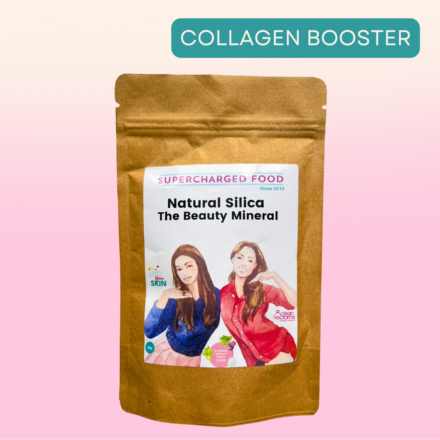
Some ingredients are loud about what they do. Others just get on with it. Natural Silica The Beauty Mineral, is one of those quietly effective beauty supports, helping to nourish collagen production, hair, nails, skin hydration, and connective tissue from within. It is vegan, pure, and bioavailable, making it an easy fit for a modern wellness routine.

To celebrate the launch of my latest new product, Natural Silica The Beauty Mineral, I’ve created this Beauty Smoothie, which brings together flavour, nourishment, and a little shine-from-within essence.

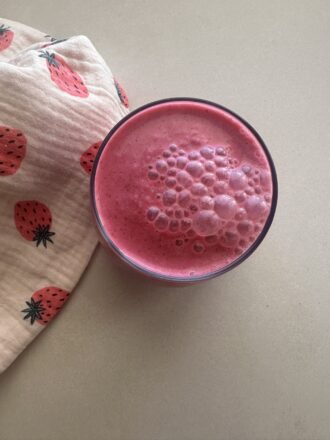
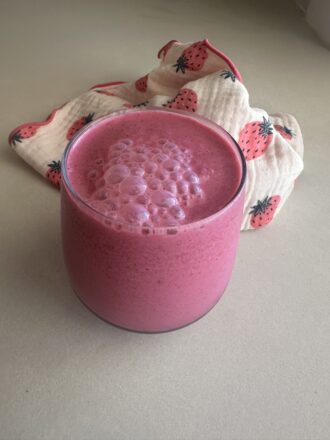
There’s something deeply satisfying about a smoothie that looks like it belongs in a magazine but is also secretly doing good things behind the scenes. This one is creamy, refreshing, jewel-toned, and full of ingredients that support skin, gut health, and that overall well-fed bounce we all love.

Why silica matters

Beauty is not just about what you put on your skin. It is also about what is happening underneath the surface. Collagen, elastin, and glycosaminoglycans all help keep skin looking smooth, plump, and resilient. Silica supports these structural foundations, which is why it has become such an interesting ingredient in the beauty world.

Natural Silica is formulated as orthosilicic acid, one of the more bioavailable forms of silica. In simple terms, that means it is designed to be well absorbed. It is also 100 percent natural, vegan, and free from synthetic fillers and artificial additives, which makes it feel aligned with a more whole-food, real-life approach to wellness.

The formula also includes Kakadu Plum for vitamin C and iron, which adds another layer of nutritional support. Vitamin C is important for collagen synthesis, while iron is especially relevant for hair health when low levels may be a factor. It is a thoughtful combination, but it still fits naturally into a food-first blog post because it is all about supporting the body with ingredients that make sense.

The Beauty Smoothie ingredients

This delicious smoothie brings together a beautiful mix of hydrating, gut-supportive, and antioxidant-rich ingredients.

Ingredients

How to make it

  • Add the coconut water and filtered water to a blender first.
  • Add the frozen dragon fruit, frozen raspberries, yoghurt, flaxseed, natural silica, and synbiotic.
  • Blend until smooth and creamy.
  • Taste and adjust the thickness.
  • Add a little more water if it is too thick.
  • Add more frozen berries if you want it thicker.
  • Pour into 2 glasses, sprinkle with hemp seeds if using, and serve straight away.

Why these ingredients work so well

This is the kind of smoothie that feels a little indulgent, but still has plenty going on nutritionally.

  1. Coconut water and filtered water create a light, refreshing base that keeps the smoothie hydrating and easy to drink.
  2. Greek yoghurt adds creaminess and brings in a probiotic element, which can be helpful for gut health.
  3. Flaxseed adds fibre and prebiotic support, feeding the good bacteria in the gut.
  4. Frozen raspberries and dragon fruit bring antioxidants and polyphenols, along with that gorgeous pink colour.
  5. Hemp seeds, if you choose to add them, give a little extra protein, zinc, and healthy fats.

Together, these ingredients make a smoothie that is as nourishing as it is pretty.

Beauty from the inside out

There is something satisfying about a recipe that supports the body in more than one way. This smoothie brings together probiotic, prebiotic, and antioxidant-rich ingredients, along with silica to support connective tissue and collagen structure.

Silica is especially interesting for beauty because it may support the look of stronger hair, healthier nails, and more supple skin over time. It also plays a role in supporting glycosaminoglycans, sometimes described as the body’s internal moisture sponges, which help skin stay hydrated and plump.

It can also support elastin, which helps skin maintain bounce and flexibility. That is the kind of thing that makes a difference over time, even if it is not as flashy as some of the louder beauty trends out there or expensive collagen powders. I love that this one is vegan so can be enjoyed by all!

A simple beauty ritual

What I love most about this smoothie is that it feels easy. No complicated steps, no fuss, no needing to clear your whole afternoon. Just a few real ingredients, blended together into something that tastes good and feels good.

If you are looking for a simple way to support your skin, hair, and nails while also nourishing your gut, this is a lovely place to start.

Read more about Natural Silica The Beauty Mineral here.

Infant Food Shopping Tips Every New Parent Should Know

Diving into the world of baby food shopping can be a bit daunting at first. Suddenly, you are in charge of picking what will nourish your little one’s growth and development. With a sea of choices on the shelves, from organic purées to fortified cereals, it is normal to second-guess yourself. 

You might catch yourself scrutinizing every label, comparing ingredients, and pondering what’s best for your baby. The silver lining? You don’t have to get it all right. You need to stay informed and make thoughtful choices.

I'd love to share some strategies that every new parent should know when buying infant food. 

Check Ingredients on Labels

When on the hunt for infant food, one of the best habits you can develop is to check the ingredient list. According to KidsHealth, food ingredients are provided in order of quantity. If an ingredient is listed first, second, or third, it likely means that this food has a significant amount of it. Conversely, the ingredients that appear at the end of the list are usually in smaller quantities.

It is best to look for recognisable ingredients and avoid anything with added sugars, excessive salt, artificial flavours, or preservatives. Typically, the shorter and clearer the ingredient list, the healthier it is for your little one’s developing system. It is essential to check potential allergens and any ingredients your paediatrician has recommended you steer clear of. 

Terms such as "natural" or "organic" can be quite attractive, but they shouldn't replace the importance of checking the label. With time, you will become quicker at identifying the best choices, and it will feel like second nature. Making smart decisions now lays a solid nutritional groundwork for your baby’s growth.

Stick with Trusted Brands

When it comes to your little one’s nutrition, sticking with brands you trust can ease your mind. There’s no need to dive into unfamiliar products right off the bat. 

HealthyChildren states that many families choose to feed their infants formula during the first year as a substitute for breast milk. They believe it is a safe option that provides the essential nutrients their little ones need. However, the presence of heavy metals or other contaminants in certain baby formula brands is a concern. 

Research has linked cow’s milk-based formulas to an increased risk of necrotising enterocolitis (NEC). This serious condition mainly impacts premature infants and can cause intestinal damage. As a result, many parents have initiated an NEC baby formula lawsuit against baby formula manufacturers for their failure to inform parents about these dangers. 

TorHoerman Law reports that the NEC MDL is gaining momentum, with more than 625 NEC lawsuits currently pending as of January 2025. This case highlights that you need to stay aware when picking even well-known brands. You can start with small amounts, watch for any reactions, and make adjustments as needed. Before you know it, you have a go-to list of dependable products that match your baby’s taste and nutritional needs.

Beware of Hidden Sugars

As noted by Johns Hopkins Medicine, excess sugar intake is a major contributor to childhood obesity. At present, nearly one in three children is considered overweight or obese, so it is necessary to reduce their sugar consumption to help lower the risk of these health issues. Kids under 2 years old should avoid added sugars altogether.

When searching for baby food, watch out for the hidden sugars that can sneak into products you might think are good for your little one. Even natural or fruit-based products contain added sweeteners such as fruit juice concentrates, corn syrup, or other types of sugar. 

You want your baby to enjoy the natural flavours of real foods, steering clear of the overly sweet choices. Checking labels can easily spot any unnecessary additives and choose products made with simple, wholesome ingredients. This habit will become easier over time, giving you confidence while you shop. 

Consider Homemade Options

According to BabyCenter, once your little one starts solid foods, a whole new adventure begins. You might find yourself looking for fresh ideas on what to serve your baby. The thought of making your own baby food can feel a bit overwhelming. But with just a bit of planning, it is actually a breeze.  Apart from this, it has its own advantages. 

Making food at home means you have total control over what your baby eats. You can easily use wholesome foods like fruits, vegetables, and grains, while avoiding the added sugars, salt, or preservatives found in many packaged options. This approach also allows you to gradually introduce different flavours and adapt meals to your baby's unique preferences.

You don’t always have to start from scratch. Take it step by step and see what fits into your routine. Even whipping up a few meals at home each week can make a difference. It brings you peace of mind, knowing exactly what your baby is munching on each day.

FAQs

Why does infant nutrition matter?

Nutrition for infants is vital because it establishes the foundation for your baby's growth, brain development, and overall health. The choices you make about their diet support their immune system and influence their eating habits as they grow. Making mindful choices from the start helps your child grow stronger, healthier, and more ready to take on the world.

How does food texture determine safety for babies?

The texture of food is crucial for your baby’s safety because it impacts their ability to chew and swallow. You must provide soft, smooth, and age-appropriate textures to minimise the risk of choking. As your baby matures, you can gradually introduce thicker and lumpier foods to support their development of safe chewing and swallowing skills.

Why should you avoid packaged foods for babies?

You want to limit the amount of packaged food you give to babies because many of the options are rich in added sugars, salt, and preservatives. These aren't the best for your baby's developing body or their taste preferences. Fresh or minimally processed foods are a much better choice, offering superior nutrition. It helps your baby to enjoy natural flavours, which can foster healthier habits as they grow.

Choosing the right food for your little one can seem daunting at first, but with each shopping trip, you start to feel more comfortable. There’s no one-size-fits-all method. It is a journey of learning and making thoughtful choices. As you gain more experience, you find it easier to select options that cater to both your baby's comfort and your daily routine. 

How Sustainable Seafood Builds Confidence From Source to Plate

Seafood moves through many hands before it reaches a plate. A fish may begin in a farm or fishery, pass through landing, packing, cold storage, transport, and final prep, then arrive in a kitchen or deli case. That long path can feel hard to trust unless the product carries clear facts with it. Sustainable seafood helps close that trust gap. It gives buyers, chefs, and diners a way to see where the fish came from, how it was handled, and whether key standards were met along the way. Strong records, careful processing, and honest labels turn a complex chain into a clear story. That story matters more now because global seafood production is at a record high, and safe, fair value chains matter at every step. When that story stays whole, confidence grows before the first bite is served. That helps buyers answer a simple question. Can this product be trusted when service is busy and the margin for error is small?

What Sustainable Seafood Really Means

Sustainable seafood starts with a simple idea. Fish should come from systems that protect the long-term health of species and ecosystems. In wild capture, that means science-based management, legal harvest, and care for stocks over time. In aquaculture, that means growth with clear controls, sound management, and attention to impacts that can come with fast expansion. Sustainable practice is not only about nature. It also supports food supply, jobs, and stable trade. When buyers choose seafood from well-managed sources, they support a chain that can keep working in the future, not only this season. That is why sustainability builds confidence so well. It gives people a reason to trust both the product and the process behind it. It also helps buyers connect everyday menu choices with larger goals like resource care, stable supply, and honest trade. Clear standards make that connection easier to see. It also reminds the market that good seafood should protect tomorrow while feeding people today. That link is easy to trust.

Why Source Data Matters

Confidence grows when facts move with the fish. Global guidance on seafood traceability points to end-to-end records built around critical tracking events and key data elements. In plain terms, that means each step should leave a usable trail. A product should connect to harvest or farm details, product identity, and later handling records. Food safety rules use a similar idea. Certain foods must be linked to specific events, such as receiving, shipping, transformation, and first land-based receiving. Those records help teams act fast when a problem appears. They also help in showing that the fish was handled lawfully and matches the claim on the pack. When source data stays clear, seafood becomes easier to trust, sell, and serve with confidence. Good traceability also helps separate fact from guesswork. A buyer does not have to depend on a broad claim when the file shows where the fish started, where it moved, and what happened at each stage. That level of detail can support audits, recalls, and daily planning with less confusion. It can also support fair buying decisions because a product with clear records is easier to compare, verify, and approve.

Convenience Needs Clear Proof

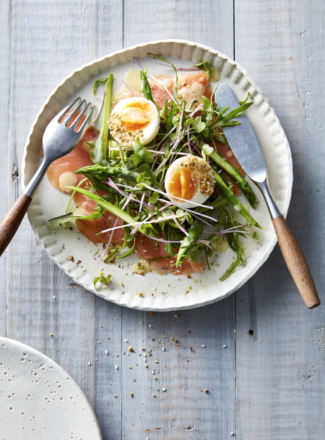
Convenience sells, but convenience without proof can raise doubt. Buyers want products that save labor and still come with solid information. That is one reason why prepared seafood needs strong documentation from the start. If a kitchen brings in ready-to-eat salmon, the value is not only speed. The value also comes from lot records, handling guidance, storage control, and a clear source story that can be checked. When those details travel with the product, chefs can plan service with less uncertainty. Staff can handle the food with care. Diners can feel calm about what is on the plate. A simple product becomes a trusted one when convenience and traceability stay connected from the first step to the last. This matters in foodservice, where labor is tight, and menus move fast. Teams need an item that is easy to use, but they also need proof that the product was processed and handled with care before it arrived. That balance matters for hotels, hospitals, campuses, and other kitchens that need speed and constant control at the same time.

Safety Depends on Process

Trust can break fast when food safety is weak. Seafood processors are required to identify hazards that are reasonably likely to occur and build plans to control them. That preventive approach matters because seafood can face risks linked to time, temperature, contamination after processing, and other handling failures. For ready-to-eat products, sanitation and cold control matter even more. Public health guidance shows that cold-smoked fish can become contaminated with Listeria during processing, and that refrigeration does not kill the germ. Global risk work has also examined cold-smoked, ready-to-eat fish as a meaningful Listeria concern. That is why careful processing, sealed packs where needed, strong cleaning, and strict storage rules build real confidence. A good source story must always be matched by a safe process. Safety is not one step at the end. It is a chain of small controls that starts in the plant and continues through transport, receiving, storage, and final service. When any link fails, trust can fail with it. Well-run preventive plans give staff a clear routine instead of last-minute fixes after a problem has already spread.

Confidence Grows in Kitchens and Stores

The final buyer may never see the full paper trail, yet the results still show up in daily work. A chef sees it in steady portion size, simple prep, and fewer surprises. A deli team sees it in clear storage steps and packing details. A foodservice manager sees it in easier staff training and smoother audits. A retailer sees it in labels that match what is inside the pack. Good seafood programs reduce guesswork. They help teams answer basic questions with confidence. Where did this fish come from? When was it packed? How should it be stored? What controls were used? When those answers are close at hand, trust spreads through the full chain, from the back room to the plate in front of the guest. In many settings, that trust also protects margins. Better records can mean less waste, fewer mistakes, and fewer delays when staff need product facts fast. When teams spend less time chasing facts, they can spend more time on quality, service, and guest care.

The Story on the Label Must Match the Story in the Files

Sustainability claims only matter when records support them. That is why traceability also helps fight illegal and misrepresented seafood. Risk-based import monitoring in the United States requires key data from the point of harvest to entry into commerce for more than 1,100 species, and it aims to keep illegal, unreported, unregulated, and misrepresented seafood out of the market. That kind of oversight shows what buyers have wanted for years. A label should not stand alone. It should match catch or farm details, chain of custody records, and product handling information. When those pieces line up, a seafood item carries more than a nice message. It carries proof. In a crowded market, proof is what turns a claim into confidence and a sale into a repeat order. It also helps honest suppliers stand apart from sellers with weak records or vague claims. Clear files give buyers a basis for trust that is stronger than marketing language alone. That strengthens trust across importers, distributors, retailers, and kitchens alike.

A Stronger Route to the Table

The best seafood stories are simple. The fish comes from a responsible source. The source can be checked. The product stays under control as it moves through processing, storage, and service. The label says what the records say. The kitchen gets useful guidance. The diner gets a product that feels safe, honest, and worth choosing again. Sustainable seafood builds confidence because it joins ethics, safety, and traceability in one clear system. That system helps buyers manage risk, protect quality, and serve food with a clean conscience. It also supports a market where trust can grow over time, even as supply chains stay complex. For teams that want that level of clarity, Select Fish points to the value of seafood that carries its story well from source to plate. When source data, safe handling, and responsible production stay linked, confidence does not need hype. It has facts behind it, and that is what keeps trust strong from first order to final plate. In short, confidence grows when every handoff keeps the story clear and the controls strong.

9 Tips for Creating a Sustainable, Eco-Friendly Garden

There can be an assumption that living an eco-friendly life means sacrificing comfort or quality, but that’s not always true, especially when it comes to your garden. 

Not only is creating an eco-friendly backyard a lot more straightforward than you might think, but it can also help to save you money, reduce the amount of time you spend gardening, and enhance your experience of your outdoor space — after all, eco-friendly gardens tend to be a lot more appealing to wildlife, which you’ll happily be able to observe making their way through your garden.

What’s more, creating a sustainable, eco-friendly garden doesn’t require any advanced tools or expertise. Mostly, it’s about making minor adjustments to the things you’d be doing anyway, such as switching from fossil fuel-powered tools to electric options, planting native plants, and using recycled/sustainable materials whenever possible. 

Focus on Native Plants

We live in a global economy, which means it’s very much possible to get seeds for plants that are native to other parts of the planet, and attempt to grow them in our backyard.

However, while those plants can look good, they typically require a lot of work, water, and food. In addition to those extra efforts, they also tend to be less appealing to local wildlife.

Focusing on native plants not only makes your job easier, but it’s better for the planet in that they require significantly less water and supplemental feeding. While you may wish to incorporate a couple of more exotic plants, the bulk of your garden should consist of plants native to your region. 

Collect Rainwater

Live in a region that receives a lot of rainfall? Then harvesting that rainwater can be a great way to minimise your environmental impact and save money. There are multiple ways to harvest rainwater, with the most advanced systems allowing homeowners to use collected water for domestic use. However, even a budget-friendly, simple system can be worth the investment, since it’ll allow you to keep your garden well-watered during the summer months. 

Switch to Electric Tools

It’s possible to have an eco-friendly garden, but, at the same time, have non-eco-friendly practices. That’s the case when it comes to gardening tools that use fossil fuels, such as petrol, as their power source. Not only do they emit harmful fumes, but they also produce significant noise pollution, which can disturb local wildlife.

Switching to electric tools helps to enhance eco-friendliness, without impacting performance. In many cases, they can even make looking after your garden a lot more straightforward, too. A robotic lawn mower, for instance, can get to work without your assistance and, since they use rechargeable batteries, are much better for the planet. There are electric options for most kinds of gardening tools, including hedge trimmers, chainsaws, and pruners. 

Start Composting

Composting is often underrated. It really can make a huge difference to the overall health of your backyard with minimal effort. In addition, it’s better for the planet because it means that your scrap food and garden materials don’t end up in the landfill. 

To start composting, simply get a bin (or invest in a special composting container), throw in your scrap food/garden cuttings, and let it sit for a few months. Eventually, it’ll turn into crumbly soil that you can use in your garden. 

Use Recycled/Sustainable Materials

Many gardens are generally eco-friendly. The trouble comes from all the other non-organic components of the space, such as the furniture, pavings, and other essentials that homeowners need to incorporate into their exterior space so that they can fully enjoy sitting out in their backyard.

Indeed, these elements can be so energy-intensive to produce that they can undo much of the good work that the homeowner has done in other areas when creating their backyard. One smart strategy for keeping your garden’s eco-friendly credentials in place is to use recycled/sustainable materials whenever possible. There are earth-friendly options for just about everything you may need for your garden, including garden furniture, fences, and plant pots. 

Incorporate Solar Lighting

It’s nice to have lighting in the backyard, since it’ll allow you to enjoy your space even once the sun has set. 

Utilising solar lighting, rather than lighting powered from the mains, is an effective way to achieve atmospheric lighting while also maintaining eco-friendliness. Garden solar lighting draws power from the sun, charging during the day for use during the evening. They’re highly affordable and actually easier to install than traditional exterior lighting, since there are no wires or cables involved. Simply stick them into the ground, switch them on, and that’s it. 

Make The Space Wildlife-Friendly

Your backyard can be a friend to local wildlife with just a few adjustments. Adding a birdhouse to your garden, installing a water feature (or just leaving out a water dish), and intentionally leaving a section of the garden ‘messy’ can help to provide wildlife with a safe haven. By attracting wildlife to your garden, you’ll be supporting the overall health of the space while also making sitting out in the garden more enjoyable — it’s pretty nice to spot birds, bees, and hedgehogs making their way through your backyard, after all. 

Start a Vegetable Patch

Growing your own food helps to reduce your carbon footprint by eliminating the need for food to be transported from the farm to the supermarket to your home, and there’s no need for plastic wrapping. Plus, if that wasn’t enough, then home-grown veggies also taste much better, and there’s a lot of satisfaction that can come from incorporating ingredients you’ve grown yourself into your dishes. 

It’s also a lot easier to start a vegetable patch than you might think, with strawberries, lettuce, tomatoes, and zucchinis all pretty straightforward for beginners to grow. 

Say No To Pesticides

Finally, perhaps the most important point: say no to pesticides! They’re labeled as being good for controlling weeds and unwanted bugs, but they don’t limit their damage to just the things you don’t want in your backyard. Healthy insects, plants, and birds suffer too. Just say no. 

The Minimalist Itinerary; Making Easy Moves To Enjoy City Travel


You see a great-looking cafe across the street. And you think, I’m ready to explore this town. First thing. Before even checking into my hotel. As you begin to consider what to do today, you can’t help but wonder where you’ll set down your luggage.

That single instant of wondering where to drop your suitcase influences so many more city vacations than most travellers would ever admit. What usually determines how well you enjoy a city break is not the number of places you visit. Rather, it’s the ease with which you move; your ability to observe your surroundings as they pass by; and being able to move freely throughout your days without lugging all of your gear from point to point.

Find Time For Those Hours When Things Often Go Awry

The wasted time between arriving in the morning and finally getting to check in is always too much. Likewise, the time spent waiting for your plane to depart after you’ve checked out is always too short. Too many times we try to fit in another museum, restaurant meal or leisurely stroll through the neighbourhood market in those final hours.

Affordable luggage storage Amsterdam is where these lost opportunities become tangible. While no one likes baggage storage, it helps you spend the first part of each day feeling relaxed rather than jammed. You can eat at a table. Take public transportation. Enter that quaint bookstore or coffee shop without hitting anything with your suitcase.

Plan Only To Avoid Over Planning

Overpack due to anxiety. Will it rain? Will there be a wonderful dinner? Do I really need another pair of shoes? Suddenly, you’re carrying spare options for possibilities that probably won’t arise.

Once you pack lightly and keep your itinerary simple (e.g., dress comfortably for walking, add a neat layer, wear shoes you’ve already broken in), you’ll notice how differently the day unfolds. Travellers typically treat cities as if they were an obstacle course, while packing light and keeping plans minimal allows them to simply pay attention to their surroundings.

Don’t Plan Your Day Down To The Last Detail

Some of the greatest rewards from travelling come not from visiting major tourist attractions. They include the quiet side street with clothing drying above a balcony, the food court you happened to stumble upon, or sitting on a park bench watching locals live their lives. These unplanned experiences are difficult to experience when constantly juggling possessions.

If your arms aren’t filled with items and your back isn’t sore, you will take the long way round to find something that looks interesting. You might enter someplace on impulse. Or maybe linger longer than planned.

Pack Light Enough To Be Present

Minimalism is not about restricting yourself. It’s about minimising the minor hurdles that contribute to making a vacation more exhausting than necessary. Less stuff, fewer pointless choices, and having an easy spot to store your luggage convert hurried travel days into calmer and more memorable ones.

Free supercharged recipes delivered to your inbox!

When you register for our newsletter you'll also receive a FREE gut health recipe ebook.