The Dark Side of Chocolate: Are You Eating a Superfood Or a Factory Fake?

Picture this, it’s three in the afternoon and the energy slump has just hit you like a tonne of bricks. You’re eyeing that "healthy" dark chocolate bar tucked away in your office drawer. But here’s the six-million-dollar question… is it truly a nutrient-packed superfood that lifts your gut health and mood, or is it just a sneaky chemical cocktail loaded with heavy metals, emulsifiers and stripped-out antioxidants that will leave you feeling worse in the long run?
I recently covered this question on episode 2 of my brand new podcast called Wellness Unfiltered with Irene Falcone (She’s the Founder of Clean Nectarine), and we peeled back the wrapper on the one-hundred-billion-dollar chocolate industry. From shocking lead scandals to gut-disrupting E-numbers lurking in plain sight, we uncovered why even those "clean" labels can mislead you completely. You can listen to the podcast on Substack Apple Podcasts, Spotify, YouTube.

If you’re as fed up as I am with health-washed snacks that leave you bloated and mentally foggy, read on as I share some of my latest insights. I’ve put together a no-nonsense roadmap to chocolate that I hope will give you some answers.
Chocolate is a topic that dominates everyone's WhatsApp group, every office kitchen, and definitely every woman's 3 p.m. slump, but have you ever stopped to think about cacao's it’s incredible origins?
Cacao (Theobroma cacao) is not just any treat; its name literally translates to "Food of the Gods" in Greek, a fitting tribute to its sacred role among the ancient Mayans and Aztecs. These clever civilisations did not mess around: they brewed cacao into a frothy, chilli-spiced drink for sacred rituals, healing remedies and yes, even as actual currency for trade. Those precious beans were worth their weight in gold or jade, and for good reason.
Fast forward to today, and premium cacao from single-origin hotspots like Ecuador's mineral-rich volcanic soils, Peru's lush biodiverse highlands or sustainable West African farms can still house magical soil which infuses the beans with complex, unforgettable flavours, just like a fine wine reflects its vineyard.
When it comes to chocolate, ethical sourcing is not just a trendy buzzword. It guarantees fair pay for hardworking farmers and cacao grown without the pesticides and heavy metals like cadmium. But sadly there’s a dark side of chocolate too and that is the mass-produced factory chocolate farms. This type of chocolate often comes from depleted soils that ramp up the level of contaminants in your 3pm snack.

Cacao vs. Cocoa: Why the spelling determines the health benefits
Raw, unroasted cacao is the real deal, preserving delicate enzymes and antioxidants that turn chocolate into a bona fide superfood. Roasted cocoa, on the other hand is not. The high-heat processing it is exposed to zaps many of the precious polyphenols and nutrients from the chocolate.
So why do we crave it so much? Have you ever wondered why chocolate feels like a warm hug in the middle of a stressful day? It is not sorcery; it is clever biology at work. Cacao floods your system with anandamide, the "bliss molecule", which locks onto your brain's cannabinoid receptors for that instant wave of calm. It’s nature's own mood elevator, delivering uplift without the dreaded crash. Then there is theobromine, a gentle stimulant that widens your blood vessels for steady, jitter-free energy, miles better than a harsh coffee hit.
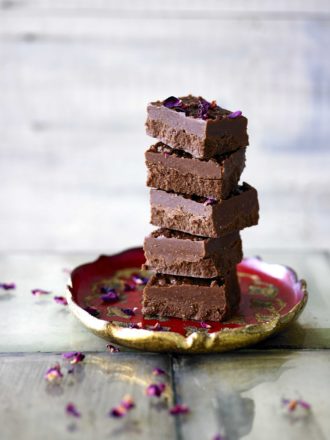
I always suggest to my nutrition clients to choose raw or minimally processed cacao, to unlock a veritable treasure trove of goodness. One healthy mineral in cacao is magnesium, which powers hundreds of essential reactions in your body, from soothing tight muscles to melting away tension. Flavonoids, which are antioxidants can help to dial down inflammation, nurture healthy blood pressure and supercharge blood flow to your brain, banishing afternoon fog. Iron and zinc are fatigue-fighters and immunity levellers too, particularly if you are on a plant-based diet.
When it comes to gut health, the prebiotic fibre in cacao acts like fertiliser for your gut microbiome, encouraging regularity and a diverse bacterial strains that keeps everything humming along. Studies show high-cacao chocolate links to stronger heart health, sharper cognition and even better mood stability. Roasting keeps some perks alive, but the Dutch method, which is very common, obliterates most flavonoids, so that’s why choosing raw or naturally processed will give you better benefits.

Now back to the dark side of chocolate…
Brace yourself because this is where it gets a little worrisome. Recent lawsuits have blown the lid off lead and cadmium levels in big-name brands like Hershey's and Lindt, often traced back to polluted growing regions. As a nutritionist who has seen too many clients struggle with gut woes, emulsifiers like soy lecithin, E476 and PGPR set off alarm bells for me. They give that irresistible "melty" texture, sure, but they behave like detergent on your delicate gut lining, slowly eroding the protective mucus barrier and paving the way for bloating, irritable bowel flare-ups and leaky gut issues. PGPR, that petroleum-derived budget trick, just replaces pricier cocoa butter without a second thought.
Here is my golden rule of thumb: if you can’t pronounce an ingredient, maybe best to leave it on the shelf. Spot "alkalised"? That is secret code for “Kiss most antioxidants goodbye”. And sugar? The refined types can spike your blood glucose like a rocket. I personally swap it for gentler, lower-glycaemic choices like coconut nectar.
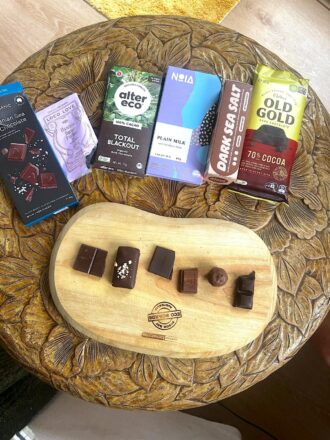
My Top 10: Clean Chocolates Ranked
I recently looked into which chocolate brands are available on supermarket and health food shelves, so I put a number of Australian-available bars through rigorous blind taste-tests and tests.
I ranked them by lowest sugar content (none or low-glycaemic index preferred), highest real cacao content (unroasted or raw for peak nutrients and antioxidants), rock-solid purity (zero emulsifiers or dodgy additives), irresistible flavour balance and those gut-loving bonuses like prebiotic fibre or live probiotics. The lower ranks? They slipped up with more sugar, skimpy cacao or questionable ingredient lists.
Below are the results and my personal ranking table.
Just a few nutritionist nerd notes;
Why does Om Bar pip Gutsii to second place? Its unroasted Ecuadorian cacao which locks in natural enzymes, the live probiotics deliver direct gut repair (unlike inulin's indirect feeding), and it melts silkier on the tongue without any harsh aftertaste.
Loco Love tops for creaminess, best tasting and I love the company and their ethical values.
Old Gold? It trails at the bottom with refined sugar and the strong chance of hidden emulsifiers lurking under Cadbury's broader standards. I have reached out to Cadbury to see whether it does contain emulsifiers (they are not currently listed on the ingredient label), and will let you know when/if I hear back from them.
The chocolate bars that are in the lower ranks reflect higher sugar, lower cacao, or less clean ingredients.
Here are my rankings:

How To Supercharge Your Chocolate Ritual
If you are a chocolate lover, I’d love to also offer you a few insider tips to make your chocolate moments even better.
- When it comes to reading labels, hunt for "unroasted" or "raw" to snag the highest antioxidants, while dodging anything "Dutch processed" or "processed with alkali".
- Time it right with an early afternoon square, letting theobromine work its magic without messing with your evening melatonin and sleep.
- For extra joy, melt it over fresh berries or nuts to amp up fibre and healthy fats, then pair with a soothing herbal tea.
- And storage? A cool, dark spot preserves those fragile flavonoids, or pop it in the fridge come humid Aussie summers.
Chocolate does not have to be a guilty pleasure, Superchargers. By ditching the factory fakes crammed with emulsifiers and embracing these high-purity, unroasted picks, you are treating yourself to genuine nourishment: stronger heart health, steadier moods and a happier microbiome. You can also try our Love Your Gut Vegan Chocolate Protein and Fibre powder for the ultimate health boost!
Tune into Wellness Unfiltered for my full chat and live taste test on air with Irene, and drop a comment below: what is your go-to bar these days?