
Choosing Storage for Interior Design Projects
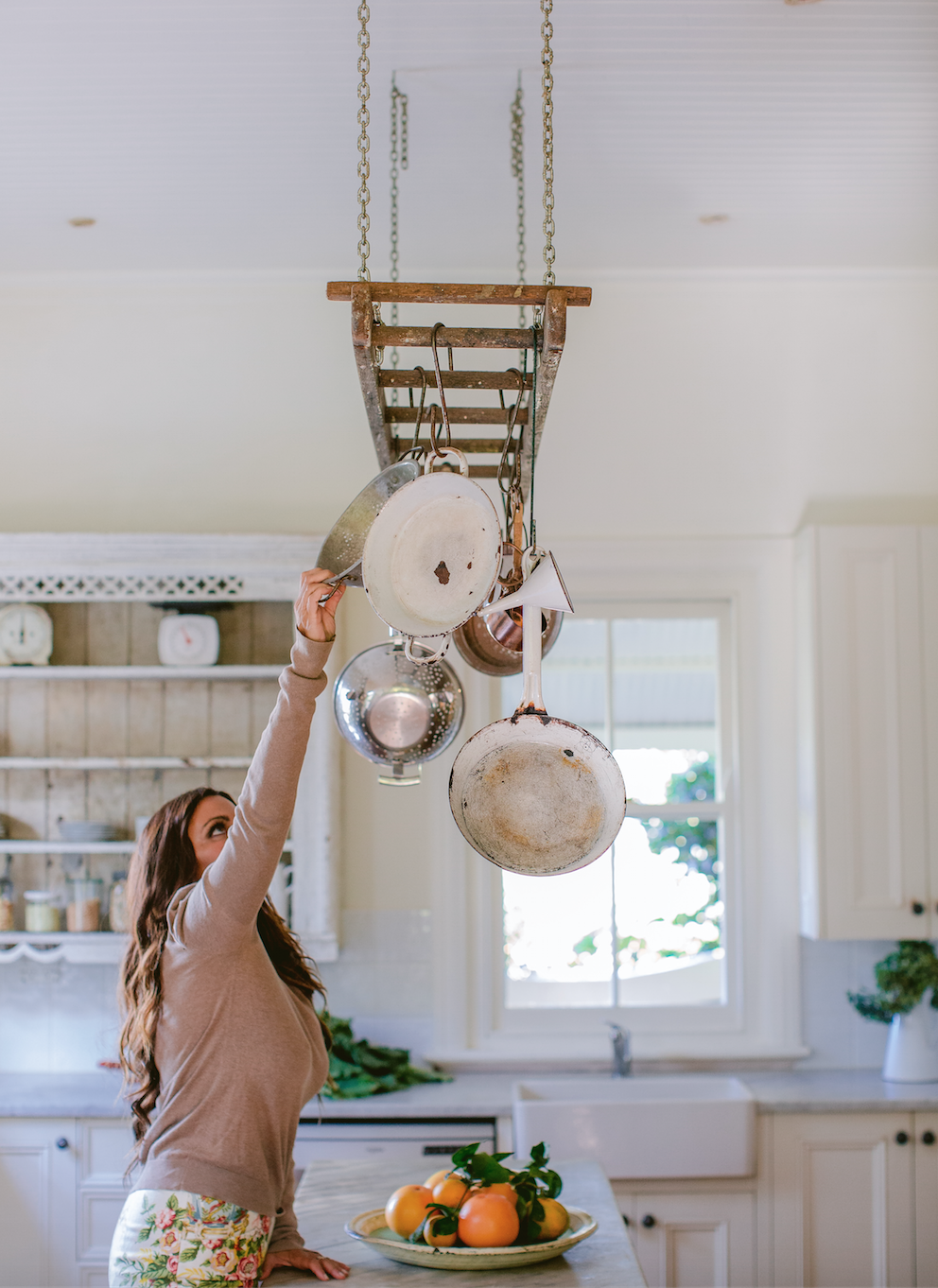
Homes can have a lot of storage options, with some rooms offering even more potential than others for increasing your overall storage space. However, for a lot of people, there is a delicate balance between high storage capacity and keeping rooms looking clear and comfortable - so choosing the right kinds of storage furniture pieces can be important.

While many people will default to whatever option they associate with home storage first, it is important to consider all of your potential storage options. From simple shelving to hidden storage within other furniture pieces, having the right amount and kind of storage can be important for making your home look and feel clutter-free.

Practicality

If you are planning a renovation or just building a new home, choosing a storage method that is easy to use and practical for your space is the first step in planning. By knowing the types of storage available, you can better understand what is ideal for your needs.

Storage can mean many things to many people – sometimes it is storage boxes, other times it is shelving or dresser units. The kind of storage that you choose will usually depend on two things: what you actually want to store, and how much space you are willing to give up for more storage.

For example, if you want to keep your clothes safe and stored properly, then a wardrobe or clothing rail is the obvious option. Dressers can work, but they require clothing to be folded in a more specific way, making them less practical if you have a lot of bulky items to store in there.

This also relates to the total size of the furniture itself. Some furniture pieces will be a lot larger than others, so you might have to spend some time measuring out each room and working out how much space you can afford to sacrifice.

Capacity

Remember that storage does not always need to be at the highest capacity possible. For many people, too much storage can lead to a lot of things being forgotten about, or even incentivize hoarding tendencies by giving them more room to fill with things that they would otherwise get rid of. While this might sound strange, it can be a very real concern.

High capacities are also a very subjective thing that depends on how you store things. A shelf might be able to support a box of books that holds more than just stacking books individually, whereas a clothing rail could be placed over another storage option in the same closet.

It is important to remember that there is no perfect storage solution for every home, let alone every room. In fact, you might even find that some popular storage options are not even suitable for your particular needs – shelves might be too shallow, or drawers may not be divided in a way that helps you store smaller items properly.

Smaller Storage

Remember that you often have a lot of freedom with how you use storage spaces, and that can include using other methods to slowly divide it up. Boxes can split up different kinds of items on a shelf, drawer dividers can help you separate out larger drawers, and so on.

By doing this, you can make larger storage spaces into something smaller and more controlled. This kind of flexibility might matter a lot depending on the room in which you are trying to create more storage since there can be cases where you need a lot of storage for very small or niche items.

Of course, there are also times when you have to make snap decisions or can’t necessarily decide between a particular kind of storage. In general, it is best to get more storage than you need rather than less. That way, you can still divide up or split apart certain storage methods as needed rather than being stuck without enough room overall.

For example, a small bedside table can provide just enough storage for essential items without taking up too much space. It’s a versatile option for keeping things like books, glasses, or a phone within reach while adding functional storage to compact areas.
Hidden Storage

One of the most effective ways to add more storage into a room is to hide storage in other pieces of furniture. While using a dresser to store clothing is an easy option, some people might prefer having drawers at the bottom of their bed or even a flip-up bench that contains a lot of spare clothing.

While this might sound pointless to some people, the truth is that hidden storage can be very beneficial. It provides storage in a way that does not clutter up your room and can often help you hide things that you want to store without necessarily displaying them.

A good example of this might be exercise equipment. Having a dedicated under-bed storage space for weights and other workout gear means it is not cluttering the floor but also keeps it readily available, so you are not demotivated to exercise.

Remember that you can always incorporate this into a room by replacing an existing furniture piece, too. If you were going to get rid of a seat anyway, you could always look for one that provides more storage. The same goes for dressers, shelving units, and anything else you want to replace.

Aesthetics

The visual style is important. From a plain white chest of drawers to a multi-colored shelving unit, it is important to have a storage system that reflects your personal style. You do not want it to stick out from the rest of your home, especially not if the storage is meant to be more subtle instead of being a display case.

Always think about the style that you actually want, as well as any relevant patterns or color schemes that might be important to consider. This can play a large part in which storage options you choose, especially if you are trying to redecorate your home’s interior design from the ground up.

Even in home improvement projects that are more focused on practical work than design, the right aesthetics can make all the difference. You always want to be choosing furniture that you like, and that fits in with the space you are trying to furnish. Storage is no exception to this rule.

Dishes that make Mediterranean cuisine so delicious and loved by many

Embarking on a journey through the enchanting world of Mediterranean cuisine feels like setting sail on a culinary odyssey. It reveals a tapestry of flavors and culinary traditions that have captured the imaginations and palates of people worldwide. 

Rooted in the countries surrounding the Mediterranean Sea, this gastronomic adventure goes beyond just dishes; it's a celebration of vibrant, locally sourced ingredients and the time-tested wisdom of generations in the kitchen. The global allure of Mediterranean cuisine isn't just about taste; it's about the stories told through every bite.

Characteristics of Mediterranean Cuisine

Celebrating Fresh, Local Ingredients

Picture strolling through a bustling local market in a Mediterranean town, the air filled with the scent of ripe fruits and the vibrant colors of fresh vegetables. Mediterranean cuisine is like a love letter to these ingredients, a commitment to using what the land offers. It's about cherishing the connection between the food on your plate and the earth it came from, fostering a deep appreciation for the flavors that change with the seasons.

Nurturing with Healthy Fats and Oils

Imagine the golden hues of olive orchards lining the hillsides. That's where the magic begins—with olive oil. It's not just a cooking staple; it's the elixir of the Mediterranean kitchen. As you drizzle it over a dish, you're not just adding flavor but embracing a tradition that spans centuries. The health benefits are like a secret passed down through generations, reminding us that good food is also about caring for ourselves.

Flavors in Abundance

Think about the first time you tasted a perfectly balanced sweet and savory dish, a harmony of flavors dancing on your taste buds. Mediterranean cuisine is like a symphony—it weaves together the earthy notes of oregano, cinnamon's warmth, and cumin's zing. It's not just a meal; it's a sensory experience that leaves a lasting impression.

Iconic Mediterranean Dishes

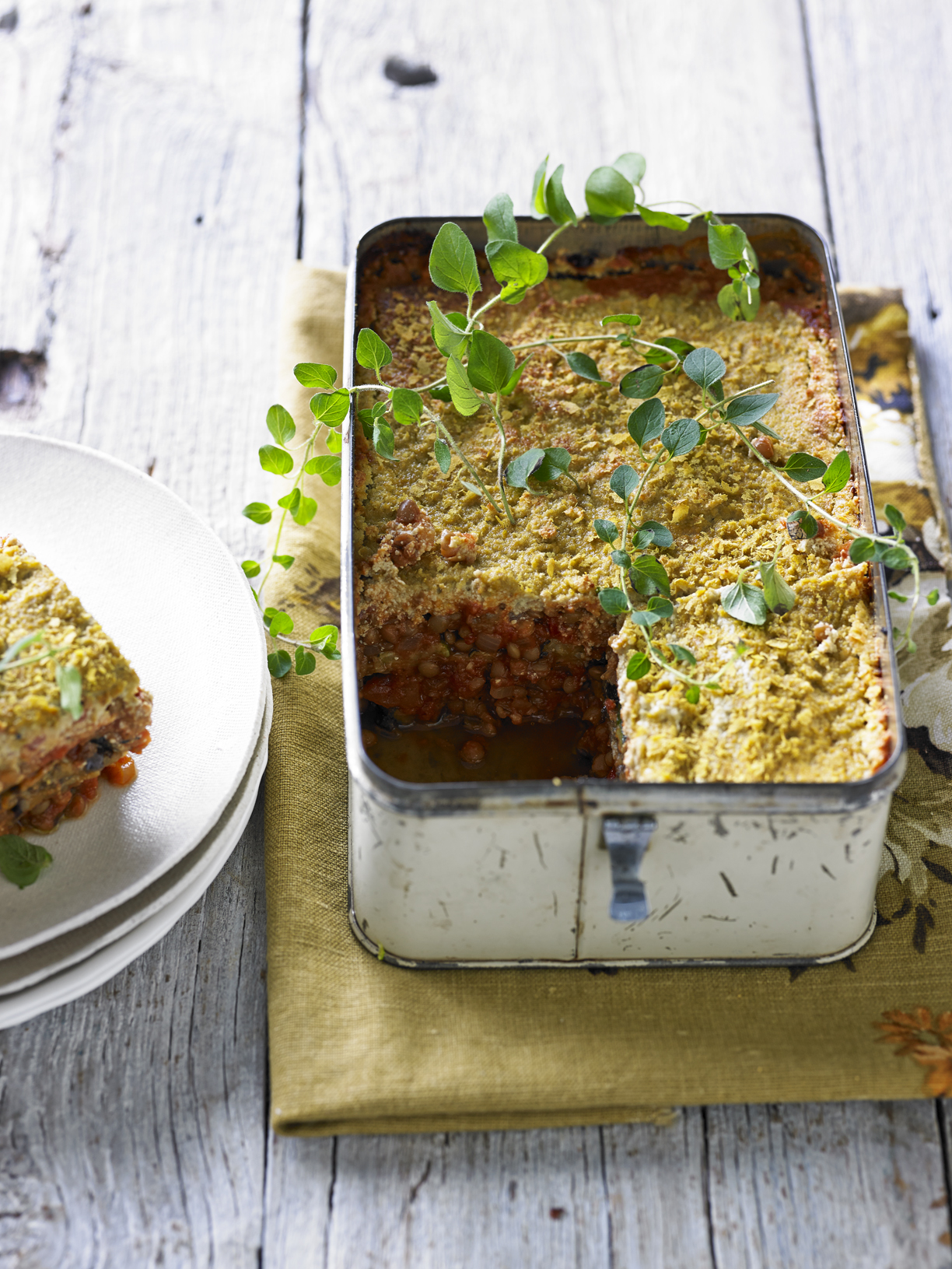
Lentil Moussaka

Exploring Greek Gastronomy

Close your eyes and imagine being in a Greek taverna, the aroma of Moussaka wafting through the air. As you take a bite, the layers of eggplant, minced meat, and velvety béchamel sauce transport you to comfort and warmth. With its grilled meat skewers, Souvlaki isn't just street food; it's a taste of Greek simplicity and bold flavors. And who could forget the freshness of a Greek Salad, each bite a crisp, refreshing journey through the flavors of the Mediterranean?

Speaking of Greek cuisine, have you ever tried a delightful Greek eggplant recipe? One standout dish is the "Melitzanes Papoutsakia,"." This dish is a delightful blend of roasted eggplants, flavourful minced meat, and a luscious tomato sauce. For a step-by-step guide and a taste of authentic Greek home cooking, check out this Greek eggplants recipe with Paliria.

Italian Culinary Elegance

Remember the first time you twirled a forkful of perfectly cooked pasta? Italian cuisine is an art form, a dance of flavors on the palate. Spaghetti Bolognese and Carbonara aren't just dishes but expressions of culinary mastery. A Margherita Pizza is more than a combination of tomato, mozzarella, and basil; it's a timeless representation of Italian sophistication. Tiramisu, with its layers of coffee-soaked ladyfingers and mascarpone cream, is a sweet finale that lingers in memory.

Spanish Festivity on a Plate

Imagine a bustling Spanish market square where the aroma of Paella fills the air. It's more than a dish; it's a communal celebration, a vibrant mix of rice, saffron, and seafood or meats. With their small, flavorful bites, Tapas is an invitation to savor and share—whether it's Patatas Bravas's spiciness or Gambas al Ajillo's richness. And a chilled bowl of Gazpacho isn't just soup; it's a refreshing testament to the cooling spirit of Spanish cuisine.

Middle Eastern Culinary Delights

Transport yourself to a Middle Eastern feast—a spread of Hummus, the creamy blend of chickpeas, tahini, and lemon. It's a dip that tells a story of simple pleasures. With its crunchy exterior and earthy taste, Falafel isn't just street food; it's a culinary journey wrapped in pita. Shawarma, with its thinly sliced marinated meat, is an aromatic adventure that captures the essence of Middle Eastern street food.

💫 ✨ Supercharge Your Savings Now – 25% off storewide: Black Friday & Cyber Monday!💫 ✨

Hey there, gut health enthusiasts!

Over on the Supercharge Your Gut website store, we're thrilled to announce 25% off storewide for Black Friday Cyber Monday, that will not only boost your gut health but also lighten the load on your bank account. It has started now so get in early!

Brace yourselves for the Supercharge Your Gut 25% off Black Friday and Cyber Monday Sale – the perfect opportunity to prioritize your digestive health without breaking the bank.

The 25% Off sale is on now. And I've made it super easy for you. The discount is automatic, there’s no pesky code. 

Investing in Your Gut Health:

At Supercharge Your Gut, we understand the profound impact a healthy gut can have on overall well-being. That's why we're offering an exclusive 25% discount storewide, on all our gut-loving products, including the acclaimed Love Your Gut Powder and Capsules, Synbiotic, Golden Gut Blend,  Organic greens, medicinal mushrooms, protein and adaptogens powder, Micron 5, and Fulvic Humic Concentrate. This sale makes it more affordable than ever to invest in your gut health, a crucial aspect of overall wellness.

Affordability Meets Quality:

Supercharge Your Gut believes that everyone should have access to high-quality gut health products without a hefty price tag. Our Black Friday and Cyber Monday Sale is a testament to our commitment to making wellness accessible to all. With a 25% discount across the entire store, now is the time to explore and indulge in the products you've been curious about.

My goal when I started Supercharged Food in 2010 and the Love Your Gut range in 2012, was to make gut health accessible for all. I wanted to share how loving my gut had helped me through my auto-immune condition and all throughout my life. That’s the spirit behind my Supercharged Food blog and social media and the Love Your Gut range. Nutritionist quality gut health information, lifestyle and products.

I can juggle a lot of things at once, including passing on a 25% discount

Don't miss out on this golden opportunity to Supercharge your gut health at a special price. Visit www.superchargeyourgut.com during our Black Friday and Cyber Monday Sale and enjoy a 25% discount on every product in our store. Your gut will thank you, and so will your wallet! Happy shopping and cheers to a healthier, happier you!

Lee xo 

Unlocking the Secret: Is Protecting the Powerhouse of Your Cells a Challenge?


Deep within the intricate tapestry of your body, a remarkable secret is woven—a secret that's essential for your health and vitality. This secret revolves around the tiny, often underestimated, cellular structures known as mitochondria. Often referred to as the "powerhouses of the cell," these minuscule organelles are responsible for generating the energy your body needs to function optimally.

In this article, we'll unravel the mysteries of these cellular powerhouses and delve into the challenges and solutions in protecting and nurturing them. You'll discover that while it may seem like a daunting task, understanding the role of mitochondria and taking steps to safeguard their function is a vital aspect of maintaining your overall well-being.

Meet the Mighty Mitochondria

Before we dive into the complexities of protecting your cellular powerhouses, let's get to know them a little better.

What Are Mitochondria?

Mitochondria are double-membraned organelles found in the majority of your cells. They are often referred to as the "powerhouses" because their primary role is to produce a molecule called adenosine triphosphate (ATP). ATP serves as the cellular currency for energy, providing the fuel for various cellular processes.

Multi-Talented Mitochondria

While ATP production is their most famous task, mitochondria wear several hats. They also play a pivotal role in controlling cell growth, regulating cell death, and participating in various other cellular processes that are essential for your health.

The Challenge of Protecting Your Powerhouses

Protecting your cellular powerhouses is not as straightforward as it may seem. Several factors can pose challenges to their well-being.

Oxidative Stress: A Common Foe

Mitochondria are susceptible to oxidative stress, a condition in which harmful molecules called free radicals can damage cellular components, including your cellular powerhouses. This oxidative damage can impair mitochondrial function and, in turn, affect your overall health.

Mitochondria are particularly vulnerable to oxidative stress because they are a primary source of free radicals in the cell, and they are also a prime target of these damaging molecules. The delicate balance between oxidative stress and mitochondrial health is crucial.

The Impact of Oxidative Stress on Mitochondria

Oxidative stress can impair the efficiency of ATP production within mitochondria. When your mitochondria are under attack, they produce less energy, which can lead to fatigue and decreased vitality.

Oxidative stress can also cause damage to mitochondrial DNA, leading to mutations that can compromise mitochondrial function. This, in turn, can negatively impact various bodily functions and contribute to aging.

Research has linked mitochondrial dysfunction resulting from oxidative stress to a range of chronic diseases, including neurodegenerative disorders, cardiovascular diseases, and diabetes. Protecting your mitochondria is, therefore, a key strategy in maintaining overall health.

 Aging and Mitochondrial Function

As you age, the function of your mitochondria naturally declines. This can result in reduced energy production, which may contribute to the fatigue and decreased vitality often associated with aging. Aging is associated with a natural decline in mitochondrial function. This reduction in function can lead to decreased energy production, which is often linked to feelings of fatigue and decreased vitality.

Over time, mitochondria accumulate mutations in their DNA. These mutations can impair mitochondrial function and contribute to the aging process. Aging is also associated with an increase in oxidative stress, which can cause damage to mitochondria and further accelerate their decline.

Impact of Aging on Mitochondria

The decline in mitochondrial function can lead to reduced energy production, contributing to feelings of fatigue and decreased vitality often associated with aging.

Impaired mitochondrial function can compromise overall cellular health, which may contribute to various age-related conditions and diseases.

Research has linked mitochondrial dysfunction resulting from aging to a range of chronic diseases, including neurodegenerative disorders, cardiovascular diseases, and diabetes. Protecting your mitochondria is thus a pivotal strategy in maintaining overall health as you age.

Environmental Toxins and Mitochondria

Exposure to environmental toxins, such as pollution and certain chemicals, can harm your mitochondria. It's important to be aware of potential sources of toxins in your environment and take steps to reduce your exposure.

Unraveling the Protective Measures

While protecting your cellular powerhouses may seem like a challenging task, there are practical steps you can take to support their health and function.

Antioxidants: The Mitochondrial Guardians

Antioxidants are your allies in the battle against oxidative stress. By incorporating antioxidant-rich foods like berries, leafy greens, and nuts into your diet, you can help protect your mitochondria from free radical damage.

Regular Exercise: A Vital Ally

Physical activity is one of the most effective ways to support your mitochondria. Regular exercise stimulates the creation of new mitochondria and enhances their efficiency in producing ATP, leading to increased energy levels.

Quality Sleep: Restoring Your Cellular Powerhouses

Adequate sleep is essential for your mitochondria to repair and regenerate. Aim for 7-9 hours of restful sleep each night to ensure your cellular powerhouses are in top form.

Stress Management: A Key to Mitochondrial Health

Chronic stress can have a detrimental impact on your mitochondrial health. Incorporate stress-reduction techniques like meditation, yoga, or deep breathing exercises into your daily routine to reduce stress and support your mitochondria.

Environmental Awareness: Reduce Toxin Exposure

To protect your mitochondria from environmental toxins, be mindful of potential sources of pollution and chemicals in your surroundings. Make choices that reduce your exposure to harmful substances.

 Aging Gracefully with Healthy Mitochondria

As you age, nurturing your mitochondria becomes even more crucial. Here's how you can age gracefully while maintaining mitochondrial health.

  • Nutrient-Rich Diet: Fuel for Longevity

A diet rich in nutrients like B vitamins, coenzyme Q10, and antioxidants can support mitochondrial health and help you age gracefully.

  • Regular Exercise: Your Fountain of Youth

Maintain an active lifestyle as you age to support your mitochondria. Whether it's daily walks or engaging in low-impact exercises, keeping your body moving is essential for longevity.

  • Mental Well-Being: Reduce Stress

Stress management is particularly important as you age. Engage in activities that promote mental well-being, such as mindfulness and relaxation techniques.

The aging process is a natural and inescapable part of life, and it's a journey to be embraced. Your mitochondria are at the core of your vitality and well-being. The more you invest in their protection and health, the better equipped you are to age gracefully, maintaining your zest for life. Remember, aging with healthy mitochondria is not a dream but a reality, waiting for you to embrace it.

Conclusion - Embrace the Challenge

The journey to protecting and nurturing your cellular powerhouses, your mitochondria, may indeed pose challenges, but it's a challenge worth embracing. By incorporating the protective measures mentioned here, you can unlock the secrets to vibrant health and vitality. Remember, your mitochondria are the key to a healthier, more energized you. So, let's embrace the challenge and pave the way for a long and fulfilling life.

OneWorld Ayurvedic and Yoga Retreat, Bali

kumara-one-world-retreats-bali-tourism

If you’re looking for an experience beyond a handful of cheap sarongs and Bintang tanks, Oneworld Retreats in Bali may be just the ticket. Veering off the beaten track in Ubud the Ayurvedic Detox and Yoga retreat is located at Kumara, a centre which has been transformed by it’s vibrant and larger than life owner Claude Chouinard into a haven of relaxation surrounded by positive energy.

As soon as you arrive, the smell of frangipani fills the air and you’re offered a thirst-quenching welcome drink that tastes like it has only just fallen from the large coconut tree positioned beside the reception area. The pool is glistening and you are ready to jump in.

Pool

Once checked in, you’re guided down a set of stairs to reveal a gorgeous private room which instantly makes you feel comfortable and at home.

img_4616

The accommodation is lush and traditionally minimalistic, each room having a large balcony overlooking Ubud’s green fields for an instant eye-popping nature-fix.

img_4613

There are no televisions in the room but instead you’ll find water colours, paper and brushes, you don’t need to be an artist to get creative, it’s all about amusing yourself as a way of focusing on being in the NOW. There are also tools for mandala creation, incense sticks and pretty local flowers for mandala making.

A table and comfortable sink-into arm chair on the deck offers a cozy place to kick-back and relax, a tempting hang out area, particularly as the sun goes down, as you listen to the low hums, buzzes and chirps of the native wildlife.

ducks

In the morning, the aroma of Bali offerings and incense still lingers in the air, and a piping hot teapot with aromatic herbal blends arrives on your deck at rooster o’clock. It’s a welcome pick me up as you stumble out of bed, before ambling down the steps to the magnificent locally built yoga shala, complete with jungle backdrop, to salute the sun at a morning yoga session.

yoga hall

Wayan brings a unique teaching style to the yoga classes and has a gentle approach and nature which is soothing and nurturing.

wayan

The retreat is run by Dr Aparna and Dr Joshi who are experienced Ayurvedic practitioners from India. They are excellent facilitators and do a wonderful job in bringing Ayurveda to guests in an accessible way.

Dr

During the retreat you will partake in workshops which cover living the Ayurvedic way, principles and dietetics, daily rituals and also an introduction to the Panchakarma detox or PK as it is affectionately known. Each day is dedicated to an element, which allows you to appreciate, honour and become more aware of the earth, water, fire, air and space around you.

img_5468

Do Go Chasing Waterfalls

Just beyond Ubud, Balinese worshippers have been gravitating towards Pura Tirta Empul which translates to Temple of the Holy Water, a place where the sacred springs are said to hold healing properties.  For centuries and still today, Balinese have been bathing and praying in the holy water. Oneworld Retreats offer you the chance to immerse yourself in this ancient ritual and leave with a lighter spirit and sense of peace.

temple

After the bathing ritual we’re given a front row seat to a further purification situation, where a holy man presses rice on your forehead and secures pretty little flowers into your hair. You’re offered a cotton bracelet and instructed to wear it until it falls off.

What I loved about the retreat is that it feels like the real Bali, one that is steeped in rituals and where you are constantly engaging in the glorious rich culture.

img_4655

Take a walk on the wild side

Pack your trainers for an approachable adventure into village life. We joined our guide Tokok, a Balinese local for a pied-piper inspired single-file walk through narrow rice paddy fields stopping as women rode side-saddle on motorbikes and a passing parade of smiling drivers carefully navigated the slim pathways.

Not so squeezy!

img_5323

Weathered farmers in straw hats waded knee deep through water-logged rice plots anticipating their next harvest.

img_4792

The sound of frogs and smell of rice and frangipani invaded your senses. I loved the look into village life that the nature walk provided.

img_4963

During the Ayurvedic retreat you are given daily tonics, an Ayurvedic consultation with the doctors and two detoxing treatments which leads on to a fully supervised Ayurvedic detox day.

The day is a good opportunity to have a stay at home day as it involves taking Ayurvedic preparations and then staying close by a loo! The doctors monitor you every hour to make sure everything is running smoothly!

During the special detox day a digital detox is also recommended which serves as the perfect time to channel your inner Van Gogh utilizing the art supplies and flowers for creative play.

img_4876

Throughout the retreat you’re tempted by beautifully crated Indian and Indonesian inspired dishes. This is paddy to plate eating at its best.

img_4606

The retreat showcases local ingredients with generous amounts of flavour and freshness.

img_4770

An instagrammer’s dream come true...

img_4752

A trip to Oneworld Retreats Ayurvedic retreat will have you travelling home richly rewarded and rejuvenated.

Cleansing Ceremony

img_4928

The retreat runs for seven days and six nights and includes healthy balanced meals, daily Ayurvedic tonics and herbals teas, an Ayurvedic consultation, two detoxing treatments, four Ayurvedic workshops, a cooking demonstration, a fire cleansing ceremony, nine yoga sessions, a nature walk, one fully supervised Ayurvedic detox day, an offering class and a guided nature walk.

You can find out more about Oneworld Retreats here.

Different Types of Yeast and How They’re Used to Create Bread, Beer, and More

What makes a simple lump of dough rise to a delightful loaf of bread? The same thing that makes a pint of beer so bubbly and delicious and gives a glass of wine its character and aroma: yeast.

A tiny, live organism that has been "domesticated" through centuries of bread and beer-making, the humble yeast plays a key role in creating some of our favorite foods and drinks even today.

If you're curious about different types of yeast and how they're used to make bread, beer, wine, and more, keep reading because, in this blog post, we explore the fascinating world of this superhero of the culinary world.

What is Yeast?

Yeast is a live microorganism, more specifically, a unicellular fungus. And as you may have guessed from the title of this article, it's not just one type – there are actually countless varieties of yeast found in nature.

In fact, yeast can be found everywhere: on plant leaves, the skin of fruits, in the soil, and even in the air we breathe.

Different Types of Yeast

As mentioned, there are many types of yeast, but for the purpose of this article, we'll focus on the two most commonly used varieties: baking yeast and brewing yeast.

Baking Yeast

The primary yeast used in baking is known as "baker's yeast." This is a strain of Saccharomyces cerevisiae specifically selected for its ability to leaven bread and other baked goods. You can get it in a few different forms, including:

  • Fresh Yeast: This is yeast in its most natural form. It's a moist, creamy substance that's often sold in small cubes. It’s highly perishable, so it needs to be used within a short time frame, making it less common in home baking.
  • Active Dry Yeast: Active dry yeast is a granulated form that is widely available and easy to store. However, it needs to be rehydrated in warm water before being added to the dough.
  • Instant Yeast: Quick rise or instant yeast is very similar to active dry yeast, but it's finer in texture and can be added directly to the dry ingredients in your recipe. It also doesn't require the rehydration step, so it's great for quick baking projects. Although they have different lifespans, each type requires adequate experience and knowledge of safe food handling.

Brewing Yeast

Brewing yeast is specially cultivated to produce alcoholic beverages like beer, wine, and spirits. The strains of yeast used in brewing are different from those used in baking, as they are selected for their unique ability to produce alcohol and specific flavor profiles.

  • Ale Yeast: Ale yeast is a top-fermenting yeast, so it's used in brewing brown, pale, mild and other ales. It ferments at warmer temperatures, resulting in a quicker fermentation process and a wide range of flavors.
  • Lager Yeast: Lager yeast is used in making lagers, which are bottom-fermented. It also ferments at cooler temperatures. to a clean and crisp taste, typical of lagers.
  • Wine Yeast: Wine yeast strains are tailored to ferment grapes and other fruits for winemaking. They help preserve the natural flavors and aromas of the fruit while converting the sugars into alcohol.
  • Distillers Yeast: Distillers yeast is used to produce spirits like whiskey, vodka, and rum. It's selected for its ability to produce high alcohol content and specific flavor characteristics.
  • Thiolized Yeast: While yeast's crucial role in brewing has always been to convert sugars into alcohol, in recent years, craft breweries have been experimenting with thiolized or engineered yeast. This type of yeast has undergone a process to enhance its thiol production, which is responsible for the characteristic flavors and aromas in certain beer styles, particularly in hoppy beers like IPAs.

Other Uses for Yeast

While bread and beer are two of the most well-known products that rely on yeast, these microorganisms are as versatile as can be, so they have multiple applications. For instance, yeast is also used in the production of:

  • Yogurt
  • Cheese
  • Flavor Enhancers
  • Pharmaceuticals
  • And even biofuel!

Free supercharged recipes delivered to your inbox!

When you register for our newsletter you'll also receive a FREE gut health recipe ebook.