How to Handle Pests in Your Garden

While there is so much joy in growing homegrown vegetables right in your garden, there are a few things that can get fairly stressful. Just think about it; you have to deal with constant fluctuations in temperature, the weather is fairly unpredictable, and worst of all, you’re going to have to deal with pests. Yes, while you can have some protection for your plants when it comes to high temperatures, low temperatures, and the weather, you’re out there battling it out with so many different types of pests that it makes it feel next to impossible to win, right?  Fortunately, there are a few things you can do, so keep reading on to find out!

Start By Identifying the Infestation

As you walk through the garden, look for signs of pest damage. Holes, wilting, skeletonized leaves (veins exposed), and mangled growth are indications that you need to take action. Also, watch for disease transmission from bugs to plants. Identify pests by their physical appearance, feeding behavior, and target plant species. The pests most commonly found in gardens fall into seven insect groups or orders. Each order has its own characteristic plant damage. For the most part, you can count on each species to have a different pest control method. 

Remove Any Damaged Leaves or Stalks

You might be thinking, “The plants look a little bad, but it’s only natural; there isn’t that much harm,” right? Well, for the most part, pests aren’t only ruining the aesthetics of your garden/ plants, but they are also damaging your plants. Many damaging pests also transmit pathogens that lead to disease in the plants they chew or eat. This is why it is so important to remove all damaged plant parts because your entire plant might just get destroyed, and this could even spread to neighboring plants. Overall, it’d be a negative experience. 

Managing Garden Pests with Chicken Pens

Effectively handle garden pests by incorporating chicken pens into your pest control strategy. Chicken pens allow you to contain chickens in specific areas of your garden, where they can naturally forage for insects and pests. This method reduces the pest population and enriches the soil with their droppings, promoting a healthier garden ecosystem.

Try to Monitor Your Garden Regularly

Is it an infestation, or is this just something that’s temporary? It can be hard to determine, but there’s always the chance that some pests are temporarily on a plant, while other times, they’re full-on infesting it to the point hundreds are covering the leaves and stem. Regular monitoring of the garden will allow you to detect pest problems quickly and catch them before they get out of hand. Overall, having a garden checklist will help you out a lot. 

Inspect plants at least twice a week, looking under leaves and on the stems. Record your observations in a garden log or on a small notebook dedicated to gardening notes, especially regarding plant damage and pests. Keep in mind that there is no way to eliminate all pests. In fact, in small numbers, some are necessary for a healthy, self-regulating ecosystem.

Understand That Pest Prevention Varies

When it comes to pest control, it’s good to understand that it varies. How you prevent snails from getting into your garden isn’t going to be the same as how you prevent caterpillars. It’s all going to be entirely different. The same even goes for organic pesticides versus more chemical-based pesticides. It’s all going to vary, so you’re going to have to figure out which is your preference and what you want for your garden. 

5 Tips To Save Money Looking After Your Health

Everyone wants to be healthy, but gyms and healthy food can often be expensive to get. It’s not uncommon for people to find themselves in a position where they simply can't afford this. That doesn’t mean there aren’t ways to save money looking after your health. In fact, it could be much simpler than you might’ve thought.

All it takes is a few tips and tricks. While that might involve changing your lifestyle a little bit, it’ll be relatively minor. And, since it’ll have a positive impact on your health - and bank account - there’s no reason not to consider it.

Five of these are better recommended than others, as they could have much more of an impact than you’d expect.

  1. Cycle Or Walk To Work - If your workplace isn’t too far away, it could be worth cycling or walking there instead of taking the car or a taxi. It’ll not only be much more affordable, but you’ll end up getting healthier because of the exercise.
  2. Bulk Buy - Buying products in bulk is often more affordable per product than buying them one at a time, making it an effective way to get your food. You’ll save more than you’d think. Even going with bulk billing doctors can be a great way to save a little money with your health.
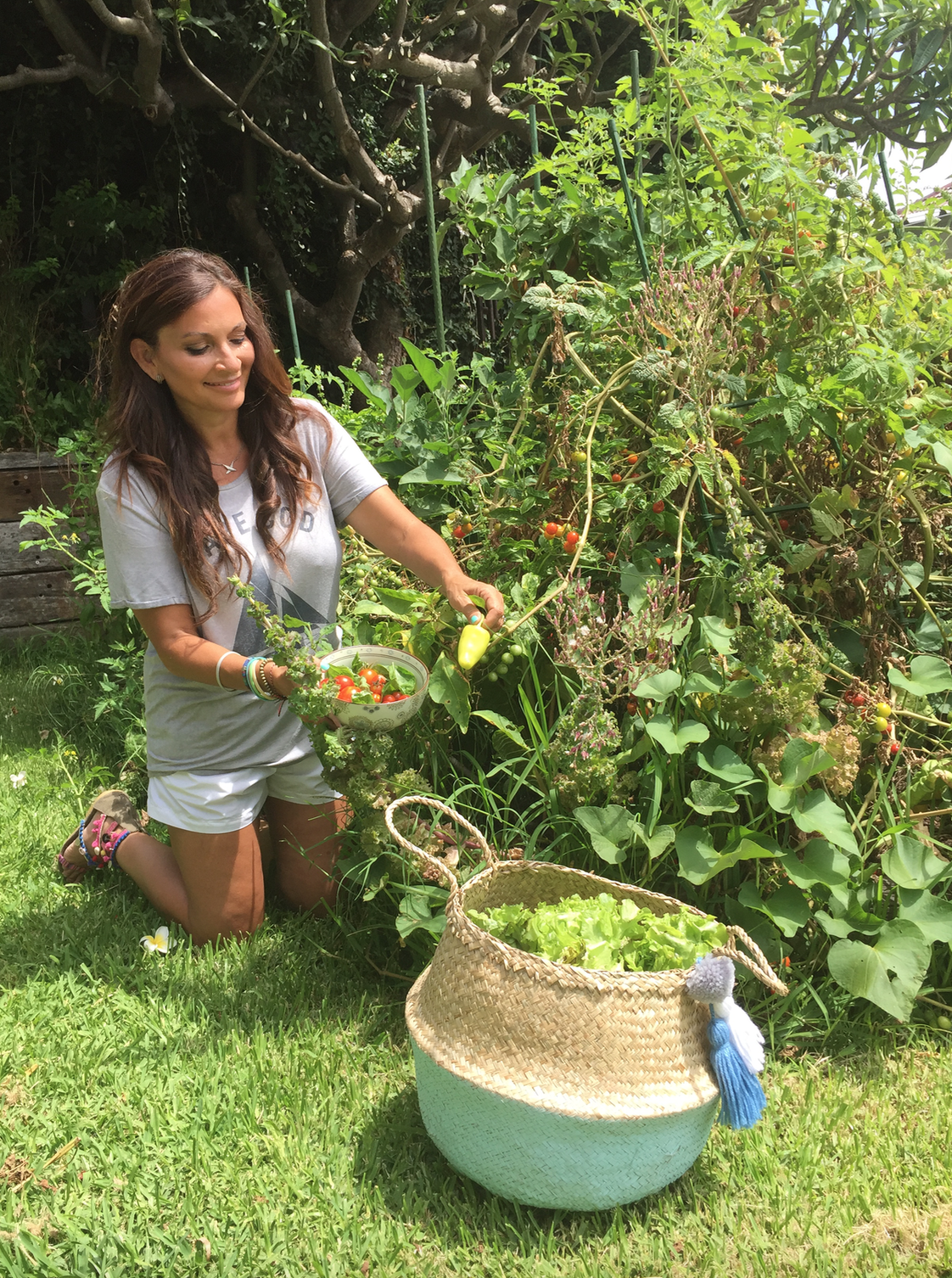
  3. Grow Your Own Veg - Everyone knows they should eat enough vegetables throughout the week. The cost of these can add up quite significantly over time, however. One easy way around this is to grow your own vegetables as much as you can. If you have the garden space, plant as much of the vegetables as you can. You’ll eat healthier while saving yourself the money.
  4. Ditch Lunchtime Fast Food - During your lunch hour at work, you could end up going for some fast food. You wouldn’t have much time to actually go get food and enjoy it before being back in the office. It’s not a healthy or affordable thing to do, though. Instead, bring a packed lunch with you that’s filled with healthy food.
  5. Have A Picnic Instead Of A Night Out - Everyone wants to have a meal out every once in a while, but this can often be expensive. It also mightn’t be the healthiest thing to do, especially with the ingredients many restaurants use. It could be much healthier, and more affordable, to go have a picnic instead. You’ll end up having a more enjoyable time without spending much time or money on it.

If you want to save money looking after your health, you might think it’d involve some significant lifestyle changes. It doesn’t have to. Instead, it could just be a few minor changes, and you’ll see much more of an impact than you would’ve thought.

Ditching fast food for lunch, cycling or walking to work, growing your own vegetables, and similar tips and tricks can all help with this. With how much of an impact you should see on your bank account and health, there’s no reason not to consider them.

5 Habits That Can Boost and Preserve Your Eye Health

Taking care of your eyes is essential for maintaining optimal vision and overall well-being. Yet, over 13 million people in Australia have one or more chronic eye condition/s, according to the Department of Health and Aged Care. Around 90% of blindness and vision impairment cases in Australia are preventable or treatable if detected early, and government initiatives have since included collaborations with WHO to achieve effective coverage of refractive errors and cataract surgery by 2030.

While government initiatives are important, individual efforts are non-negotiable to boost and preserve your eye health. In this article, we will explore five habits that you can implement in your daily life for healthier eyes.

Practise regular eye examinations

Regular eye examinations are vital for maintaining good eye health and detecting any potential issues early on. Yet, Optometry Australia has found that 35% of people do not get regular eye checks. Eye examinations not only assess vision but also help identify underlying eye conditions such as glaucoma or diabetic retinopathy. Hence, adults are recommended to take a comprehensive eye examination every two years or more frequently as advised by an optometrist.

Protect your eyes from harmful UV rays

The Australian Radiation Protection and Nuclear Safety Agency (ARPANSA) outlines that exposure to UV levels is consistently higher in Australia due to the country’s proximity to the equator. To protect your eyes, the ARPANSA recommends selecting local sunglasses that comply with the Australian/New Zealand Standard for UV protection or AS/NZS 1067. Otherwise, sunglasses with polarised lenses are a must to reduce glare from reflective surfaces. Models such as the M Frame 2.0 from Oakley with its Prizm lens technology can comply with other Australian standards, such as the AS/NZS 1337 for occupational eye protectors for outdoor workers.

Take regular screen breaks

Excessive screen use can strain the eyes and contribute to symptoms such as dryness, eye fatigue, and blurred vision. The Australian Digital Health Agency recommends practising the 20-20-20 rule: Every 20 minutes, take a 20-second break and look at something 20 feet away to reduce eye strain. When you have to look at the screen, you can opt to wear eye protectors such as blue-light glasses. While there’s no high-level evidence to support wearing blue-light blocking glasses for vision protection, the blue-light filter can help influence your circadian rhythm and lead to better sleep that rests your eyes.

Maintain a healthy diet

Consuming foods rich in vitamins C and E, zinc, omega-3 fatty acids, and lutein/zeaxanthin can help protect against age-related eye conditions such as macular degeneration and cataracts. For a quick tip, look for orange vegetables that are rich in beta-carotene and vital for eye health, such as carrots and pumpkins. Otherwise, the Australian Guide to Healthy Eating recommends incorporating fresh fruits, vegetables, oily fish, nuts, and seeds into your diet.

Stay hydrated

Dehydration can lead to dry eyes, causing discomfort, headaches, and blurred vision. In Australia's often hot and dry climate, it's important to drink an adequate amount of water throughout the day to stay hydrated. Otherwise, you can also use a humidifier in your home during the winter to keep the air moist, and stay away from cigarette smoke, which tends to dry out your eyes.

By adopting these five habits, you can significantly boost and preserve your eye health. For more healthy tips, check out our other blogs on Supercharged Food and improve the quality of your life today.

Pantry Prep: A Guide to Delicious Long-Lasting Foods

If you want to be more efficient with your pantry and start storing some longer-lasting items for convenience or even in case of an emergency then this guide is for you. Planning your pantry in advance is a great way to save time, money, and effort when you’re busy but still want an abundance of ingredients.

Today I'm exploring methods and top ingredients for stocking up on that will not only last for a long time but will also be delicious!

First Understand Your Storage Options

Before heading out to purchase your pantry staples it's important to consider the available storage options for your kitchen supplies. While it's nice to not be reliant on technology and buy easily stored items such as bulk beef jerky cheap, with many methods not requiring refrigeration there are some ingredients that will last even longer when chilled or frozen.

Refrigeration

Your refrigerator can keep perishables fresh for days as used conventionally, as the refrigerator for vegetables and meat is quite common. Some other ways that it can be used is to extend the life of dry items stored on the shelves for even longer, so you get the most bang for your buck.

Freezers

If you own a freezer you can effectively store almost anything for extremely long periods of time. While you don't necessarily need to find specifically long-lasting foods in the freezer there are some foods better suited for the freezer than others, generally red meats and poultry can last a while in these mediums of storage.

Pantry Shelves

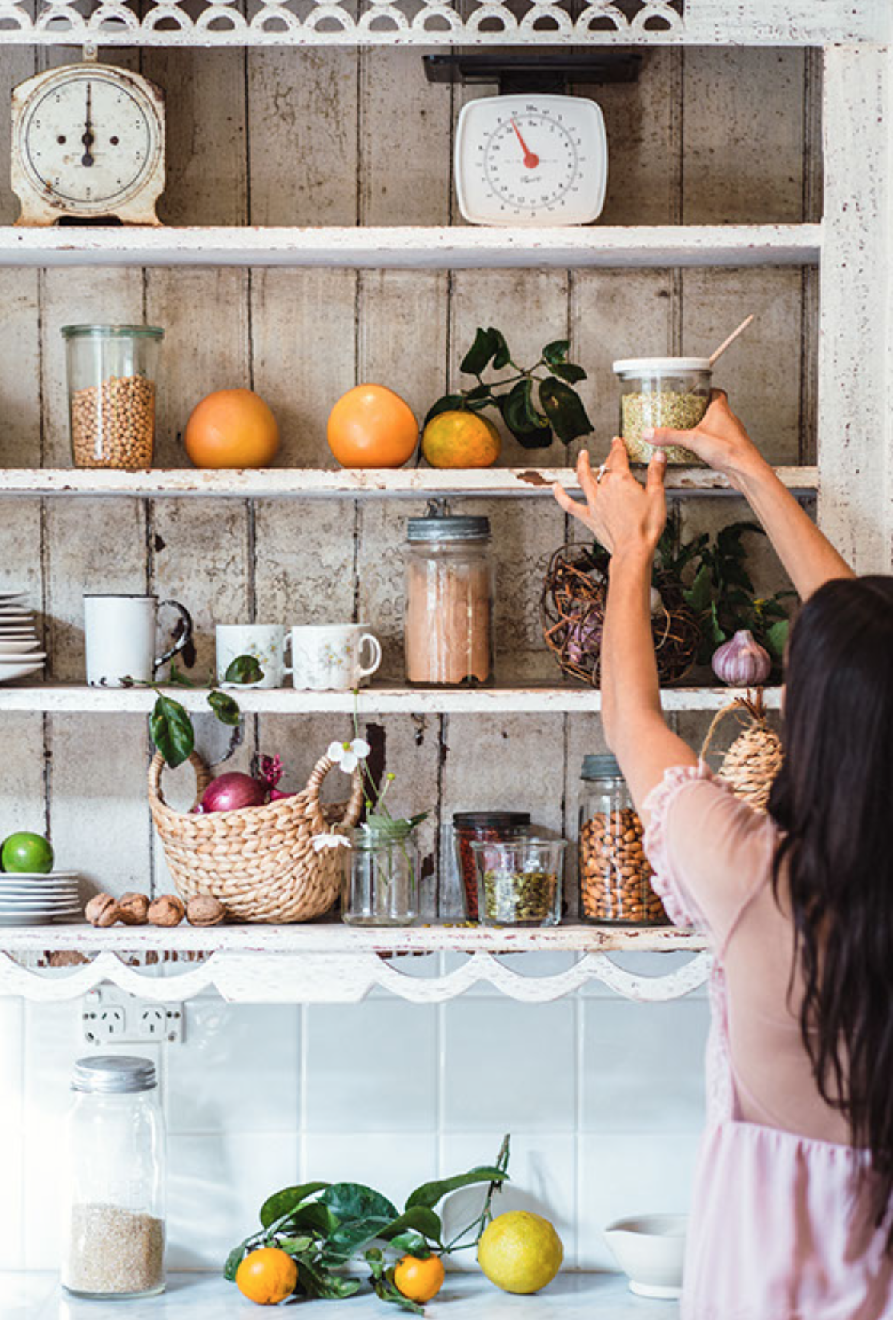
Pantry shelves are perfect for your general dry goods, think of things like rice, flour, sugar and other grains. They need to be in an area away from direct sunlight and away from any potential moisture, this will ensure that your ingredients last the longest amount of time.

Best Long-Lasting Foods to Stock Your Pantry

If you're not solely focusing on methods such as refrigeration or freezing there are some food that last much longer than others. While most grains can last a while there are also foods that fare better than others, let's take a look at some of the best options.

Beef Jerky and Dried Meats

Beef jerky and other dried meats are a great way to stock your pantry. These delicacies are not only delicious, but they last much longer than most foods. Good quality beef jerky can be stored in the pantry or even in the refrigerator for up to two months without losing its flavour or texture. If you're more adventurous you can also store items such as salami or prosciutto for weeks before they expire.

Canned Tuna or Salmon

Canned tuna or salmon also have an extended shelf life and make excellent sources of protein when added to meals or eaten on their own. They are also very versatile and can be used for a variety of dishes such as pasta, salad and sandwiches for lunches or snacks. These will last several months in your pantry quite easily.

Dried Beans and Legumes

For those looking to include more protein in their diets, then dried beans and legumes can last for ages in your pantry. Things like lentils, chickpeas, black beans and other varieties of beans can last up to a year without any deterioration in flavour or texture.

Honey

Honey is a great sweetener that can last forever, if you're looking to keep some honey in bulk it can be a healthy replacement for sugar and even for medicinal purposes since it is antibacterial and antimicrobial. Some even say that honey found in Egypt pyramids was still safe to eat after thousands of years.

Dehydrated Fruits and Vegetables

Just like dried meats and jerky, dehydrated fruits and vegetables can be added to your pantry and last for a very long time. They make an excellent snack when eaten on their own or can be added to things like salads, soups and trail mixes.

Preservation Methods for Food Storage

The art of food preservation has been practised in many cultures over the years, not just for longevity but as a necessity when times got rough. Many foods can be preserved through a variety of methods so it's worth checking out some things you can try depending on what foods you want to store.

Whether it's canning, dehydrating, or pickling, preserving food not only extends its shelf life but also creates new and unique flavours for you to enjoy. Mastering these techniques can be a fun and satisfying way to improve your cooking skills, impress your friends, and enjoy fresh food all year round.

Summary

Improving your food storage and preparation is a great way to ensure that you always have something to eat and creative ingredients at your disposal. Everything from finding non-perishable ingredients and even special preservation techniques can ensure that you have a variety of foods all year round. Hopefully this article has given you the spark you needed to get more out of your pantry. Enjoy!

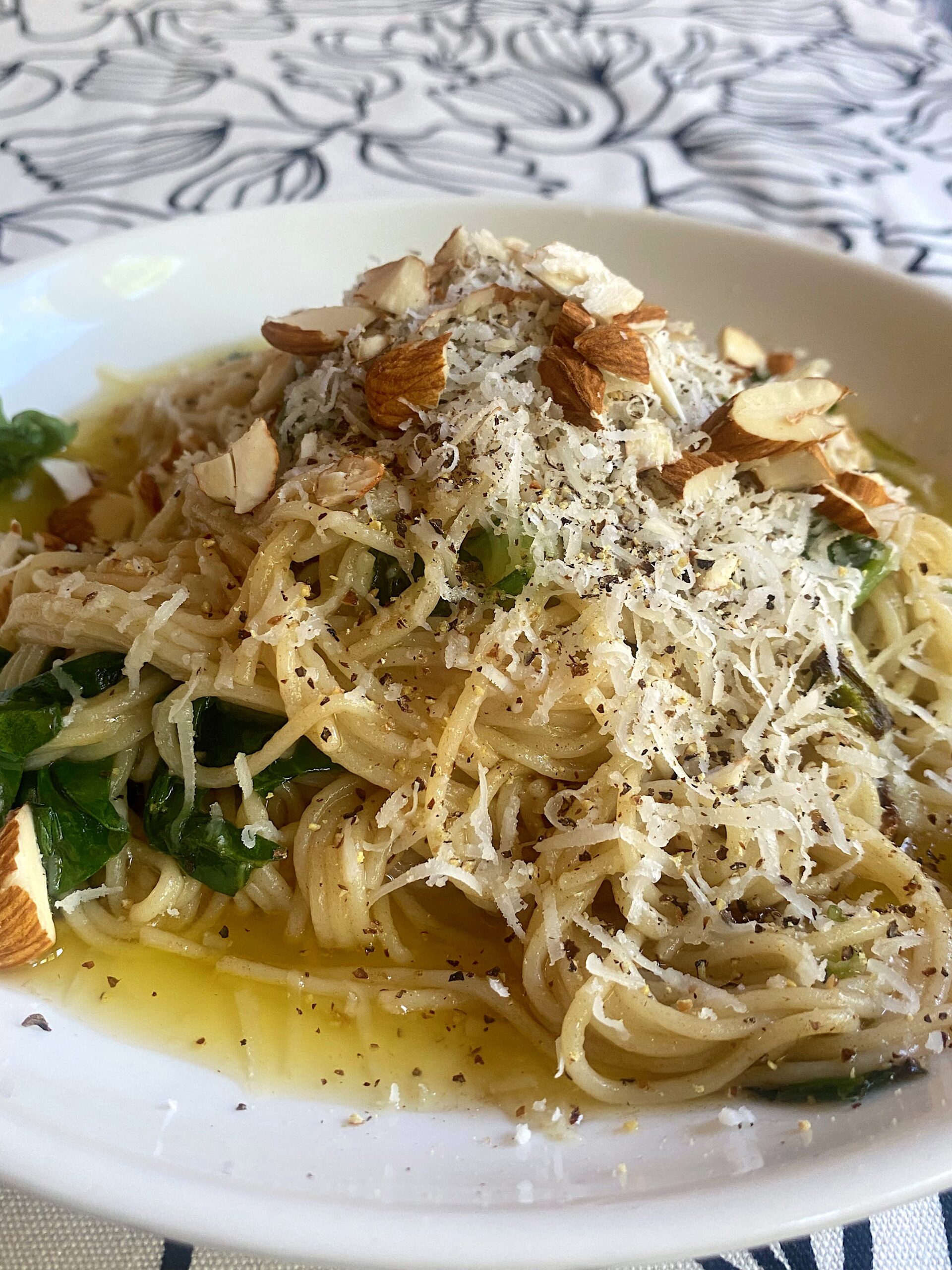
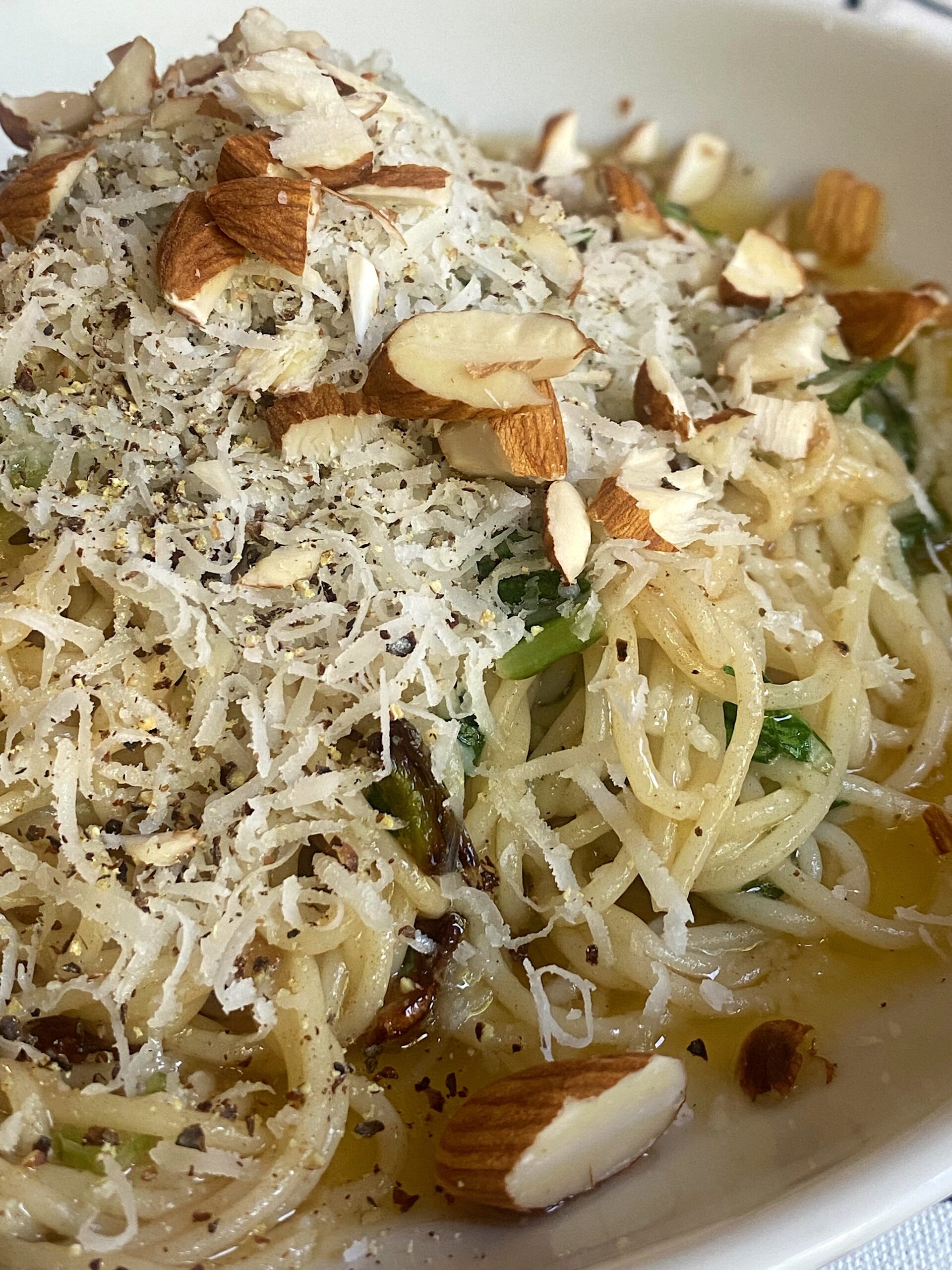
Spaghetti with Olive Oil, Garlic and Roasted Almonds Recipe

Liquid Gold

Picture this: an ancient Greek philosopher wandering around, plucking olives from trees, and pondering the secrets hidden within those little green orbs. Fast forward to the present, and we're still obsessed with olives - particularly the golden nectar they produce: olive oil.

Today, we're going to dive into the glorious world of olive oil. That's right, that golden elixir that has been cherished by civilizations throughout history. Not only does it add flavour and depth to our dishes, but good quality olive oil also comes with a plethora of health benefits. So, grab your spatula and prepare for an adventure as we explore the importance of this liquid gold!

Quality Matters

Let's face it, not all olive oils are created equal. Just like choosing a life partner or your favourite pair of socks, selecting the right olive oil is crucial. Good quality olive oil is like finding a unicorn that makes your taste buds dance with joy. Look for extra virgin olive oil, as it undergoes minimal processing and retains more of the natural flavours and nutrients.

A Heart-Healthy Ally

One of the key reasons for the importance of olive oil lies in its heart-healthy properties. Unlike unhealthy saturated and trans fats, olive oil is predominantly composed of monounsaturated fats, which can help lower bad cholesterol levels while increasing the levels of good cholesterol. Regular consumption of olive oil has been associated with a reduced risk of heart disease, making it an essential ingredient for maintaining cardiovascular health.

The Riches of Antioxidants

Olive oil is rich in antioxidants, particularly vitamin E and phenolic compounds. These antioxidants play a vital role in neutralising free radicals, which are harmful molecules that can damage cells and contribute to various diseases and age related conditions. Including olive oil in your diet can bolster your body's defence against oxidative stress and support overall health.

Anti-Inflammatory Effects

Chronic inflammation has been linked to numerous health issues, including cardiovascular disease and diabetes. The phenolic compounds found in olive oil possess potent anti-inflammatory properties, which can help combat inflammation in the body. Regular consumption of olive oil may contribute to reducing the risk of chronic inflammatory conditions and promoting a healthier, more balanced immune system.

Nutrient Absorption and Digestive Health

Olive oil has a unique ability to enhance the absorption of fat-soluble vitamins, such as vitamins A, D, E, and K, as well as various phytochemicals. Including a drizzle of olive oil on your salads or cooked vegetables can help maximize the nutritional benefits of your meals. The other good news is that the healthy fats in olive oil can aid in digestion and promote a healthy gut, supporting optimal nutrient uptake and overall digestive well-being.

Culinary Versatility

Aside from its health benefits, olive oil's culinary versatility is a testament to its importance in the kitchen. Whether used for sautéing, roasting, dressing, or dipping, olive oil adds depth, flavour, and richness to a wide array of dishes. Its distinctive taste profile, ranging from mild and buttery to robust and peppery, complements both savoury and sweet creations, making it a cherished ingredient in cuisines worldwide.

So, the next time you drizzle that golden goodness over your salad or savour the aroma as it dances in the pan, remember that olive oil is not just a condiment—it's a gift from nature that nourishes both body and soul.

Now, go forth and drizzle, cook, and savour the wonders of good quality olive oil. Your taste buds and health will thank you.

Need a yummy recipe?

It’s time to grab that bottle of olive oil, whip up a simple pasta dish, and let the flavours take you to an Italian odyssey. Let's talk about the simple yet soul-satisfying dish of spaghetti aglio e olio, which basically means olive oil spaghetti. It's the culinary equivalent of a warm hug from Nonna.

With just a few ingredients like garlic, chilli flakes, and a generous pour of good quality olive oil, you can create a dish that dances on your taste buds. Plus, it's a quick and easy option for those busy days when you need a meal faster than your delivery app can say “arrivederci.” This recipe has the added crunch of almonds too!

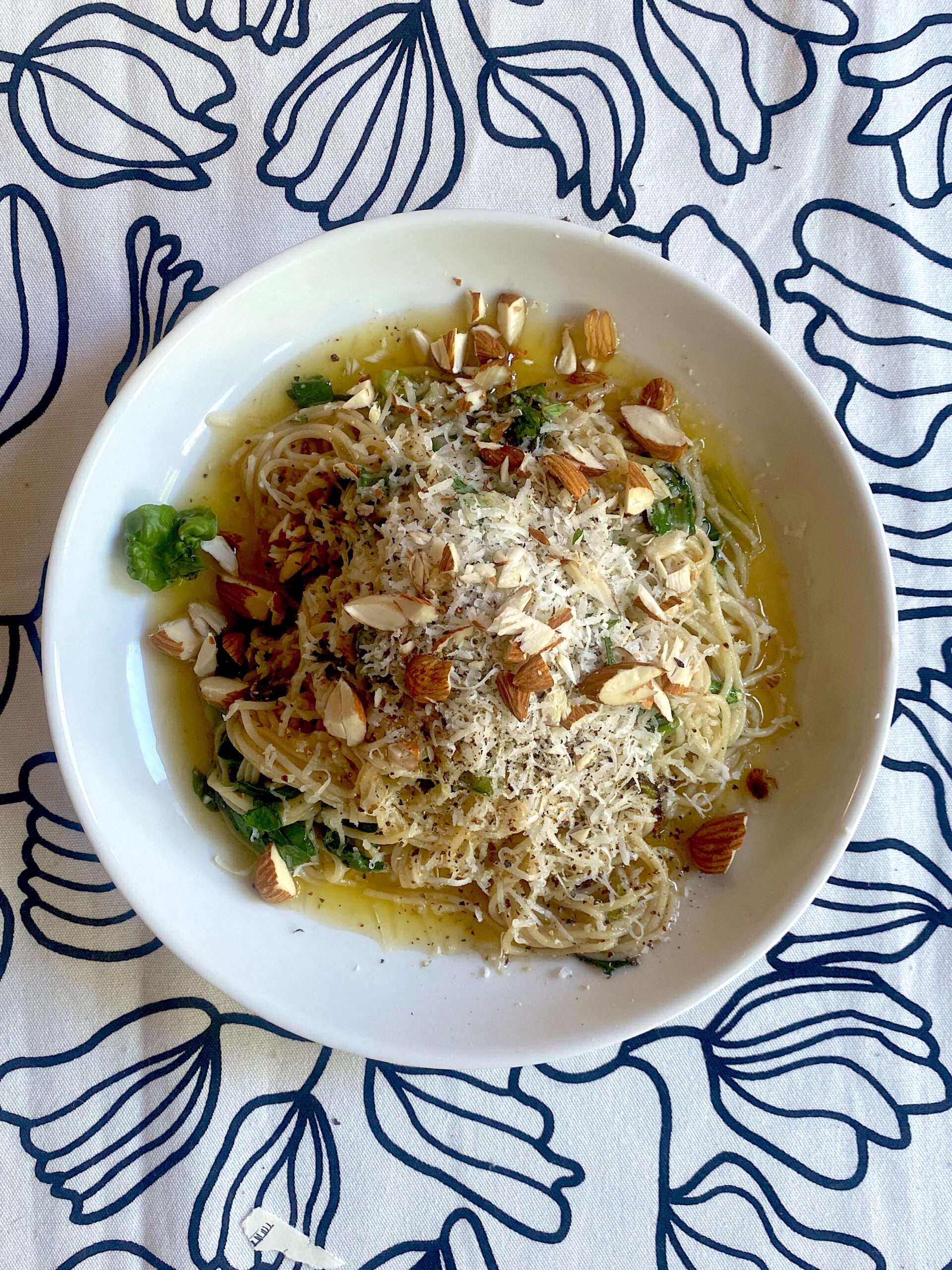
Spaghetti with Olive Oil, Garlic and Roasted Almonds

Ingredients:

  • 225g angel hair spaghetti (or use gluten free spaghetti of choice)
  • 4 tablespoons extra virgin olive oil
  • 4 cloves garlic, minced
  • 1/2 teaspoon chilli flakes
  • Salt, to taste
  • Freshly ground black pepper, to taste
  • 1 bunch chopped fresh parsley or basil
  • 1 cup grated Parmesan cheese (or use nutritional yeast flakes for dairy free)
  • 1/2 cup roughly chopped almonds

Method:

Bring a large pot of salted water to a boil. Add the angel hair spaghetti and cook according to the package instructions until al dente. Drain the cooked spaghetti and set it aside.

While the spaghetti is cooking, heat the olive oil in a large frying pan over medium heat. Add the minced garlic and chilli flakes. Sauté for 1-2 minutes, stirring constantly, until the garlic becomes fragrant and just starts to turn golden. Be careful not to burn the garlic.

Add the cooked and drained spaghetti with the garlic and oil. Toss the spaghetti gently to coat it evenly with the oil and garlic mixture. Season with salt and black pepper to taste. Continue to toss for another minute or two until the spaghetti is well coated and heated through.

Remove the frying pan from the heat and sprinkle the chopped almonds and fresh parsley over the spaghetti. Toss again to distribute the almonds and parsley evenly.

Transfer the angel hair spaghetti to serving plates or a large platter. Generously sprinkle grated Parmesan cheese (or nutritional yeast flakes) on top.

Enjoy your delicious Spaghetti with Olive Oil, Garlic and Roasted Almonds and let me know what you think in the comments section below.

Free supercharged recipes delivered to your inbox!

When you register for our newsletter you'll also receive a FREE gut health recipe ebook.