How To Heal Leaky Gut In 2-Weeks Naturally

In this blog post, I am going to share some tips that helped heal my leaky gut in 2-weeks. They are easy to follow and you can use any store-bought foods to follow along with my guide. I will also be sharing some details on what causes leaky gut and why many Doctors do not recognize Leaky Gut as a medical condition in 2022.

What Is Leaky Gut?

Leaky gut is a phrase that according to Google trends first gained popularity not long ago in January 2013. Today you often hear health bloggers talk about the dangers of Leaky Gut and many supplement manufacturers have jumped on the bandwagon creating supplements that claim to assist in healing leaky gut. Despite all of this, many people still refuse to accept that Leaky Gut is even a real thing and it is not yet an accepted medical condition.

According to reputable sources like Harvard, a Leaky Gut is quite literally a result of your gut leaking. This may happen through cracks & holes in your small intestine that widen to allow toxins to leak through into your blood stream. A more technical description of Leaky Gut condition can be explained through the term intestinal permeability which is when Tight Junctions in the intestinal wall begin to weaken allowing toxins to pass through the weakened cell walls. When healthy, these tight gaps should only allow essential nutrients & water to pass through.

What Causes Leaky Gut?

Studies into what causes Leaky Gut are still somewhat limited but one review from the BMC Gastroenterology journal in 2014 claimed that it could be down to viruses, damage to the intestinal mucosa, or alterations to bacteria in the microbiome.

Other popular online personalities like Dr. Steven Gundry who created Total Restore claim that lectin foods can be a cause of leaky gut by physically damaging the intestines. It's also thought that Butyrate is important to protecting the integrity of the intestinal wall and without enough of it, people could become more prone to leaky gut occurring.

A processed western diet high in carbs & fat may be the cause and studies have shown that at least in animals this type of diet can lead to metabolic endotoxinemia which leads to inflammation. It is however clear that the exact cause of Leaky Gut is not 100% known and more peer-reviewed human studies are needed to be sure.

Symptoms Of Leaky Gut

The symptoms of leaky gut vary from person to person but some of the most common symptoms have been reported in the Leaky Gut Syndrome Subreddit by a user called house829. They started a thread called "I Think I Have Leaky Gut" And mentioned the following symptoms;

Gas

Bloating After Meals

Brain Fog

Skin Rashes

Joint Pain

Some of the Redditors that replied said that those did sound like symptoms of Leaky Gut but that they could also be symptoms of Small Intestinal Bacterial Overgrowth.

Other conditions like IBS, IBD, Psoriasis, and more also share similar symptoms to leaky gut so it's important to consult with a Doctor first.

Some more symptoms of Leaky Gut may include headaches, Diarrhea, UTI's and more. The digestive tract is the largest organ in the body so it when something is not working as it should in the microbiome you often see symptoms show up elsewhere like on the skin.

Studies have confirmed that people with Psoriasis a skin issue largely have imbalances in gut bacteria and mental health issues have also been linked to the health of the gut because of the gut and brain connection. A large portion of the immune system is housed in the gut so to heal a leaky gut it's important to first focus on diet and what you put into your body.

4 Steps to Heal Leaky Gut In 2 Weeks

Since diet seems to play such a major role in the cause of Leaky Gut it is also the best way to heal any damage. It's not possible to heal leaky gut overnight but many people have reported their leaky gut symptoms improving after around 14-days by adding these 5 things into your daily diet. Just remember to contact your doctor first to rule out any other digestive conditions through tests only they can offer. They will also be able to check your full medical history.

1) Probiotic's & Prebiotic's

Probiotics are a type of good bacteria that are essential for the human microbiome and prebiotic fibers are a great source of food for that friendly bacteria. Probiotics can help with Leaky Gut by potentially crowding out bad bacteria, boosting butyrate, supporting T-Junctions, and strengthening the mucosal barrier according to this probiotic leaky gut guide.

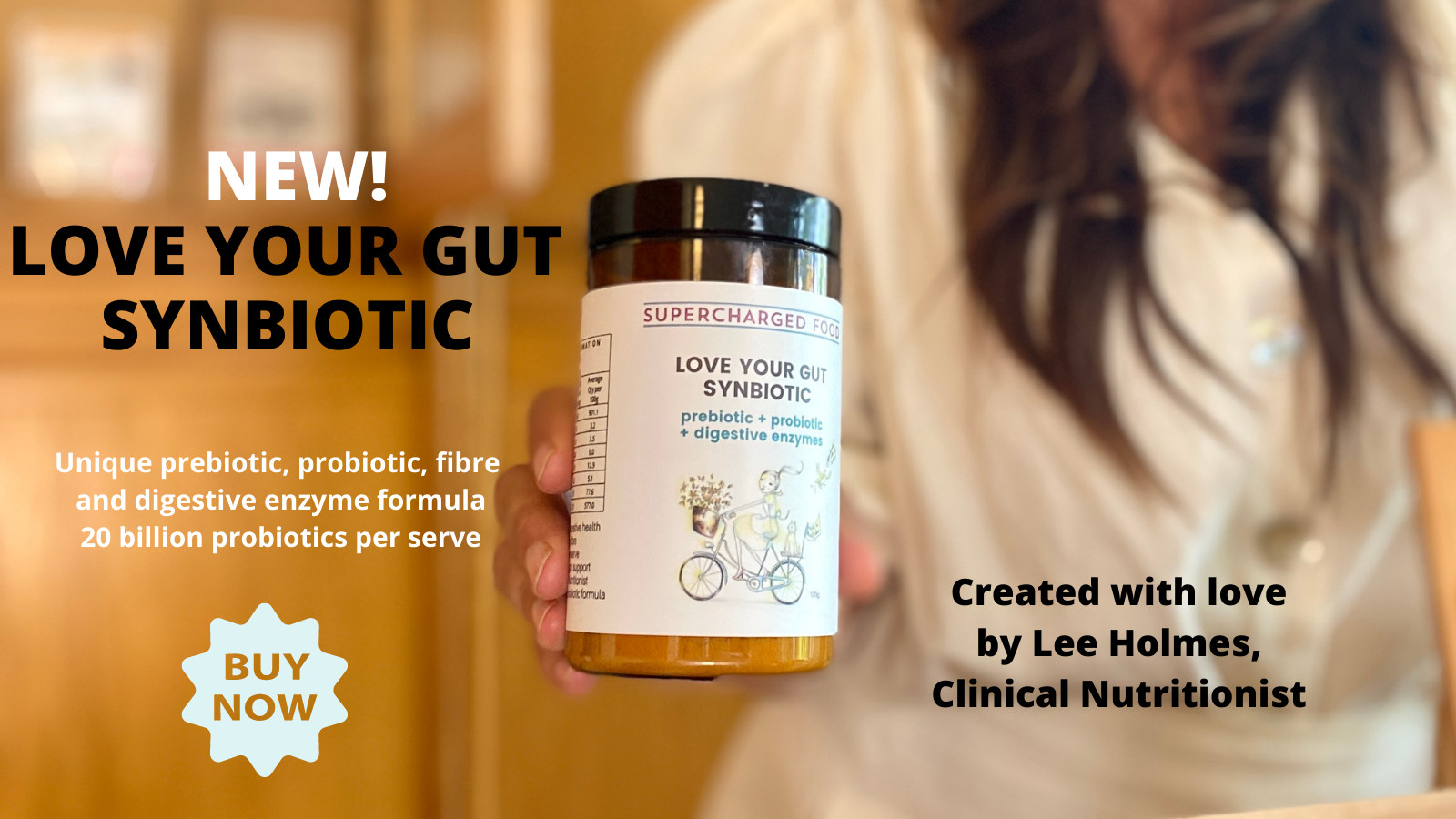
You can get probiotic bacteria from a high-quality supplement like FlowFlora for example or through naturally fermented foods like Kimchi, Kefir, and some yogurts. Add more vegetables like Artichokes, Asparagus, and Dandelion Greens for prebiotic fiber, or take a supplement that has both probiotics and prebiotics. Try our Love Your Gut Synbiotic which has probiotics, prebiotics, digestive enzymes and dietary fibre.

2) Bone Broth & Collagen

Collagen is important because it may be able to enhance intestinal epithelial barrier dysfunction (Leaky Gut) by strengthening the Tight Junctions according to at least one study. This means that collagen may be able to close those gaps in the intestinal lining that allows toxins to leak through into your bloodstream. Bone broth is an excellent source of Collagen and other Collagen sources include marine collagen, bovine powders, and collagen peptides.

3) Detoxing

If you consume a lot of processed sugar, gluten grains, refined oils, dairy, alcohol & processed meats in your daily diet then detoxing for at least a minimum of 2-weeks may help on your journey to healing leaky gut. This detoxification process can also be beneficial for those suffering from acid reflux or LPR symptoms, as these dietary elements can trigger symptoms. In some cases, leaky gut may appear as a lesser-known consequence of celiac disease, by replacing foods containing gluten with chemical and allergen-free alternatives leaky gut symptoms could be noticeably reduced. Studies I shared earlier at Supercharged Food showed that a western low-fibre diet high in saturated fats & sugars could lead to a Leaky Gut. If you are craving ice cream opt for low sugar fruits. Whilst fruits are high in fructose sugar you don't need to cut them out completely. Some fruits like Berries are quite low in sugar, and carbs and are a good food to eat on a keto diet. Try our Love Your Gut powder to gently clean the gut. 

In some cases, leaky gut may appear as a lesser-known consequence of celiac disease, by replacing foods containing gluten with chemical and allergen-free alternatives leaky gut symptoms could be noticeably reduced. This doesn’t have to impact your social life either; more and more restaurants are getting serious about catering to dietary choices – with a reported 17% of Australians avoiding particular foods. 

4) Digestive Enzymes

It's thought that Lectins a protein found in foods like peanuts, raw kidney beans, whole grains, and other raw foods can lead directly to intestinal permeability but more studies on this are needed plus for most people, consuming these foods in moderation and fully cooked won't cause problems. For others though, Lectins may lead to a leaky gut because they may not be producing enough digestive enzymes naturally.

By taking digestive enzymes like protease, you may be able to assist your digestive system in breaking down these large lectin proteins and thus allowing your leaky gut to heal. The good news is that many low lectin foods like pineapple, miso, honey, avocado, and kimchi sauerkraut naturally contain protease digestive enzymes as well as Love Your Gut Synbiotic.

Final Thoughts

Leaky gut symptoms are similar to those of other digestive conditions so it's vital that you always first consult with your doctor to rule out anything else more sinister. This blog post is not medical advice.

Other similar conditions include celiac, Crohn's disease, diabetes, IBS, IBD, PCOS, allergies, yeast overgrowth plus more.

To fix a leaky gut you should throw the kitchen sink at it and do everything you can to allow your intestinal wall to heal and stop leaking.

Not everyone can heal their leaky gut in 2-weeks because it depends on the amount of damage that has already been done. It takes time and for some may take longer.

If you stick with this plan for the full 2-weeks most people will start to notice a difference in their gut health. Diet is the key to healing your leaky gut.

Do You Have Gut Issues after Having Covid-19? I Have Answers + a Coconut Oatmeal

Has a post-COVID belly got you down?

If you’re experiencing lingering digestive issues after having Covid-19 you’re not alone. Post-covid gut issues are something I’ve seen a fortune of in my clinic recently – from bloating, reflux and flatulence to constipation, diarrhoea and leaky gut. So, I’m here to help. 

The gut is the body’s epicentre to health. It’s central to many of the body’s systems, including the immune system, so it isn’t surprising that the aftermath of COVID can come in the form of a range of digestive issues. 

Some of the most common gut symptoms associated with the virus include vomiting, diarrhoea, constipation, a lack of appetite, abdominal pain, flatulence, distorted taste and nausea. If you’re experiencing any of these during or after catching COVID, no, it’s not a coincidence or your body playing tricks on you. In fact, up to a whopping one-third of people with COVID have experienced gastrointestinal symptoms.

Why does COVID impact the Gut? 

While the jury is still out on this one, it’s clear that although COVID is primarily a respiratory illness, more evidence suggests that the GI tract is involved in this disease.  

The Gut Lung Axis

It turns out that the gut and the respiratory tract share an immune system, known as the gut-lung axis.1 This axis is bi-directional, which means if the gut is affected by bacteria, the lungs will be impacted too, and vice versa.2

There are also around 100 times more receptors in the GI tract than respiratory organs, so the gut may be able to house more viruses when it acquires an infection. 

In COVID, when pro-inflammatory cytokines enter the body through the lungs, it causes all-over body inflammation. Once these cytokines reach the gut, the virus can travel through veins that drain blood from the digestive tract, impacting the all-important vagus nerve.

Once this occurs, the disease impacts the gut barrier, altering bacteria within the gut, increasing its permeability and causing more inflammation.3

Increased intestinal permeability, which is also known as leaky gut, allows the bacteria to circulate, exacerbating the illness. When this happens, we can experience a range of digestive discomfort symptoms, like bloating or flatulence.  

To make matters worse, the medications taken for other symptoms of COVID can cause side effects like nausea and diarrhoea.

What Happens to the Microbiome?

The gut is the largest immune organ in the body, and its bacteria influence immune responses. The variety of the gut’s bacteria may influence the severity of COVID and the body’s response to it. Imbalances and inflammation in the microbiome may be implicated in persisting symptoms, known as ‘long COVID’.4

Increased intestinal permeability or leaky gut hinders the body’s ability to digest and absorb nutrients, making it harder to fight off an infection.

Who is Most Likely to Experience Gut Symptoms with COVID? 

Unfortunately, people with pre-existing GI conditions, such as ulcerative colitis or IBS, may experience the disease more seriously and have adverse complications that's why it's so important to look after your gut health both prophylactically and on an ongoing basis.

What’s the Bottom Line?

More research is needed to understand the full extent COVID has on the body, but it is clear that the gut is involved.  

My Top Tips for The COVID and Post-COVID Gut 

A Gut-Friendly Diet 

Focus on a gut-friendly diet filled with omega-3 fatty acids, fruits, vegetables, soups and smoothies. A gut-friendly shopping list should include anti-inflammatory turmeric, gut-healing gelatine, omega-3-rich fish, protein, gut-loving slippery elm and supercharged Love Your Gut Synbiotic Powder.

The Synbiotic Powder helps repair, restore, and rebalance and reignite your gut health from within.

It contains 20 billion bits of love for your bacteria in the shape of a unique and completely natural synbiotic formulation, with plenty of digestive enzymes, dietary fibre and a supercharged blast of antioxidants. You can find out more here. 

Incorporate foods that not only make it easier for your gut to digest but will make you feel lighter and possibly less fatigued.

Some of my favourite gut-loving meals are steamed, sautéed, stewed or roasted vegetables, bone broths, fibre-rich foods and gluten-free grains. There are load of recipes here.

Avoid triggering foods

If you are experiencing lingering health issues, help restore your gut by avoiding or reducing caffeine, alcoholic beverages and refined sugar. Giving your gut a break can allow the gut lining to heal and help reduce inflammation, too. 

Stay hydrated

Staying hydrated is required to help move things through the body. Water can help hydrate the kidneys, improve digestion and reduce fatigue.

Probiotics and Prebiotics

Shift the balance of unhealthy microflora to a microbiome that can generate energy for the body by eating more pre and probiotics.

Probiotics are live microorganisms found in yoghurt, kimchi and sauerkraut that add healthy microbes to the gut. Prebiotics, found in artichokes, asparagus, and chicory root, act as food for the gut’s good bacteria. Prebiotics can improve immune function, reduce inflammation and even help weight loss. Prebiotics and probiotics work harmoniously to help the gut microflora survive and thrive. 

Probiotic Foods:

  • Kefir 
  • Kimchi
  • Miso 
  • Sauerkraut
  • Yoghurt 

Prebiotic Foods:

  • Banana 
  • Cassava
  • Chickpea flour
  • Chicory root 
  • Garlic
  • Jerusalem artichoke
  • Leeks 

Gut Toolkit 

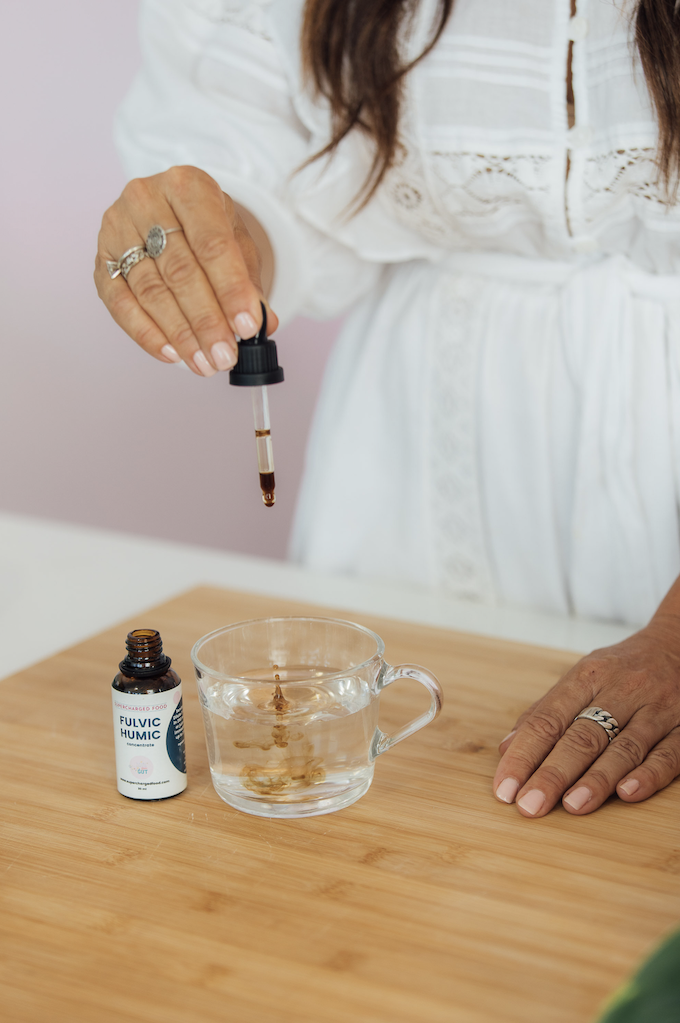
Fulvic Humic Concentrate (FHC) is a great ingredient to include in your gut toolkit. It supports the integrity of the gut lining and strengthens its tight junctions, which replenishes microbiota, nutrients, and enzymes after viruses. It also helps to stimulate energy production, and improves oxygen levels. 5

Fulvic acid has a number of studies for its effects on immune health and inflammation. Test-tube studies have shown that it may limit the release of inflammatory substances like tumor necrosis factor alpha (TNF-alpha). 6, 7


The other ingredient to add to your toolkit is Love Your Gut powder. This powder helps to gently sweep the gut and carefully wipe it clean of bad bacteria. Love Your Gut Powder enables you to absorb nutrients by removing built-up plaque, allowing you to absorb more from your food and improve digestion.

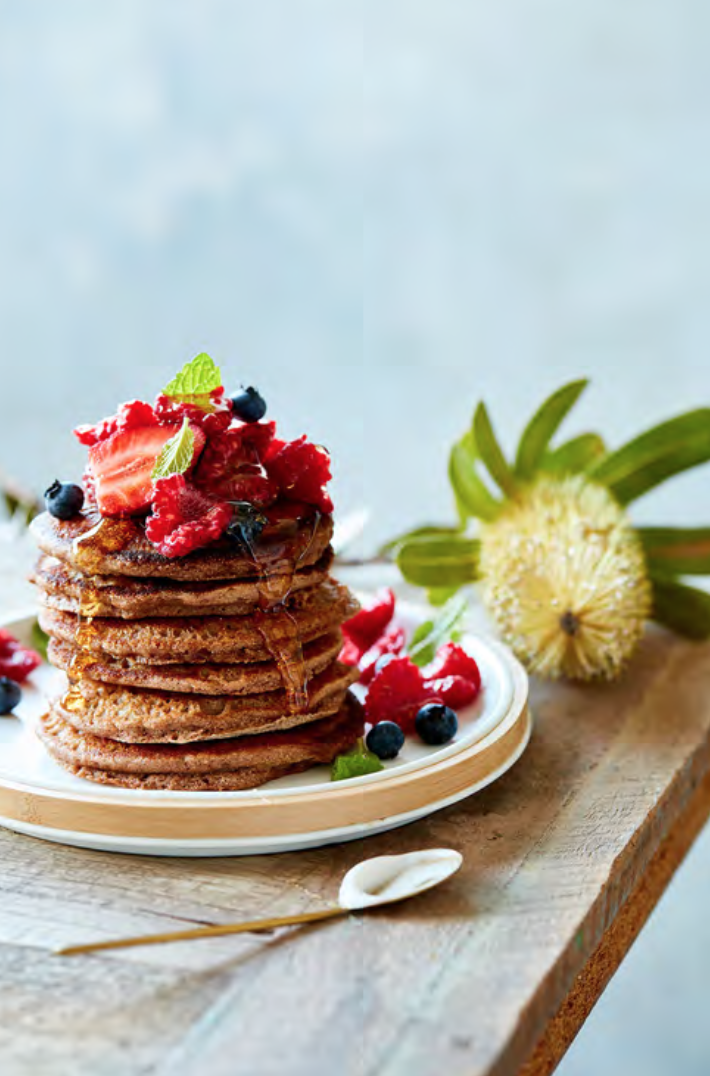
If you're feeling tired and depleted, having a soothing and filling breakfast can help. My Coconut Oatmeal on a cold morning is like a warm hug for your insides. Oats are one of the most magical gut-healthy foods around, boosting beneficial bacteria in the gastrointestinal tract, and relieving issues such as inflammatory bowel disease, irritable bowel syndrome and constipation.

Oats are a good source of resistant starch which is not digested in the stomach or small intestine and reaches the colon intact. This oatmeal is such an easy way to squeeze in some gut-healing benefits first thing in the morning.

COCONUT OATMEAL

Serves 2

Ingredients

  • 50 g (1 3/4 oz/1/2 cup) gluten-free organic rolled (porridge) oats
  • 250 ml (9 fl oz/1 cup) filtered water
  • pinch of Celtic or Himalayan sea salt
  • pinch of ground cinnamon, plus extra for sprinkling
  • 125 ml (4 fl oz/1/2 cup) Coconut Milk
  • 1 handful of mixed fresh berries
  • mint leaves, to garnish

Method

Combine the oats and water in a small saucepan. Bring to a simmer
and cook for 12–15 minutes, or until the oats are tender, stirring regularly.

Stir in the salt, cinnamon. Mix the coconut milk through until creamy and smooth.

Serve topped with the berries and mint, and an extra sprinkling of cinnamon.

I'd love to know: have you experienced any digestive discomfort with COVID?

Let me know in the comments below.

Keep well!

Lee x  

 References

1 https://www.frontiersin.org/articles/10.3389/fimmu.2021.765965/full#B26

2 https://www.frontiersin.org/articles/10.3389/fimmu.2021.765965/full#B31

3 https://pubmed.ncbi.nlm.nih.gov/34177935/

4 https://www.bmj.com/company/newsroom/make-up-of-gut-microbiome-may-influence-covid-19-severity-and-immune-response/

5 https://www.ncbi.nlm.nih.gov/pmc/articles/PMC2876922/

https://pubmed.ncbi.nlm.nih.gov/25888188/

7 https://pubmed.ncbi.nlm.nih.gov/19131228/


7 Newest Healthy Food Findings From Scientists

A growing body of evidence in clinical studies shows how different foods affect human health. Based on the food we eat we can keep a healthy body or trigger health issues leading to obesity, heart problems, and accelerated aging.

The understanding of a healthy diet is constantly changing. Whereas, scientists suggest a diet enriched with nutrients, vitamins, and other dietary components to prevent the development of health declines over time.

These are the latest 7 healthy food findings of scientists which define a new pattern of proper nutrition.

Bananas: These are well-known shielded fruits that are present in shops all year round, and carry numerous health benefits besides boosting your mood. These benefits include the prevention of type 2 diabetes and kidney stones. They also provide quick energy, promote digestion, and increase muscle stability and bone strength while aging.

Depending on the ripeness, not only the taste but also the healthy effects of bananas change. Research suggests that green bananas, though hard to peel and chew due to starch, have a low glycaemic index (30) compared to ripe bananas having 58. This feature makes green bananas a healthy fruit for treating or preventing diabetes. Green bananas are also good for promoting the digestion of carbs and vitamin absorption. Enjoy my Green Banana Pancakes

Yellow bananas in their turn are sweet and easy to peel. The starch turns into sugar making them a good source of energy. On the other hand, yellow bananas are good for eye health and may help prevent cancer development.

Brown bananas can be used as a healthy sweetener instead of sugar. These types of overripe bananas contain vitamin B6, folate, potassium, and a trace amount of vitamin C. Also, both yellow and brown bananas are good bioavailable antioxidants.

Mangoes: These fruits fit all dieting patterns and bring various health effects. Mangoes are shown to contain generous amounts of vitamin C and provide you with the Daily Value (DV) of necessary vitamins and minerals.

A recent study with overweight and obese people suggests that the supplies of nutrients in mango play the role of anti-inflammatory agents and provide the body with large amounts of antioxidants.

Mangoes are also rich in fibre and potassium, vitamins A, B12, C, and folate. The latter is necessary to lead a healthy pregnancy. During the study, consuming low-fat cookies as snacks increased body weight and insulin among control group participants. Whereas, people snacking on mangos demonstrated reduced cholesterol intake, low inflammation levels, as well as, better glucose control.

Cruciferous vegetables: Broccoli, cabbage, Brussels sprouts, and cauliflower are the best-known vegetables from the cruciferous family. These vegetables contain vitamin K and folate, dark cruciferous vegetables are also rich in vitamins C and A. The health properties of these vegetables protect your DNA from damage and act as antioxidants. To understand your DNA find DNA test kits.

Studies suggest that cruciferous vegetables may lower the risk of developing different types of cancers including breast cancer, colon cancer, pancreatic, bladder, lung, and prostate cancers.

According to recent scientific findings, broccoli and cabbage are also considered NMN foods because they contain a generous amount of this health-supportive molecule. NMN (nicotinamide mononucleotide) is a molecule that is generated in all living forms and can be obtained through food or supplements. It is also gaining popularity due to its anti-aging properties and numerous positive effects on neurodegenerative disorders.

Coffee (In moderation): If you start your day with coffee and sip it during the day to keep agile, you may also get to know its health benefits. Despite controversial opinions about the restorative effects of this drink, the moderate consumption of coffee is demonstrated to promote cardiovascular health and reduce the risk of type 2 diabetes, oxidative stress, and inflammation.

A couple of cups of high-quality dark coffee, like the one from Twisted Goat Roasters, without added sugar or other ingredients, has been shown to significantly lowers the risk of developing age-related neurodegenerative disorders such as Alzheimer's and Parkinson’s disease.

For some coffee enthusiasts, the acidity present in traditional coffee blends can cause digestive discomfort or exacerbate existing gastrointestinal issues. Fortunately, low-acid coffee offers a delicious alternative that allows you to enjoy your favorite beverage without the unwanted side effects.

Its reduced acidity content helps preserve the natural antioxidants found in coffee beans, which can help combat free radicals and reduce inflammation in the body. Moreover, low-acid coffee has been shown to reduce the risk of enamel erosion on teeth due to its less corrosive nature. Consider giving low-acid coffee a try - it may just become your new go-to morning pick-me-up!

Seeds and spices: The antioxidant properties of seeds and spices are long known.
Cumin, turmeric, black paper, curry, coriander, and mustard add not only color and flavor to your meal but also make it healthy fighting chronic diseases and inflammatory conditions.

Interestingly, scientists showed the healthful effects of spices on respiratory disorders, types of cancers, and heart diseases. A handful of sunflower and pumpkin seeds, in their turn, provide RDI (recommended daily intake) of nutrients for maintaining healthy skin, nourished hair, and muscles.

Fermented food: For many years people used fermentation as a means to better and longer preserve food. This is a process of yeast and bacteria breaking down the sugar in products. Hence, turning them into healthy foods, that rescue bone health, muscle endurance, better digestion, and even assist in weight loss.

Kefir, Greek yogurt, kombucha, sauerkraut, famous Japanese miso, and natto made from soybeans, and kimchi are types of fermented foods scientifically proven to bring numerous health effects. As a healthy addition to your balanced diet, fermented foods rich in probiotics may improve your digestion, increase immunity and play as strong antioxidants.

Mushrooms: Mushrooms are fungi that have been eaten alone or added to numerous meals for decades. They are known to benefit your health in many different ways without adding fats, sodium, or undesired calories. Due to their chewy and meaty texture, contained nutrients, mushrooms are also a good alternative to animal meat.

Studies found that eating 18 grams (two medium mushrooms) a day may reduce the risk of cancer development by slowing down cellular damage. Also, being low in cholesterol, mushrooms help you keep a balanced BMI (body mass index) and reduce the risk of obesity. Another research with participants eating golden, oyster, shiitake, and white button mushrooms demonstrated a low risk of cognitive decline.

Besides containing Selenium which helps your body make antioxidants, vitamin B6 which protects from DNA damage, and vitamin D reducing inflammation, Crimini mushrooms are known to contain enough amounts of NMN to boost your health and longer lifespan.

Consider boosting your well-being by adding these types of food to your balanced diet and healthy lifestyle.

Free supercharged recipes delivered to your inbox!

When you register for our newsletter you'll also receive a FREE gut health recipe ebook.